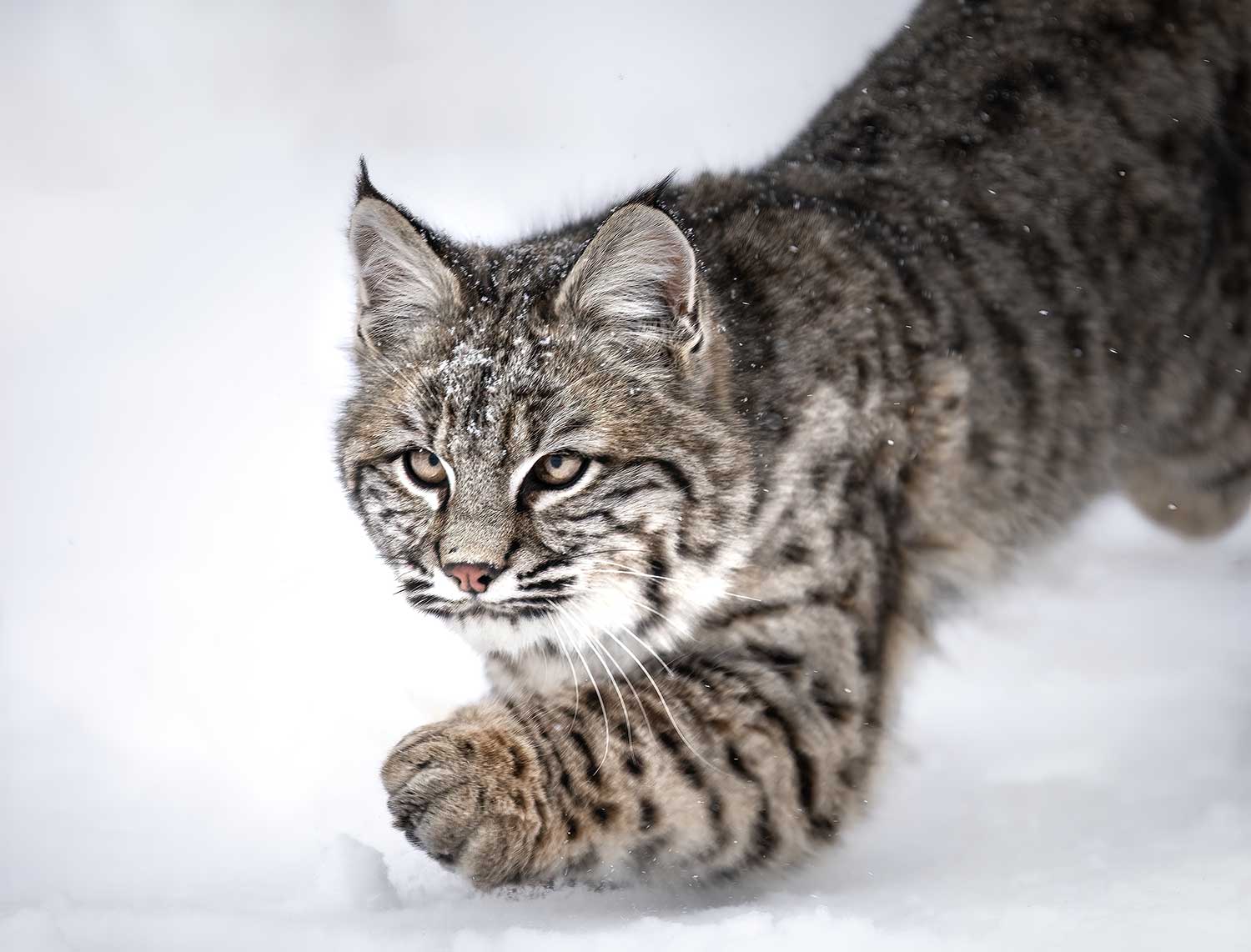
A juvenile bobcat springs through the snow in Yellowstone National Park. OM System OM-1, OM SYSTEM M. Zuiko 150-400mm f/4.5 TC 1.25 IS PRO at 150mm. Exposure: 1/1000 sec., f/5.6, ISO 200. For me, wildlife photography has always been about more than just capturing images of animals. The magic lives in feeling like an animal… Poursuivre la lecture How to Take Better Wildlife Photos by Thinking Like an Animal
Auteur/autrice : Margaux Leclercq
What the Landscape Taught Me
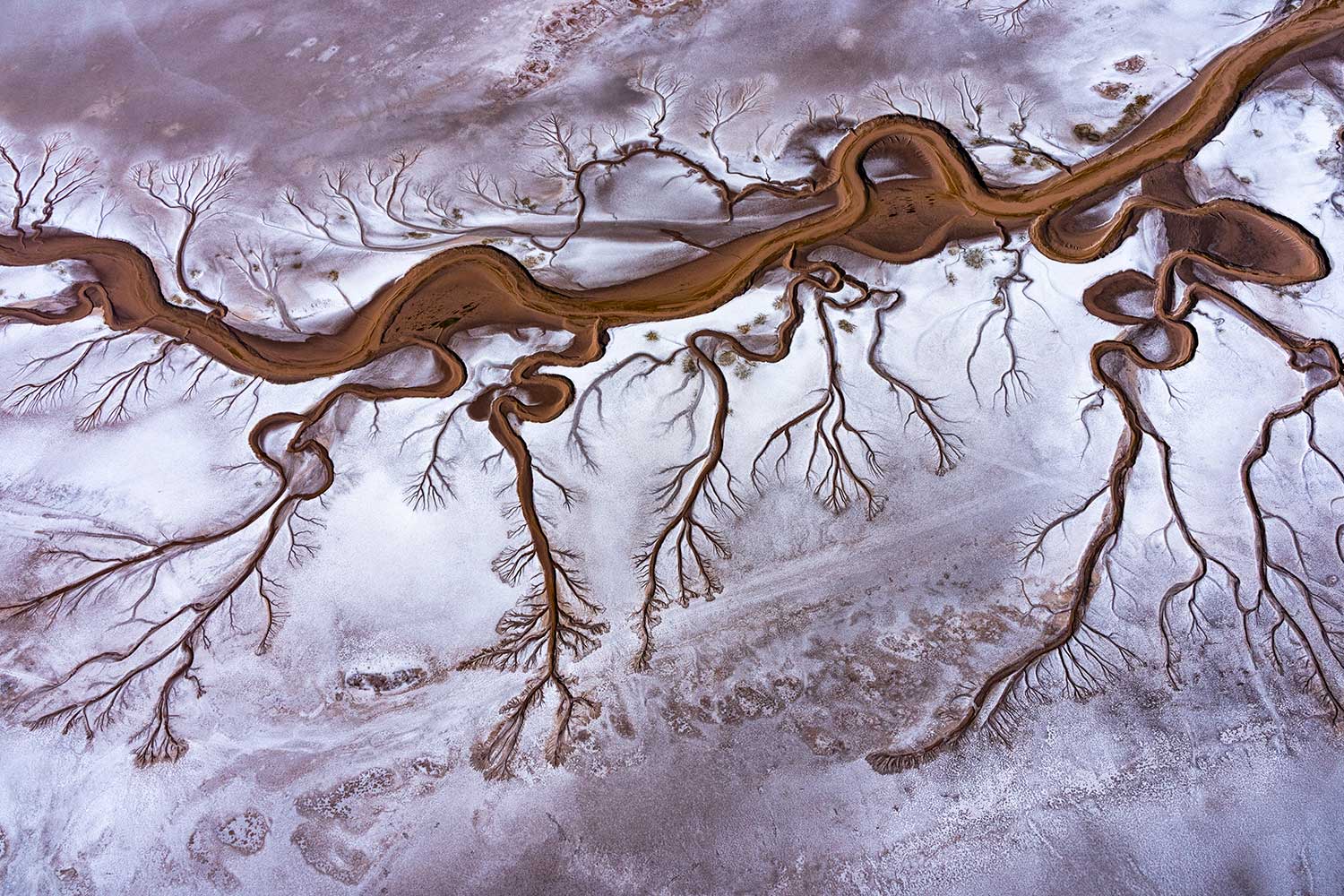
Aerial patterns of the Colorado River’s dry delta, Baja Mexico. Sony A1, Sony FE 24-105mm f/4 G OSS. Exposure: 1/400 sec., f/20, ISO 25. Photography has taken me to some of the world’s wildest places — from hanging inside Himalayan glaciers to flying low over the Colorado River Delta in Mexico. Along the way, my… Poursuivre la lecture What the Landscape Taught Me
Evoto Desktop v7.1.0 Targets High-Volume Portrait Workflow on Windows and macOS
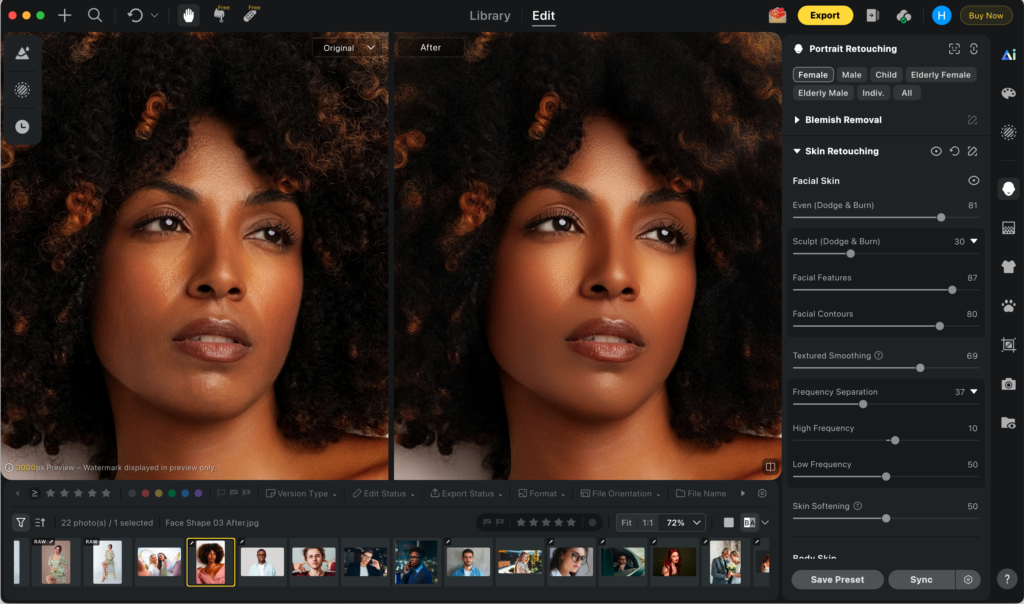
Evoto has published an updated media brief for Evoto Desktop, describing the software as the core post-production hub in its broader all-in-one imaging lineup. The release focuses on production tasks that typically consume the most studio time: ingest, culling, retouching consistency, and delivery preparation. Key Takeaways Evoto Desktop is an AI-powered photo editor for Windows… Poursuivre la lecture Evoto Desktop v7.1.0 Targets High-Volume Portrait Workflow on Windows and macOS
Sony Launches RX10 V AI Superzoom Camera
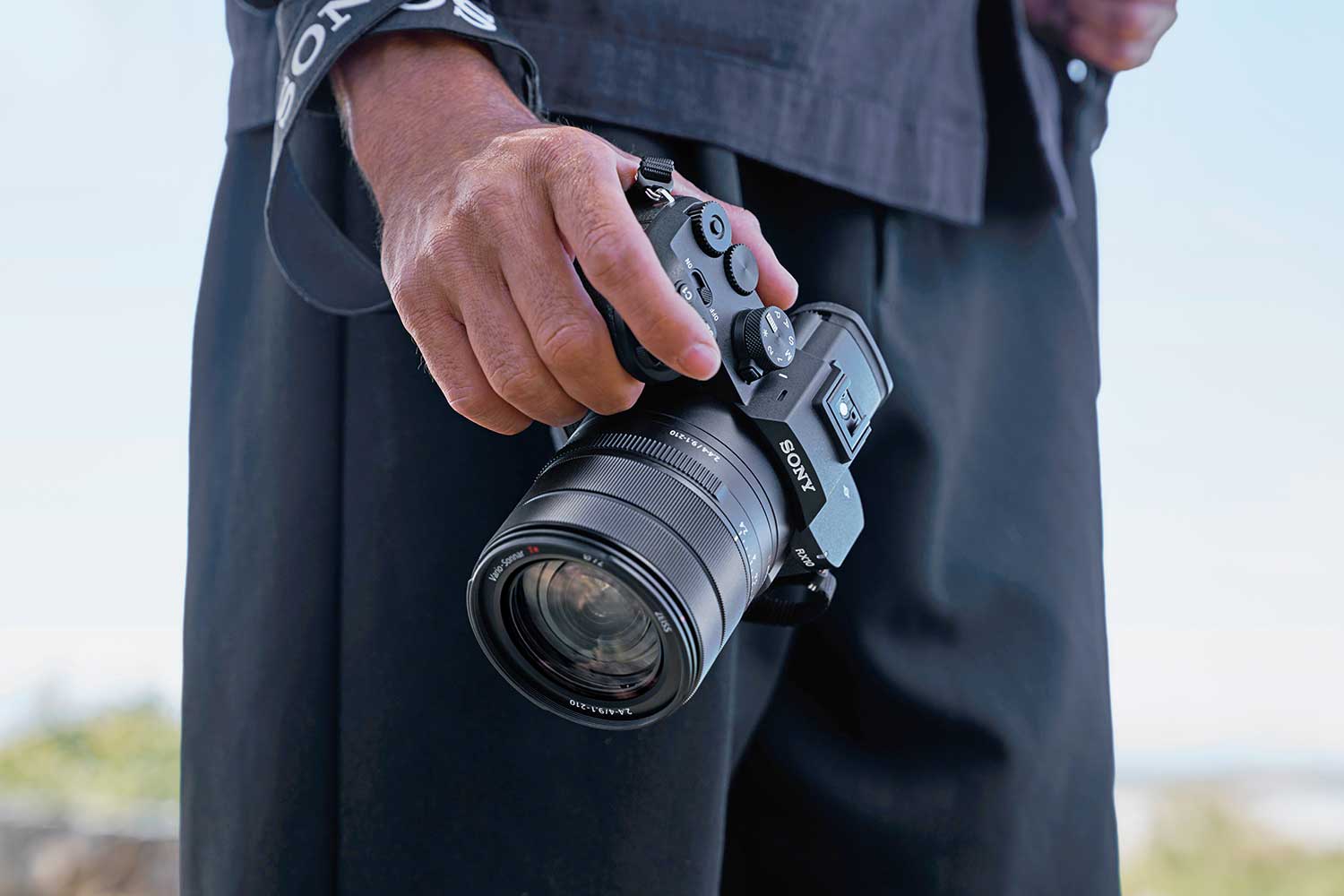
Sony has announced the RX10 V, the latest model in its long-running RX10 series of all-in-one bridge cameras. Featuring a built-in 24-600mm equivalent ZEISS Vario-Sonnar T* lens, AI-powered subject recognition, and burst shooting up to 30 frames per second, the new camera is designed for photographers who want extensive zoom range without carrying multiple lenses.… Poursuivre la lecture Sony Launches RX10 V AI Superzoom Camera
Nature Photography and AI: Where Should We Draw the Line?
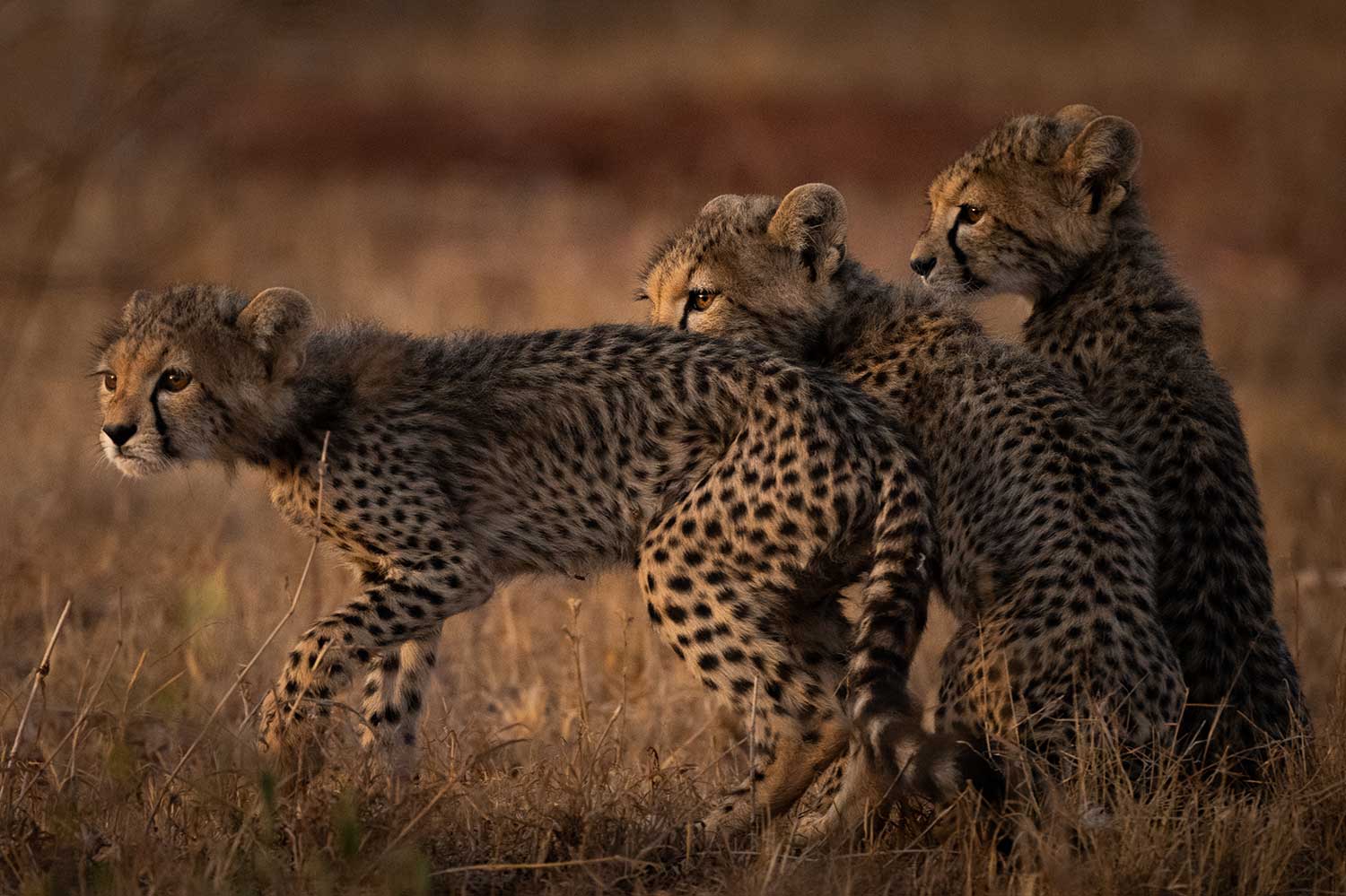
Nikon Z9, NIKKOR Z 800mm f/6.3 VR S. Exposure: 1/1000 sec., f/6.3, ISO 3200. Recently, while judging the nature category of an international photography competition, I saw many images that just didn’t feel right. They were technically strong, but something was missing. It felt like nature had been edited out. The wildlife didn’t seem to… Poursuivre la lecture Nature Photography and AI: Where Should We Draw the Line?
11-Year-Old Wildlife Photographer Captures a Special Fox Family Moment
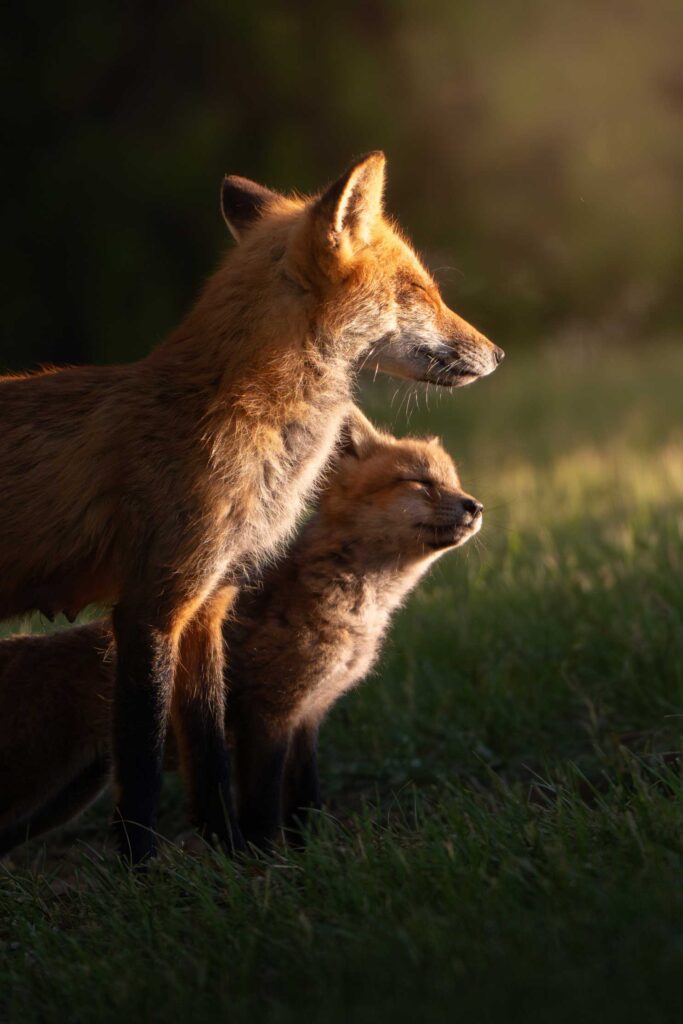
All photos by Tyler DeVane Sometimes the most memorable wildlife photographs come from being in the right place at the right time — and being ready when the moment happens. That was the case for 11-year-old wildlife photographer Tyler DeVane of New Jersey, who recently shared a series of beautiful fox images with Outdoor Photographer.… Poursuivre la lecture 11-Year-Old Wildlife Photographer Captures a Special Fox Family Moment
How to Photograph the Northern Lights Over Iceland’s Black Church
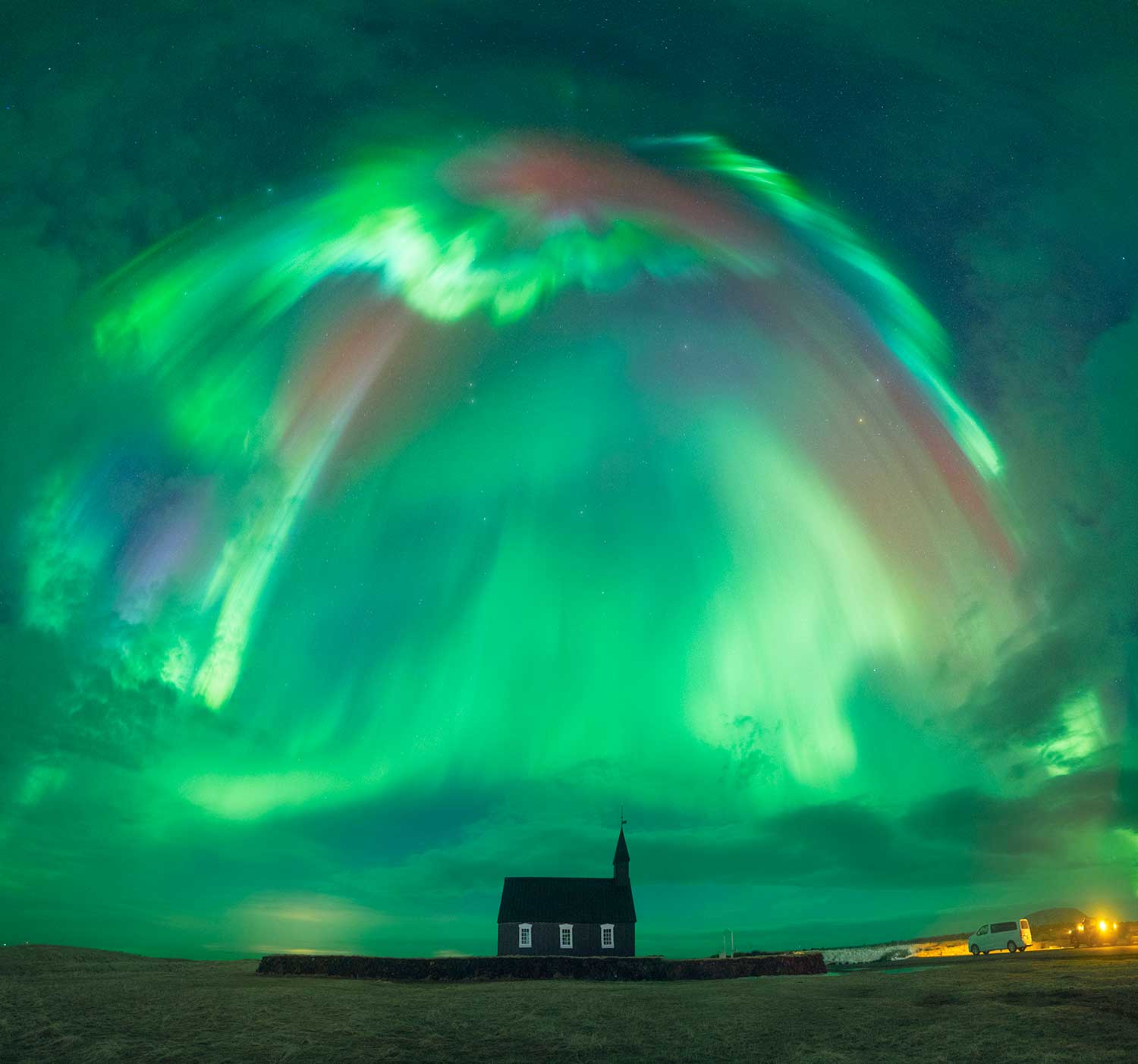
Sony A1, Sony FE 14mm f/1.8 GM. Exposure: 2 sec., f/1.8, ISO 6400. Few photography subjects are as mesmerizing — or as challenging — as the aurora borealis. During a late-winter trip to Iceland, photographer Navaneeth Unnikrishnan found himself in the right place at exactly the right time when an explosive northern lights display erupted… Poursuivre la lecture How to Photograph the Northern Lights Over Iceland’s Black Church
Handheld Landscape Photography Tips
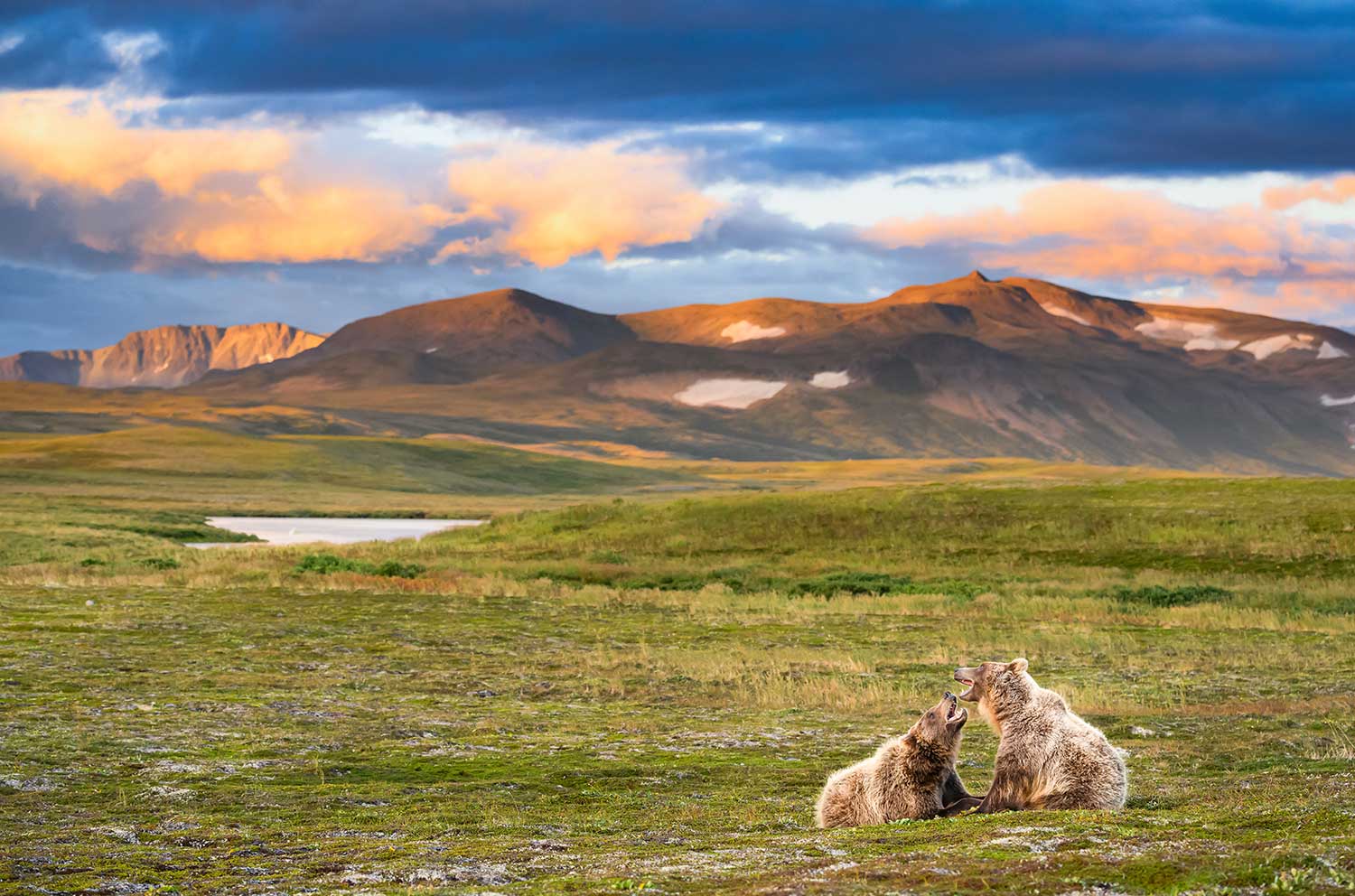
Nikon Z9, NIKKOR Z 100-400mm f/4.5-5.6 VR S at 100mm, handheld. Exposure: Three shots bracketed: 1/4000 sec., 1/1000 sec., 1/250 sec., f/5.6, ISO 3200. For decades, tripods were considered essential gear for landscape photography. But thanks to major advances in mirrorless cameras, in-body image stabilization and high ISO performance, many photographers are rethinking when —… Poursuivre la lecture Handheld Landscape Photography Tips
How to Photograph Delicate Arch in Arches National Park
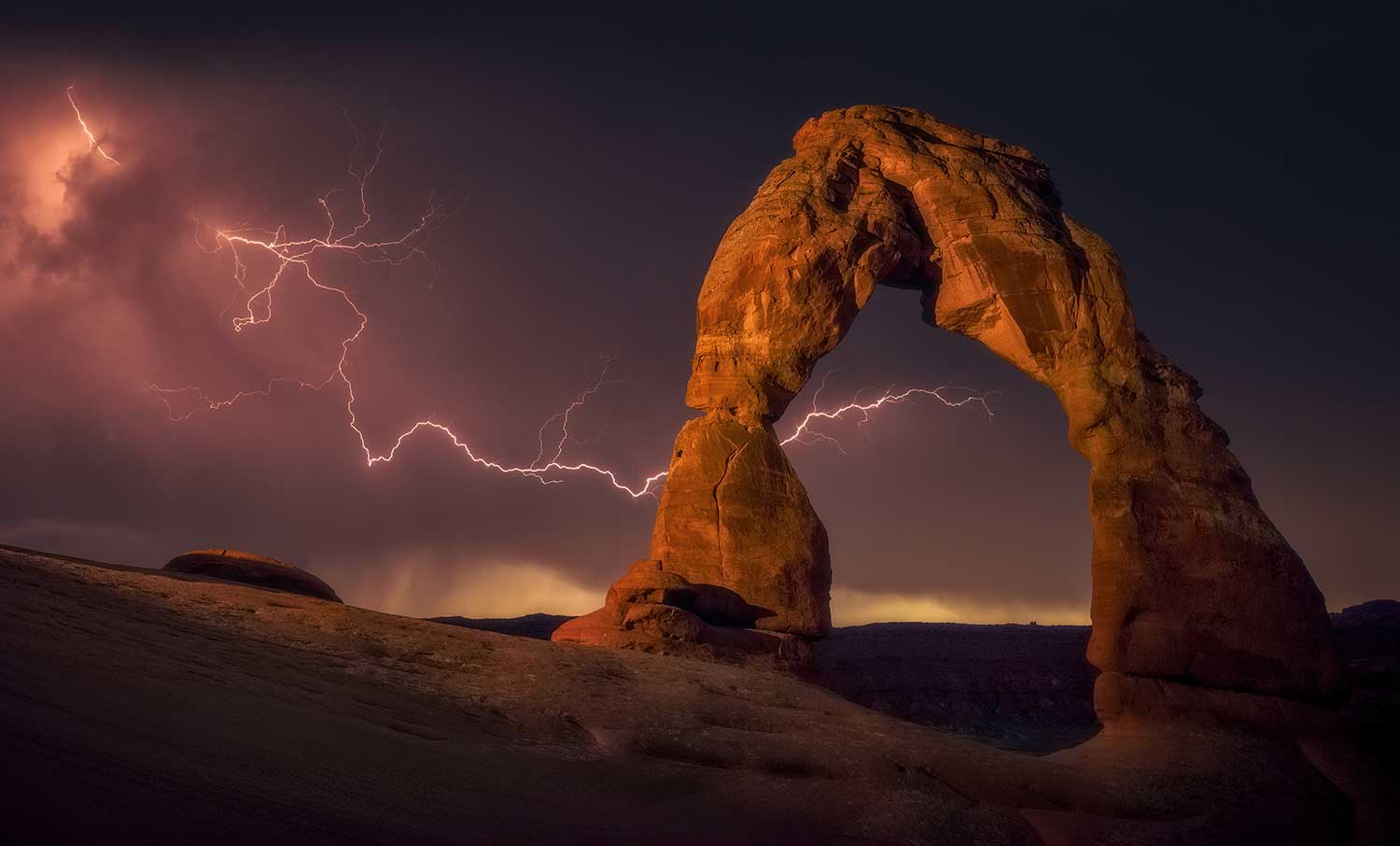
Shot with a Nikon D810, Sigma 20mm f/1.4 DG HSM Art lens. Exposure: 15 sec., f/2, ISO 6400 There are few landscape photography locations in the American Southwest more recognizable than Delicate Arch in Arches National Park. Towering above a natural sandstone bowl just outside Moab, Utah, the freestanding arch has become a bucket-list destination… Poursuivre la lecture How to Photograph Delicate Arch in Arches National Park
5 National Parks For Summer
Summer brings warm weather, long days and family vacations—elements that add up to make it the busiest time of year in the national parks. That makes some folks shy away, but savvy photographers know plenty of opportunities still abound for making beautiful images in the most amazing of America’s wild places. To that end, we asked… Poursuivre la lecture 5 National Parks For Summer