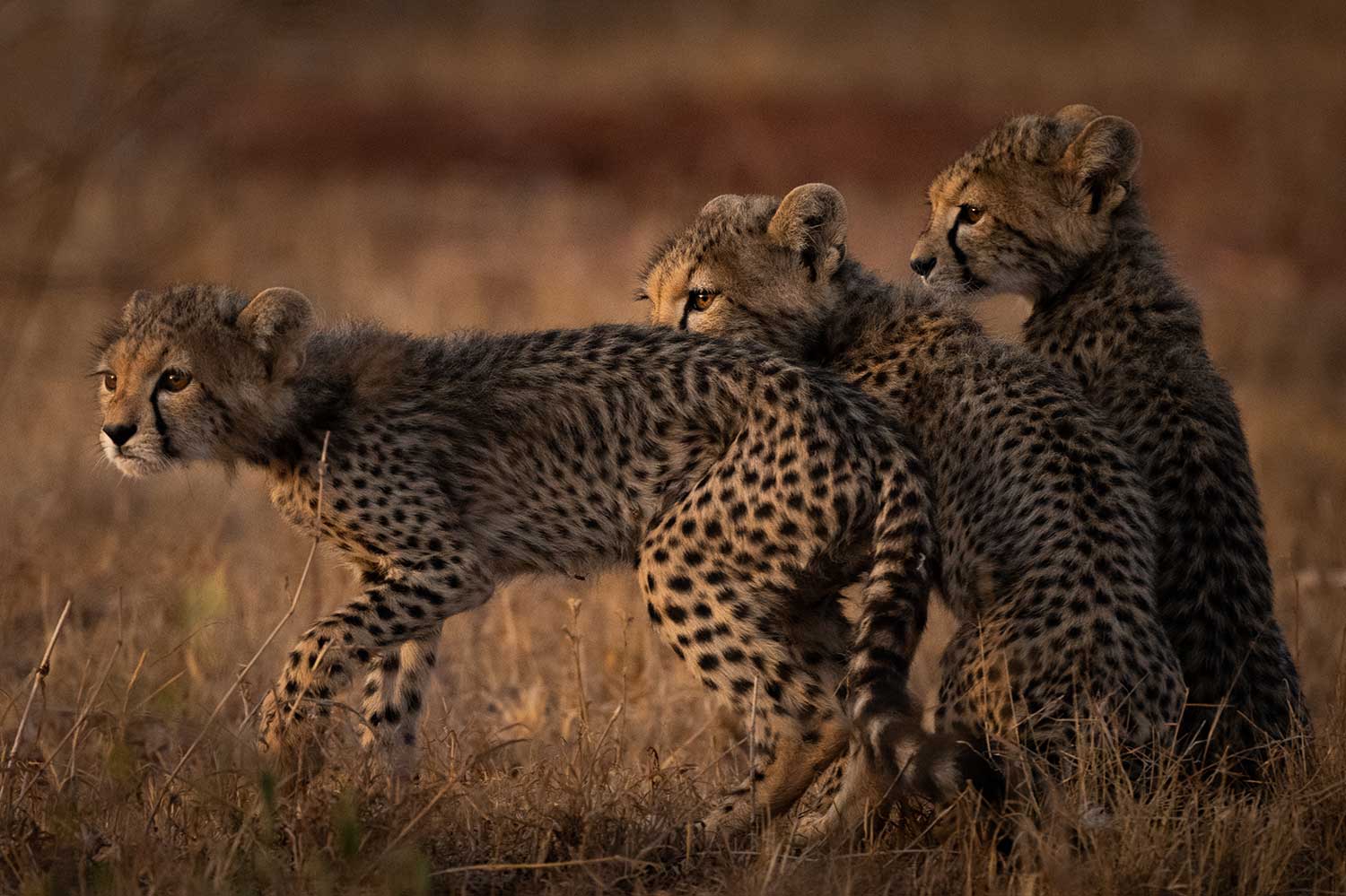
Nikon Z9, NIKKOR Z 800mm f/6.3 VR S. Exposure: 1/1000 sec., f/6.3, ISO 3200.
Recently, while judging the nature category of an international photography competition, I saw many images that just didn’t feel right. They were technically strong, but something was missing. It felt like nature had been edited out. The wildlife didn’t seem to belong in the scene anymore.
In a world growing more disconnected from the wild, how can we, as photographers, help people connect with nature when even the animals no longer look like they belong in the photograph?
At a recent conference, someone asked my opinion about using background blur in post-processing to soften distracting elements. My answer was immediate: it scares me. Not because it’s inherently wrong, but because of what it can replace. Creating a compelling image in camera takes time, patience, planning and, most importantly, a connection with your subject.
See how this story appears in the magazine: Outdoor Photographer Vol. 1 (Digital Edition).
Why Time in the Field Matters
I have spent years photographing pikas in the Colorado Rockies. I return to the same rock piles season after season, year after year. I know the individuals. I know who steals flowers from the one-eyed elder pika when he turns his back. I know when the first light touches their alpine homes. I know the angles that reduce distractions and highlight their character during flower runs.
I have watched their personalities emerge and seen their resilience in harsh terrain. Through that time, I fell in love with a tiny flower-carrying mammal. That investment matters. It matters to my storytelling, my photography and to me personally.
One reason photographers use post-production blur is to mimic the effect of a wide-aperture lens. These lenses create beautiful background separation that helps isolate a subject from distracting surroundings. But they are expensive, and I understand that not everyone — especially photographers early in their careers — has access to that kind of equipment.
When someone is passionate about wildlife photography but can’t yet invest in high-end gear, or when moving closer to an animal would disturb it, I understand why tools like background blur become tempting. I would never judge someone for using available tools, especially when they are used thoughtfully and transparently.
AI in Photography: Helpful Tool or Slippery Slope?
AI has pushed those possibilities even further.
I’ll admit that the first time I saw an AI-generated image of a bridal party running from a T. rex, I laughed out loud. It was creative and fun. That kind of playful AI absolutely has a place.
The problem arises when AI-generated content is mistaken for reality. When context is missing, audiences can be misled. In nature photography, that can be dangerous.
At the same time, AI is already deeply integrated into photography workflows, often without us realizing it. Modern cameras use AI to recognize animals and track their movements. I’m genuinely excited about how much easier autofocus has become — even for something as small as a bee in flight.
AI-powered noise reduction has also allowed me to create images I never thought possible.
But I still find myself asking the same question: Where is the line?
When does AI stop helping us photograph nature and start replacing nature altogether? When do we unintentionally widen the gap between people and wildlife?
When Editing Becomes Replacement
Before focusing on wildlife photography, I worked in music, sports and wedding photography. During my years photographing weddings, removing a blemish from a bride’s face or digitally fixing a wardrobe issue was simply part of the job.
When I transitioned into wildlife photography, I initially carried some of those habits with me.
Later, as I moved toward conservation photojournalism, my approach changed. Today, as a guide and educator, I try to limit my edits to adjustments that could have been accomplished in a traditional darkroom using a single image. The only exception is removing backscatter from underwater photographs, and I’m transparent about doing so.
The Skills Behind the Image Still Matter
I spent years running both black-and-white and color darkrooms. I learned how to dodge and burn, enhance shadows and even upscale a 35mm print by rephotographing it with a medium-format camera. At one point, I even used nose grease to soften a scratch on a print.
Today, AI tools can accomplish similar tasks in seconds. The technology is remarkable.
But again, where is the line?
I once worked with a student on techniques for bringing out detail in a dramatic sky using exposure techniques and filters. Her response was simple: “Why does it matter when I can just replace the sky?”
I hear that sentiment more and more, and it feels like a gut punch. It makes me wonder whether the patience, observation and skill behind an image still matter.
When photographers spend less time outdoors, something is lost. I have lived in places with dramatically different skies, sunset colors and cloud patterns, and I often see edits that add skies that simply do not belong. To me, it feels as jarring as hearing the wrong bird call dubbed over an eagle in a movie.
Those details may seem small, but they break the illusion and weaken the connection we are trying to build between people and nature.
Why Authentic Nature Photography Still Matters
As an associate fellow of the International League of Conservation Photographers, I believe in the power of honest storytelling.
Our responsibility is not simply to create beautiful images. It is to help people feel something real. It is to tell the stories of wildlife, encourage people to spend time outdoors and inspire them to care about the natural world.
In an era increasingly shaped by AI, protecting trust in nature photography matters more than ever.
Let’s honor our subjects. Let’s help people connect with what is real.
When someone travels to a place that looks nothing like the photograph that inspired them, trust is broken. The sense of wonder is diminished. And that concerns me because when people stop believing in what they see, photography loses one of its greatest strengths: its ability to create connection.
No matter where you are in your photography journey, support one another. We all come from different backgrounds, use different tools and bring different experiences to our work. Most of us already use AI in some form, whether we realize it or not.
What matters most is honesty.
Be transparent about your edits, even if your views on photographic ethics evolve over time. Respect the standards of the organizations and publications you work with. Most importantly, stay true to your subjects. Stay true to nature.
When we create with integrity, we do more than make beautiful images. We build trust. We build connections. And we help people fall in love with the wild.
See more of Kristi Odom’s work at kristiodomfineart.com.
Subscribe to Outdoor Photographer.
<!–  Text & Photography by Kristi Odom –>