Let’s pause for a moment. The world is moving at a breakneck pace, but few things grab our attention like an honest, unvarnished glimpse of the American wildlife photographers. Think about the fleeting scenes: a bull moose slipping behind a tripod in the Tetons, or a Florida egret perfectly outlined in that late-afternoon glow. This isn’t simply about beautiful images; it’s about the relentless effort, patience, and heart each photographer invests in every shot.
If your social feeds are starting to feel a little too algorithmic, these ten American originals will remind you what authenticity looks like. They’re out in the elements, mud, snow, and heat, showing us that nature still writes the best stories. From the high-stakes drama of the 2026 World Nature Photography Awards to the quieter victories happening in our own neighborhoods, these photographers are setting a new standard and redefining what it means to be a nature lover in 2026.
They aren’t just capturing scenes; they’re building a connection between viewers and the untamed world, making us feel the heartbeat of the wild. Whether you’re a seasoned photographer or simply someone who can’t resist a breathtaking sunset or a bear on the move, these are the talents to watch. Their work is a needed reminder to really see the world around us and to care for the wild places we have left.
1. Deena Sveinsson
Meet Deena Sveinsson, a force of nature in more ways than one. After years in the cockpit as a commercial airline captain, she traded flight paths for animal tracks, diving headfirst into the wild unpredictability of Colorado’s backcountry. Settled near Rocky Mountain National Park, Deena is as likely to be found braving subzero nights as she is capturing the quirky, unguarded moments of elk, moose, and hares. Her work is rooted in patience, with a sharp eye for those unexpected flashes of humor that bring the wilderness to life.
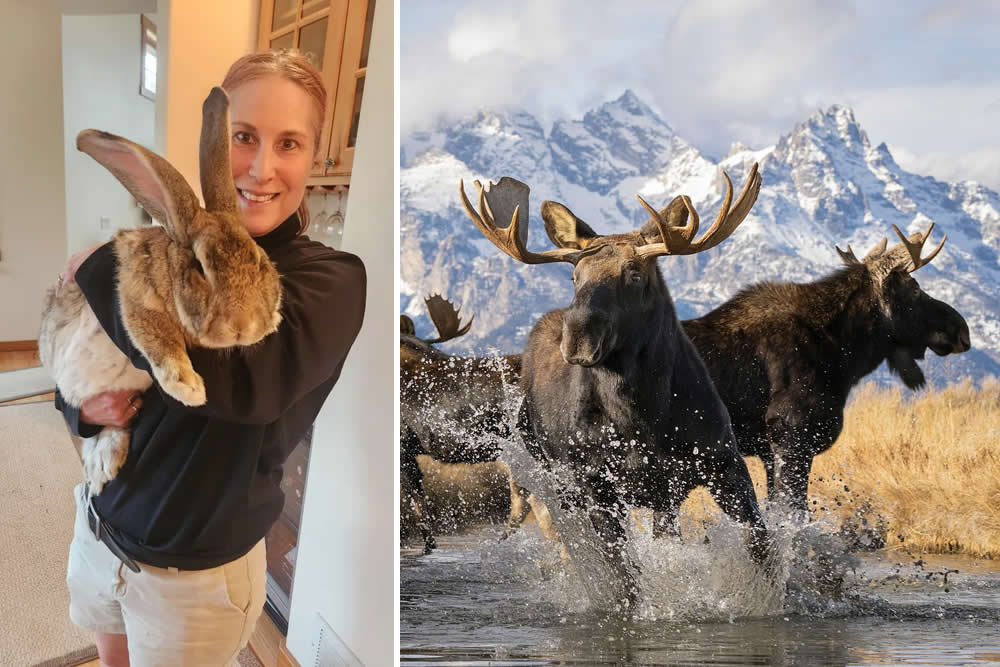
Why should we follow her:
- Turns high-altitude hardship into captivating stories.
- Offers rare, close-up glimpses into the lives of Rocky Mountain wildlife.
- Advocates for patient, ethical wildlife photography—and always puts animal welfare first.
- Her “moose-drool” misadventures have become the stuff of legend—equal parts hilarious and heartwarming.
- A must-follow for anyone who finds magic in snowy, atmospheric landscapes.
Achievements:
- Gold Winner: World Nature Photography Awards 2026 (People & Nature).
- Featured in 1839 Awards for her iconic « Snowshoes » series.
- Published in major North American wildlife journals.
- Left a two-decade aviation career to build a new legacy behind the lens.
- Regularly nominated for international « Photographer of the Year » titles.
2. Fenqiang Liu
Let’s talk about Fenqiang Liu, a Florida-based artist who has a rare gift for turning the natural world into pure poetry. Liu’s work doesn’t just chronicle birds; it captures their arrival with an almost reverential touch. His mastery of light and shadow, especially in black and white, doesn’t just photograph an egret; it elevates it to art that soars.
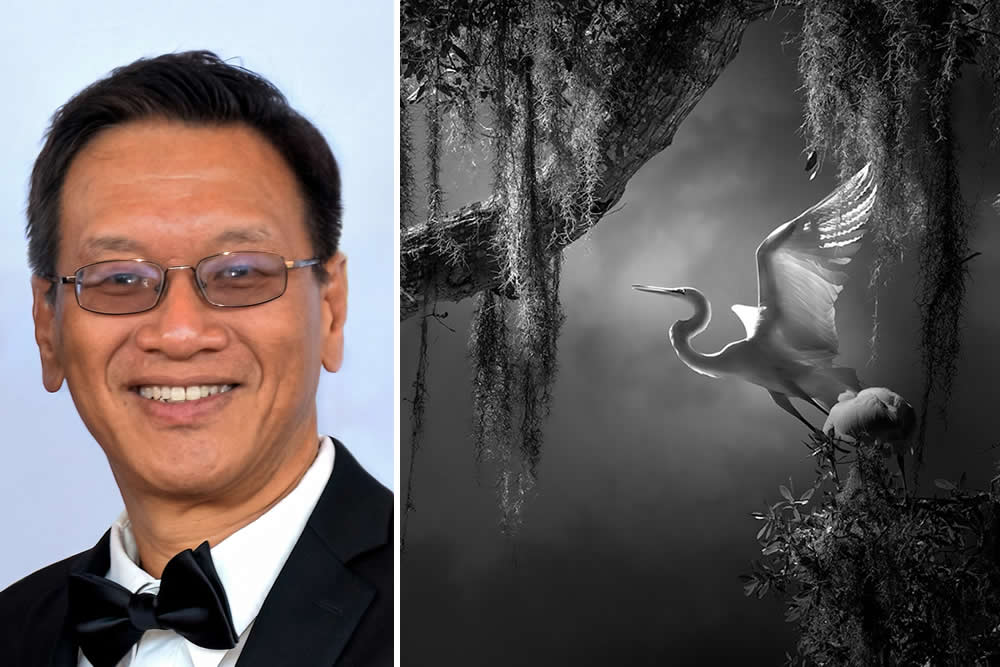
Why should we follow him:
- Sets the pace in poetic, fine-art wildlife photography.
- Knows exactly how to harness Florida’s elusive light for dramatic, unforgettable images.
- Effortlessly blends razor-sharp technique with real emotional punch.
- A must for anyone obsessed with black-and-white photography.
- Dominates the international awards circuit, including big wins in 2026.
Achievements:
- Gold Winner: World Nature Photography Awards 2026 (Birds).
- 2nd Place: 18th Annual Color Awards (Professional Wildlife).
- Multiple Gold and Silver medals at the Exposure One Awards.
- Former 1st Prize winner at the Fine Art Photography Awards.
- Recognized by Black & White Spider Awards for his striking compositions.
3. Christopher Baker
Let’s spotlight Christopher Baker, a true original from Alabama who’s made it his mission to show that world-class wildlife photography can happen right in your own backyard. Baker’s lens celebrates “local legends” like the pond slider turtles of Madison, reminding us that wonder can be found in the ponds and parks we pass by every day. His images are crisp, intentional, and always dignify the creatures at their center.
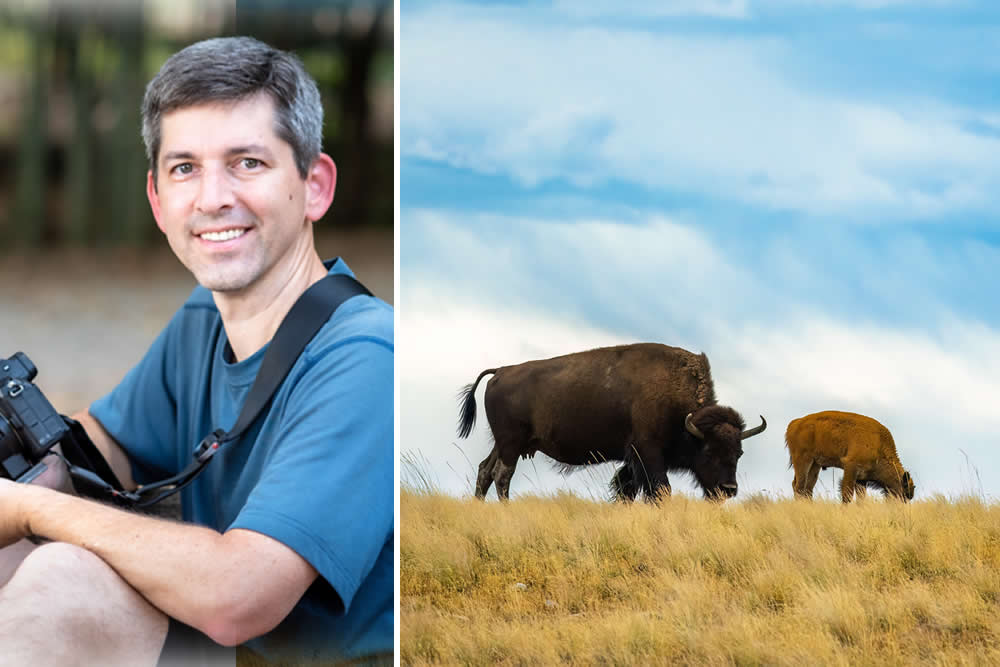
Why should we follow him:
- Sets the standard for backyard wildlife photography.
- Brings a touch of studio glamour to the world of reptiles and amphibians.
- Makes you want to grab your camera and rediscover the beauty just outside your door.
- Passionate about telling the story of North America’s turtles, one portrait at a time.
- His black-and-white photography is a study in texture—every scale, every line, rendered with care.
Achievements:
- Gold Winner: World Nature Photography Awards 2026 (Black and White).
- Consistently placed in regional US nature showcases.
- A champion for Alabama’s wildlife, using his images to spark real conversations about conservation.
- Expert in close-up, high-detail reptile portraiture.
- Winner of multiple « Best in Show » honors at local US exhibitions.
4. Robert Gloeckner
Let’s turn our attention to Robert Gloeckner, a photographer who refuses to look away from the uncomfortable realities of our time. In 2026, his award-winning series from Churchill, Manitoba, didn’t just earn accolades; it got people talking worldwide about where the wild meets human refuse. Gloeckner’s camera is sharp, but his wit is even sharper, capturing the biting irony of a polar bear pausing by a « No Scrap Metal » sign. His images don’t just document—they provoke, question, and linger in your mind long after you’ve scrolled by.
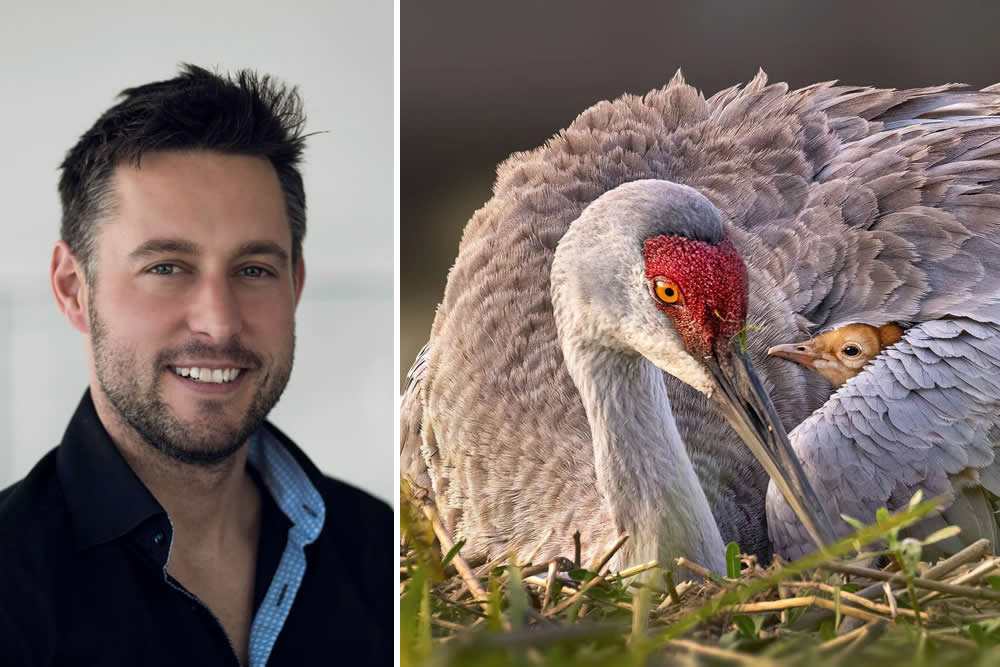
Why should we follow him:
- A leading voice for urban wildlife and environmental action.
- Zeroes in on the uneasy collision between modern waste and the wild.
- If you’re drawn to conservation photojournalism, Gloeckner is a name to know.
- Delivers his environmental message with a deft mix of humor and irony.
- Constantly pushes the boundaries of what wildlife portraiture can be.
Achievements:
- Gold Winner: World Nature Photography Awards 2026 (Urban Wildlife).
- Robert Gloeckner’s work has received recognition, including examples such as Slovak photographer Roman Balaz winning a silver prize for animal photography, according to Gizmodo. Gloeckner continues to play an active role in documenting climate change for the world’s visual archives.
- A report from Forbes highlights Robert Gloeckner’s wildlife photography as a winner in the World Nature Photography Awards 2026, featuring his work among other remarkable global wildlife images.
5. Karine Aigner
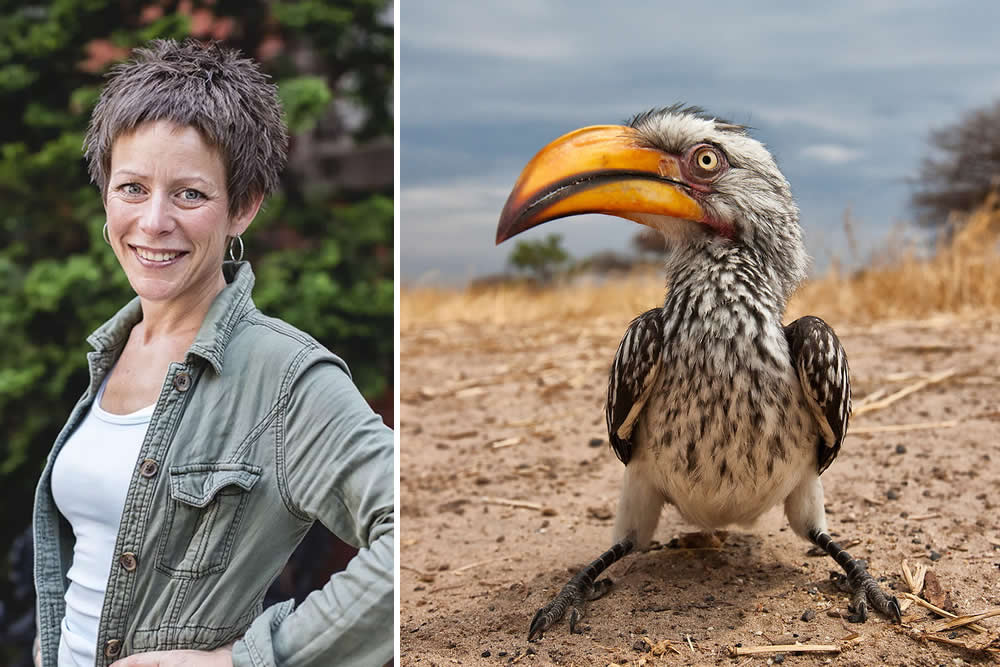
Let’s talk about Karine Aigner, a powerhouse whose roots run deep in the world of National Geographic. She isn’t just an industry heavyweight; she’s the champion of nature’s underdogs. Aigner’s lens finds beauty and drama in the overlooked: the small, the misunderstood, the silent battles playing out among insects and creatures we miss. Every frame she creates pulses with patience, empathy, and a fierce belief that every story, no matter how tiny, deserves to be told.
Why should we follow her:
- Industry icon with years of National Geographic storytelling under her belt.
- Unmatched at spotlighting the “small stories” that most photographers overlook.
- Sets the gold standard for ethical storytelling and conservation advocacy.
- Delivers honest, behind-the-scenes wisdom that working pros genuinely value.
- Her photographs aren’t just images; they’re cinematic windows into unseen worlds.
Achievements:
- According to the Natural History Museum, Karine Aigner is the fifth woman in the competition’s fifty-eight-year history to win the Grand Title for Wildlife Photographer of the Year. She has also received numerous honors from World Press Photo.
- Mentors the next generation of American nature photographers. Her influence is everywhere.
- According to National Geographic, Karine Aigner won the $100,000 top prize in a conservation photo contest with her impactful image of Tarzan the chimp, highlighting her significant contribution to global conservation photography.
6. Jeff Wirth
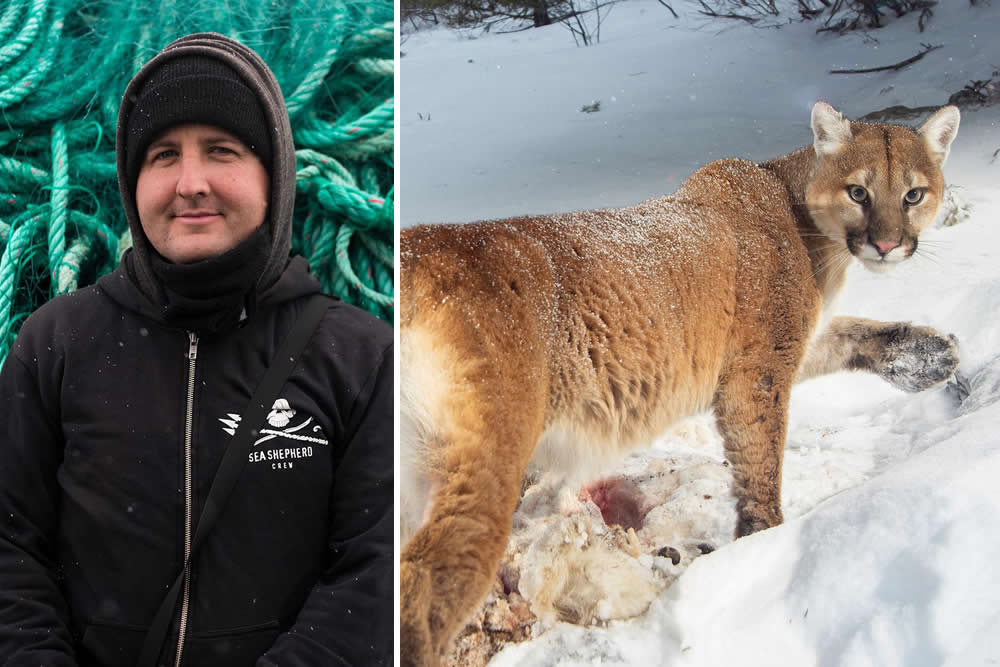
Let’s shine a light on Jeff Wirth—a storyteller who’s made it his mission to reveal the wild’s best-kept secrets. According to the Mountain Lion Foundation, Wirth is known for combining advanced camera trap technology with hands-on tracking expertise to capture extraordinary images of mountain lions and other elusive predators, providing rare glimpses into their hidden lives.with the world.
Why should we follow him:
- If you’re curious about camera trap wizardry, Wirth is the name to know.
- Brings you up close to the secret world of nocturnal predators—no night vision goggles required.
- Merges science, tracking, and a keen artistic eye into something truly original.
- His social feeds are a goldmine for anyone who loves seeing the real, often unpredictable process behind the perfect wildlife shot.
- An essential follow for aspiring remote wildlife photographers and seasoned pros alike.
Achievements:
- Named among the top wildlife influencers in the country—a nod to both his reach and his impact.
- Saw his audience grow by more than 20% in late 2025, thanks to the kind of quality content that keeps people coming back.
- Recipient of several prestigious grants for ecological storytelling.
- Helped set new ethical standards for remote camera work—raising the bar for the entire field.
- Works closely with top conservation groups, especially on mountain lion tracking initiatives.
7. Thomas D. Mangelsen
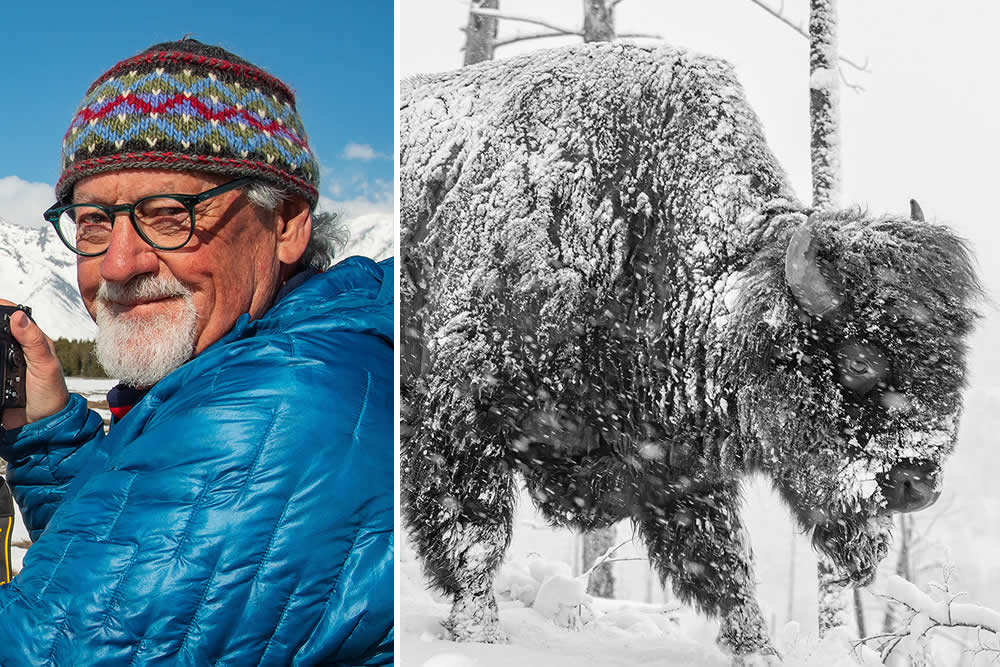
Thomas D. Mangelsen isn’t just a legend—he’s the elder statesman of American wildlife photography. Anchored in Jackson Hole, Mangelsen’s body of work and iconic galleries have set the bar for a generation. Even now, he’s not content to rest on his laurels; Mangelsen remains a tireless advocate for the Greater Yellowstone Ecosystem, lending his voice and camera to the fight for wild places.
Why should we follow him:
- A living legend whose images define the spirit of the American West.
- No one captures grizzlies and wolves with more insight and intimacy.
- Outspoken defender of public lands and national parks—his activism is as bold as his photographs.
- His “Images of Nature” galleries have set the standard for excellence in wildlife photography.
- Renowned for weaving wildlife seamlessly into sweeping landscapes—no one does the “grand shot” quite like Mangelsen.
Achievements:
- Honored as the very first « Environmental Photographer of the Year. »
- Recipient of the BBC’s prestigious « Wildlife Photographer of the Year » award.
- Named an Honorary Fellow by the Royal Photographic Society—a rare distinction.
- Profiled on 60 Minutes for a career spent championing the natural world.
- Recognized as one of the most influential nature photographers of all time—his impact is undeniable.
8. Michelle Valberg
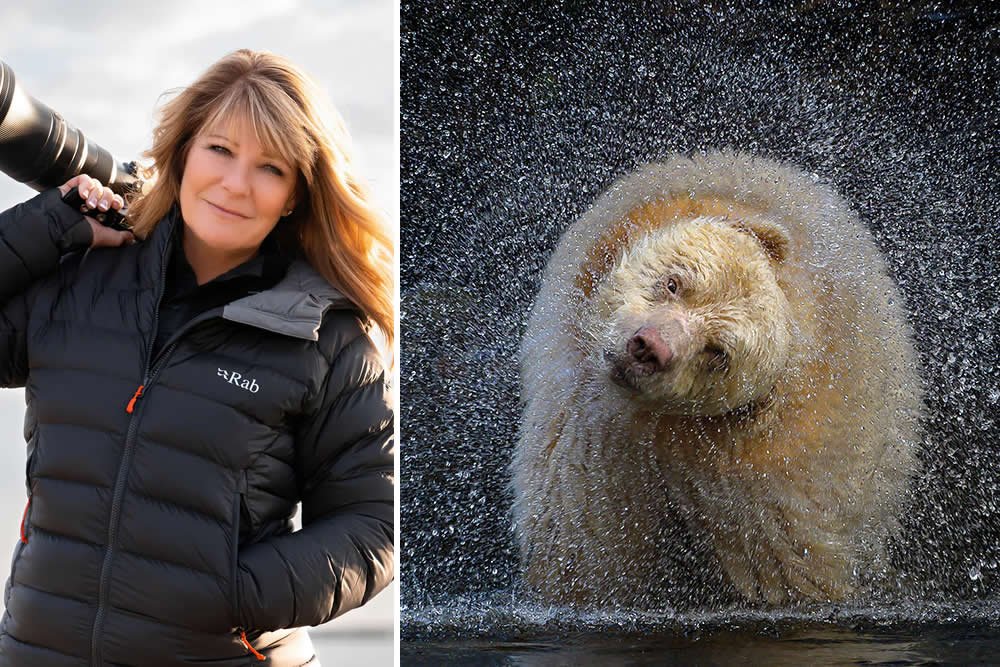
Let’s talk about Michelle Valberg, a Nikon Ambassador whose camera has roamed from the icy reaches of the Canadian Arctic to the rolling fields of the American Midwest. In 2026, Valberg’s lens found the soul of her subjects through their eyes, capturing a depth of emotion that’s hard to forget. She’s one of those rare photographers who can make a thousand-pound bear appear both commanding and startlingly vulnerable, all in the same frame.
Why should we follow her:
- Sets the standard for technical excellence as a Nikon Ambassador.
- Unrivaled expertise in Arctic and high-latitude wildlife photography.
- Master’s the art of forging emotional connections, often through a single, unforgettable glance.
- Known for her engaging workshops that inspire photographers from coast to coast.
- Her feed is a lesson in clean, high-contrast editing—every image polished, never overdone.
Achievements:
- Took home « Best in Show » at NANPA 2026.
- Named Canadian Geographic’s very first « Photographer in Residence. »
- Honored as a Member of the Order of Canada—one of the country’s highest artistic distinctions.
- No stranger to the podium, with global wins across multiple WNPA categories.
- Author of more than five books celebrating the wildlife and wild places of the North.
9. Evan Watts
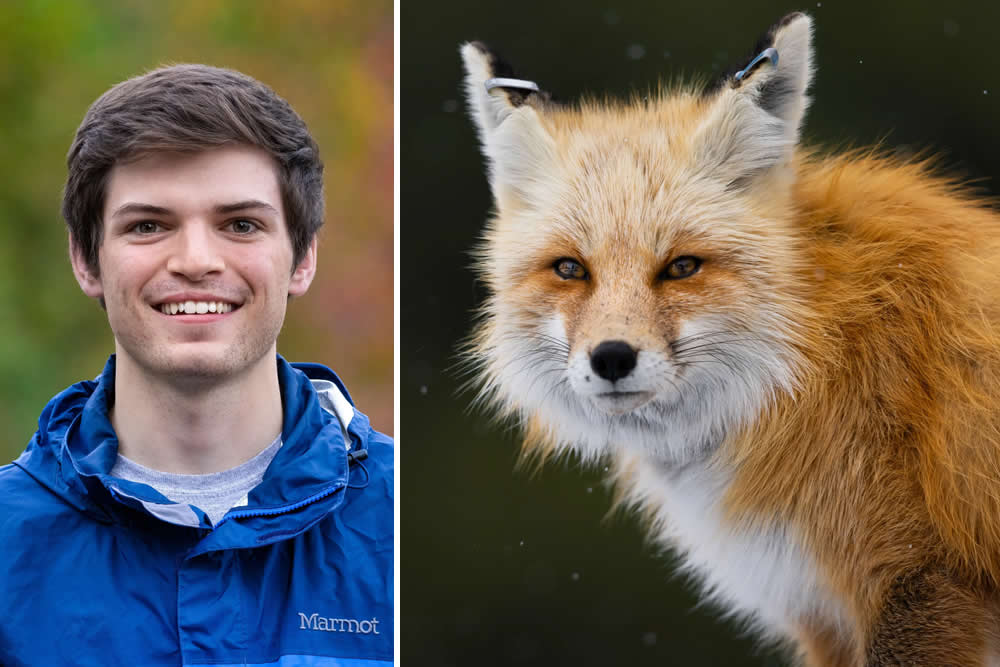
Let’s take a look at Evan Watts, a fresh force in the Greater Yellowstone Ecosystem who’s redefining how we experience wildlife. According to Influencer Hero, Evan Watts is a wildlife photographer based in the Greater Yellowstone Ecosystem who actively engages audiences through his YouTube videos and social media, offering an immersive look into the natural world.
Why should we follow him:
- Arguably, the top Yellowstone follow for anyone who craves real-time wildlife action.
- Bridges the gap between classic wildlife photography and dynamic, documentary-style filmmaking.
- His 15%+ engagement rate says it all. People trust his authentic storytelling approach.
- Go-to source for honest gear reviews and practical field tips you’ll actually use.
- Bringing a jolt of fresh energy to the wildness of the American West, his work reminds you these landscapes are anything but static.
Achievements:
- Evan Watts was recognized as one of the top 20 wildlife photography influencers in the United States in 2025, gaining 60,000 followers and a high engagement rate according to Infludata. His digital « Field Guide » series attracted significant attention and became popular among outdoor enthusiasts.
- According to Yellowstone Wild Tours, Evan Watts is offering two highly sought-after photography workshops in winter 2026, reflecting his strong demand among wildlife enthusiasts.
- Finalist in multiple “Action and Behavior” photography contests—proof that his stills pack as much punch as his videos.
10. Melissa Groo
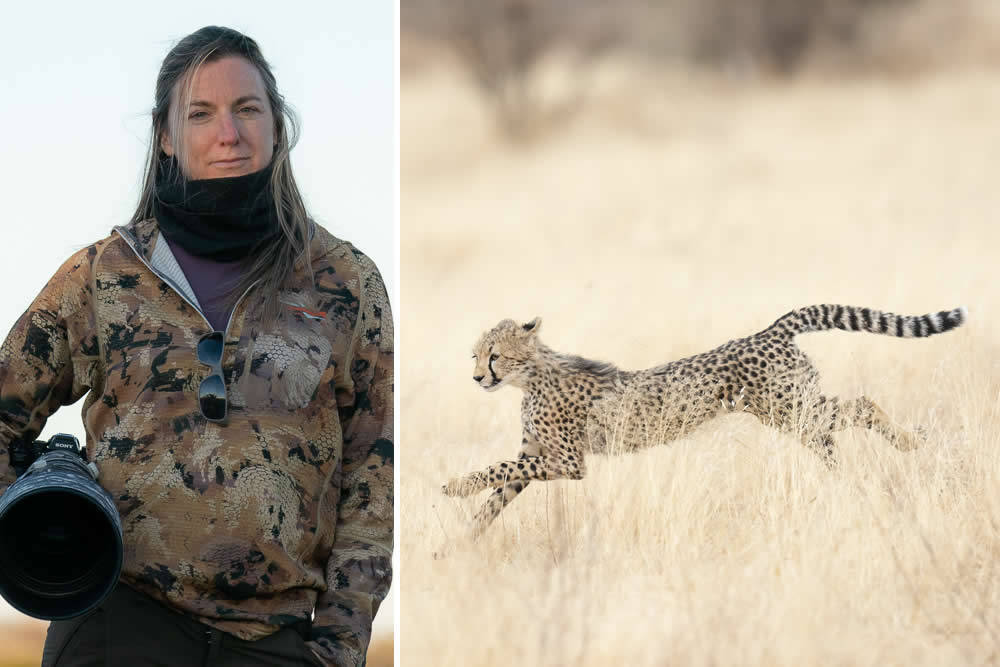
Based in New York, Melissa Groo is much more than a photographer; she’s a force for change in the field. As the nation’s go-to voice for ethical wildlife photography, Groo sets the standard for capturing wild moments without ever crossing a line. Her images, whether it’s a bobcat slipping through the underbrush or a great blue heron in perfect stillness, pull you into nature’s confidence, as if you’re being let in on a secret.
Why should we follow her:
- The gold standard for getting “the shot” without ever putting animals at risk.
- Her “Field Notes” are a treasure trove for anyone hoping to sharpen their tracking skills.
- A true master of the “environmental portrait,” she reveals animals seamlessly woven into their natural homes.
- A pillar of the US birding scene and a mentor when it comes to setting the ethical bar high.
- Her feed offers a refreshingly honest look behind the curtain, showing just how much patience and grit go into every pro-level shot.
Achievements:
- Recipient of the Katie O’Brien Lifetime Achievement Award for her decades-long commitment to conservation.
- Honored as an Associate Fellow with the International League of Conservation Photographers (iLCP).
- Her images have landed on the covers of Smithsonian, Audubon, and National Wildlife, proving her vision resonates far and wide.
- Melissa Groo has been recognized for her leadership in ethical wildlife photography, including serving as Chair of NANPA’s Ethics Committee from 2014 to 2018 and advising major contests and organizations on best practices, according to her official website.
FAQs
Who’s at the top of American wildlife photography in 2026?
t’s always a heated debate, but this year, Deena Sveinsson and Fenqiang Liu have set the bar high. Both took home Gold at the World Nature Photography Awards, with Sveinsson’s playful, candid moments and Liu’s fine-art approach to birds wowing judges and audiences alike. Their work captures the wild heart of the American landscape like few others.
How do you break into wildlife photography in the U.S.?
Start close to home. Christopher Baker, for example, built his reputation by capturing the everyday wonders in his own backyard. According to Audubon, when photographing wildlife, it is crucial to prioritize the well-being of the animals and their environment above personal ambitions, so investing in a good telephoto lens and learning about animal behavior should always be paired with a strong ethical approach. Want inspiration? Study the work of veterans like Karine Aigner and Thomas Mangelsen, who blend artistry with a strong conservation message.
Where should you head for the best wildlife shots in America?
Yellowstone, the Everglades, and the Grand Tetons top the list. If you follow photographers like Evan Watts and Deena Sveinsson, you’ll see why—these wild places are home to everything from grizzly bears to bull moose, and their ever-changing light and drama keep both pros and newcomers coming back for more.
Why does ethics matter in wildlife photography?
It’s simple: good ethics keep wildlife safe and wild, and protect their habitats for the next generation. Industry leaders like Karine Aigner remind us that respecting boundaries isn’t just about rules—it’s about honor and responsibility. In 2026, ethics aren’t just encouraged, they’re expected. Even Google and major photography awards are putting responsible, conservation-minded content front and center.
Who brought home the gold at the 2026 World Nature Photography Awards?
This year’s American standouts were Deena Sveinsson (People & Nature), Fenqiang Liu (Birds), Christopher Baker (Black and White), and Robert Gloeckner (Urban Wildlife). Their images not only caught the eye of the judges—they set a new standard for what American wildlife photography can achieve on the world stage.