Nature seriously never runs out of surprises. One minute you’re casually scrolling online, and the next you’re watching a bat casually swimming across water like it’s training for the Olympics. Then suddenly, there’s a snake climbing a rope by folding itself like a living accordion, and somehow baby cuttlefish show up looking cuter than most cartoon characters. Planet Earth is weird in the absolute best way possible, and honestly, that’s what makes wildlife so addictive to explore.
The viral Strange Animals on X page has become the internet’s ultimate rabbit hole for bizarre creatures, unusual plants, strange fungi, and jaw-dropping geological wonders. Every post feels like a reminder that nature is still wilder, stranger, and more creative than science fiction. From deep-ocean oddities and transparent sea creatures to birds with alien-like dances and insects that look straight out of fantasy movies, these rare animals prove evolution has an incredible imagination.
What makes these photos even more fascinating is the stories behind them. Some creatures evolved unbelievable survival skills, while others developed appearances so strange they barely seem real. Yet every bizarre detail serves a purpose in the wild. These 35 fascinating photos and facts celebrate the weird, mysterious, and downright mind-blowing side of nature that most people never get to see.
1. An Arctic Fox in the process of changing from her summer coat to a winter one
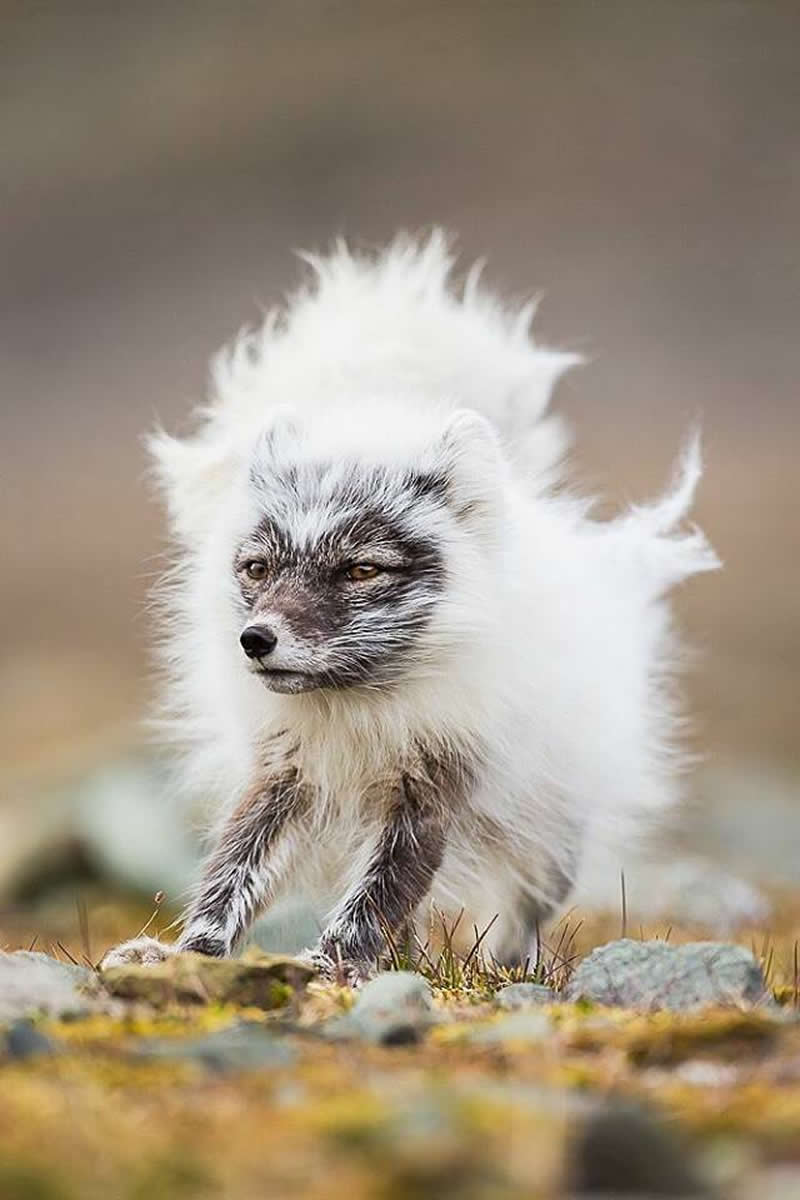
Photo by: Kevin Morgans
2. The long-tailed tit is one of Britain’s most instantly recognisable birds. On freezing nights, several birds will often huddle together for warmth.
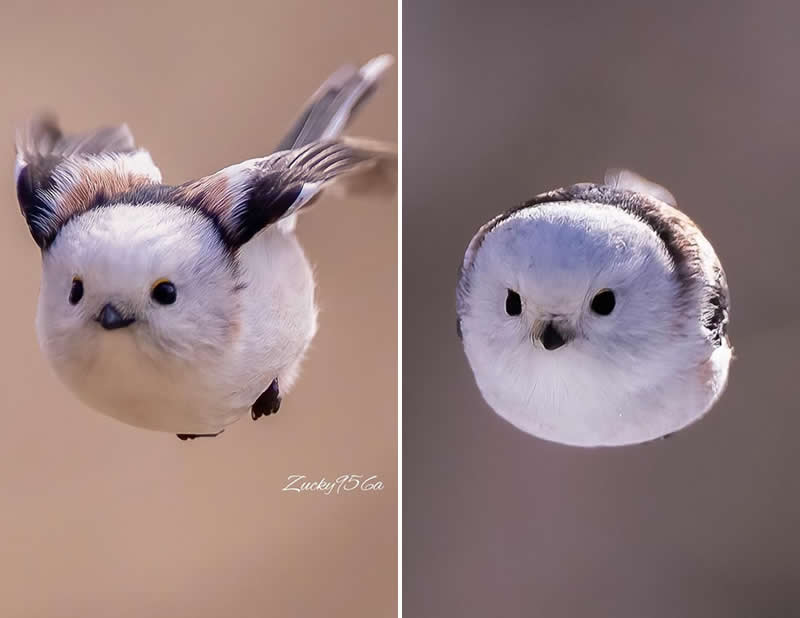
Photo by: S. Isizuk
3. The fossa is a large, cat-like predator from Madagascar, but it’s more closely related to the mongoose family.
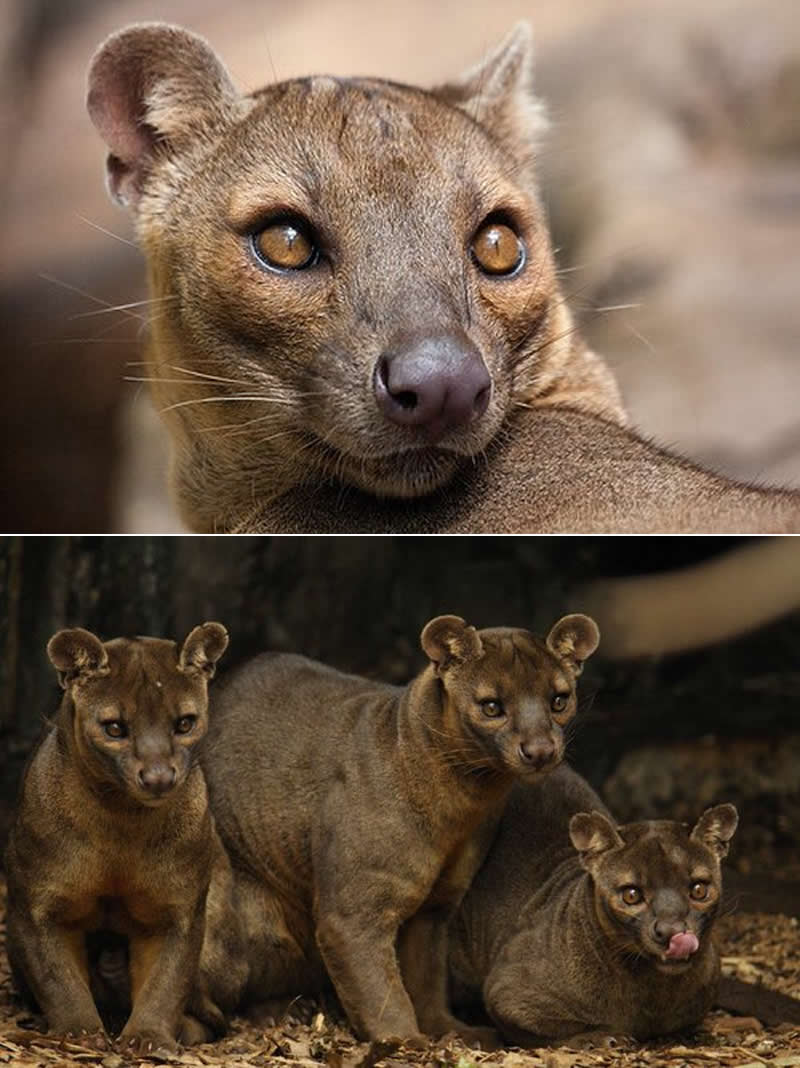
Photo by: Bertal
4. The Patagonian mara from Argentina looks like a rabbit or small deer, but it’s actually a large rodent.
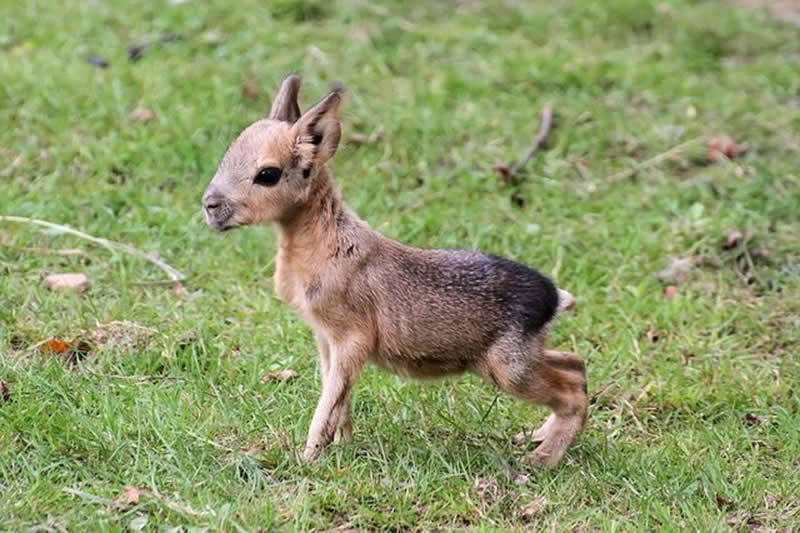
Photo by: Strange Animals
5. A very round, very grumpy giant rain frog. They can be found in South Africa.
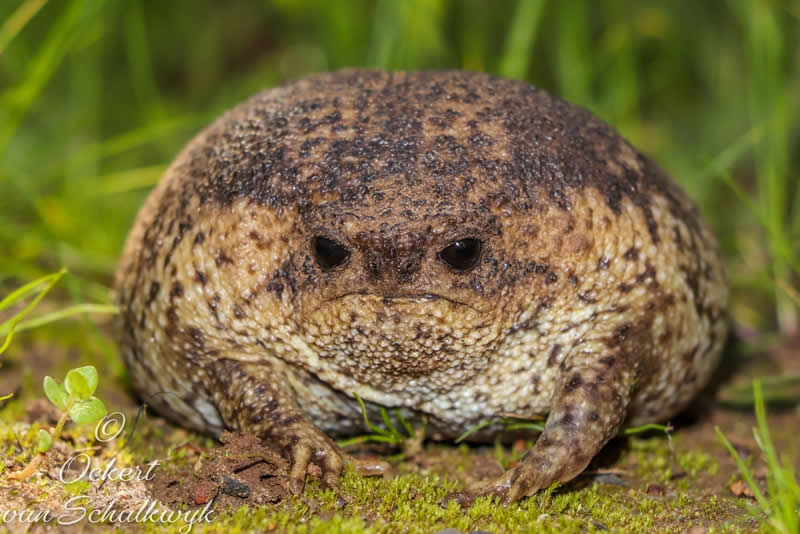
Photo by: Ockert van Schalkwyk
6. The badass caterpillar of the Citheronia moth!
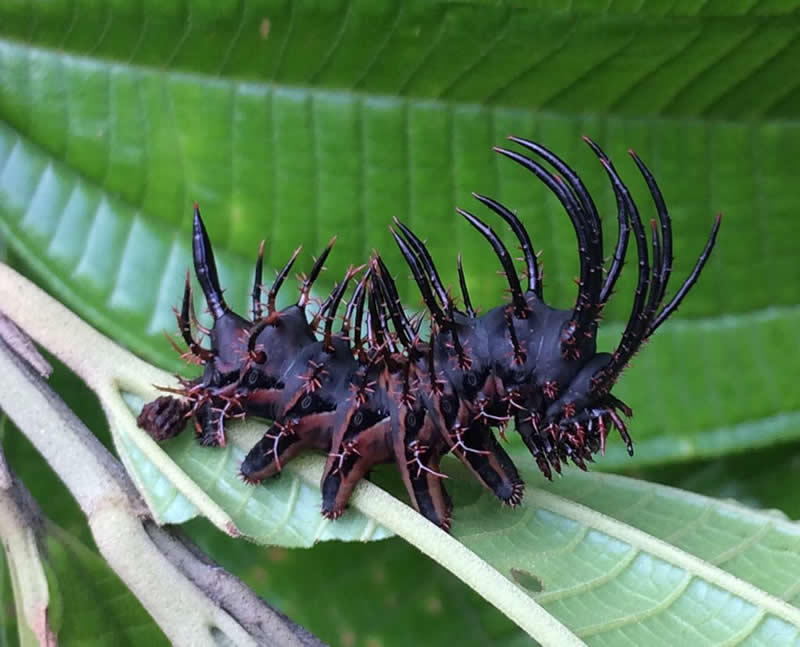
Photo by: vireolanius
7. Adorable kittens of the caracal cat, also known as the desert lynx.
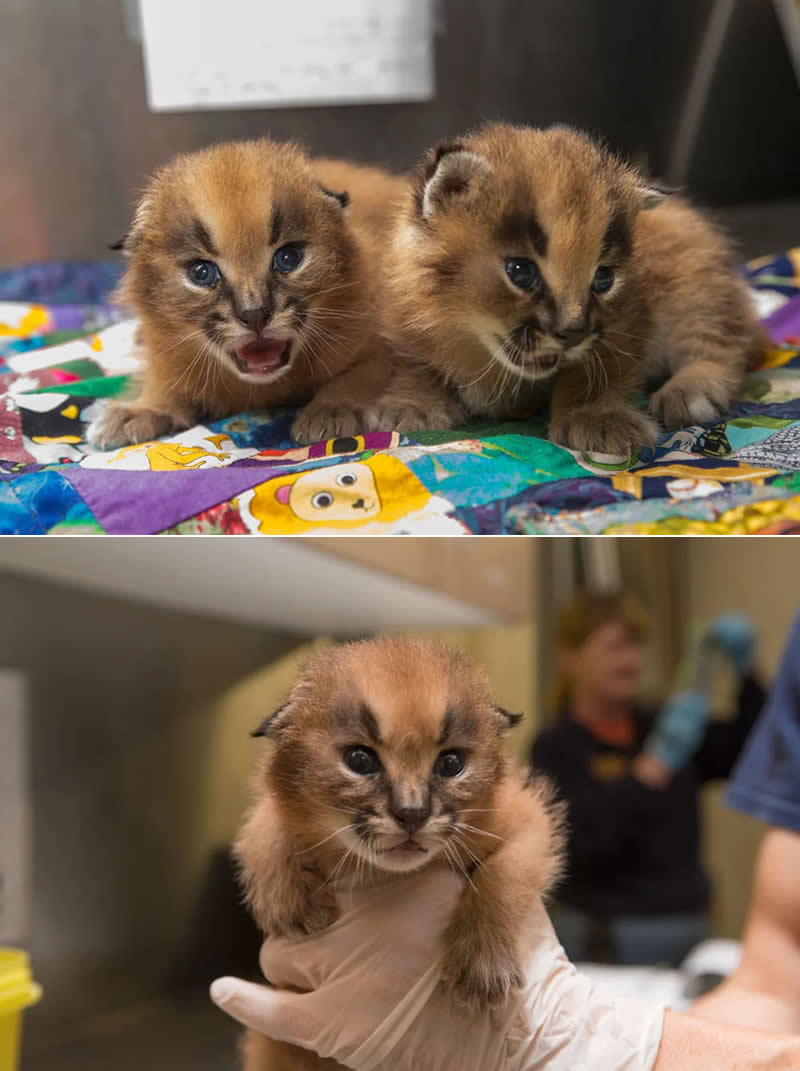
Photo by: Oregon Zoo
8. The adorable black-nosed valais is a rare breed of sheep from Switzerland.
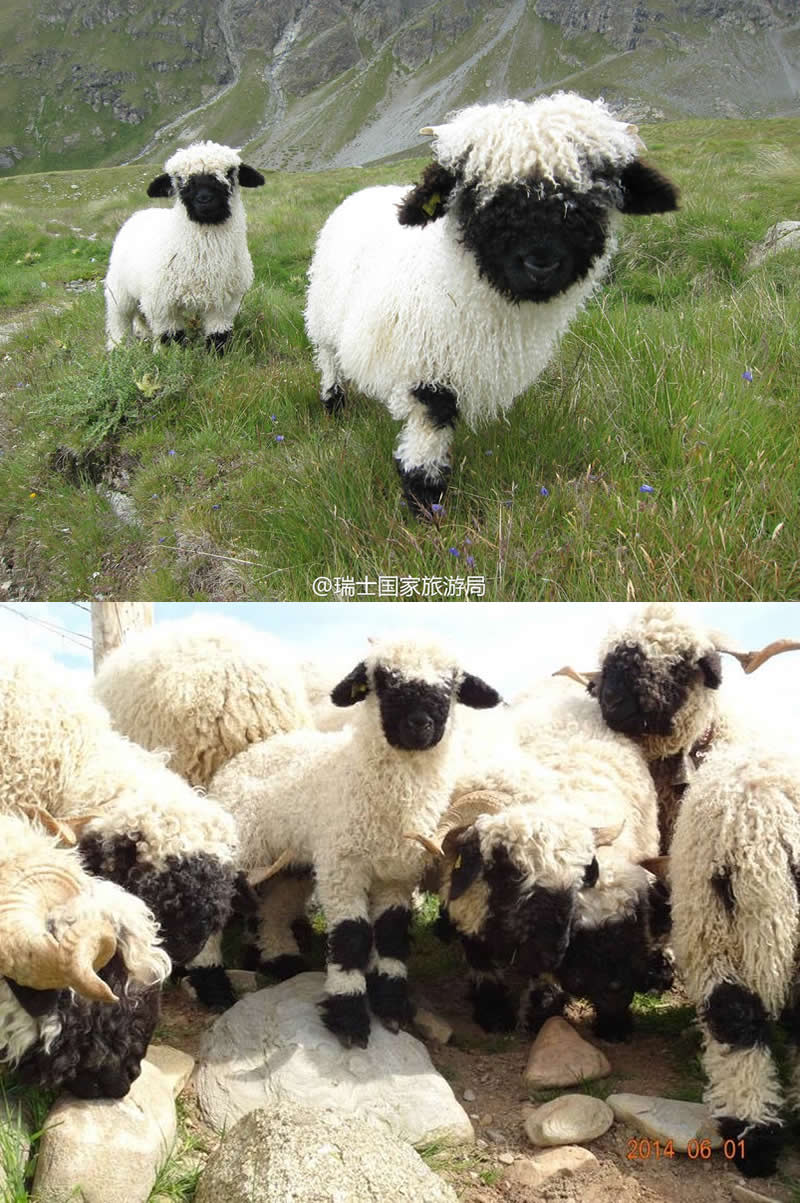
Photo by: Apex
9. A gorgeous pink albino elephant calf from Kruger National Park, South Africa.
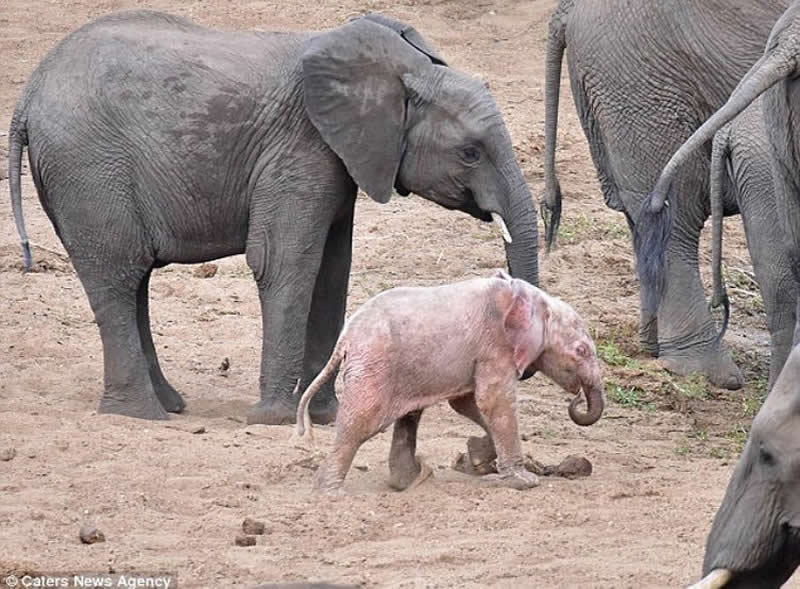
Photo by: Nicki Coertze
10. An adorable yawning elephant shrew!
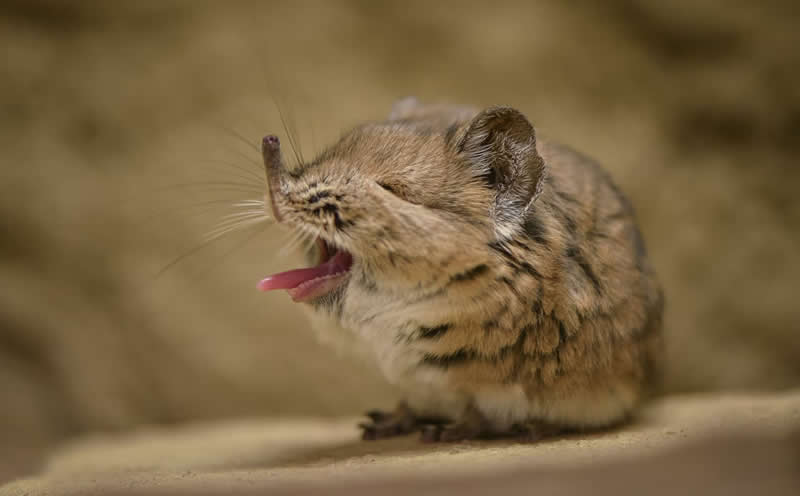
Photo by: Steve Rawlins
11. The duckbill treefrog.
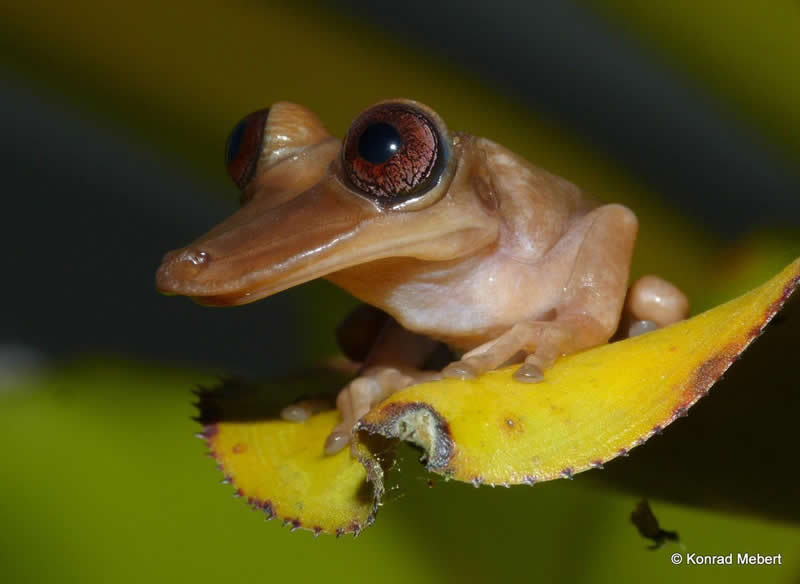
Photo by: Konrad Mebert
12. Diaethria neglecta has the number 88, or sometimes 89, on its wings. Extraordinary!
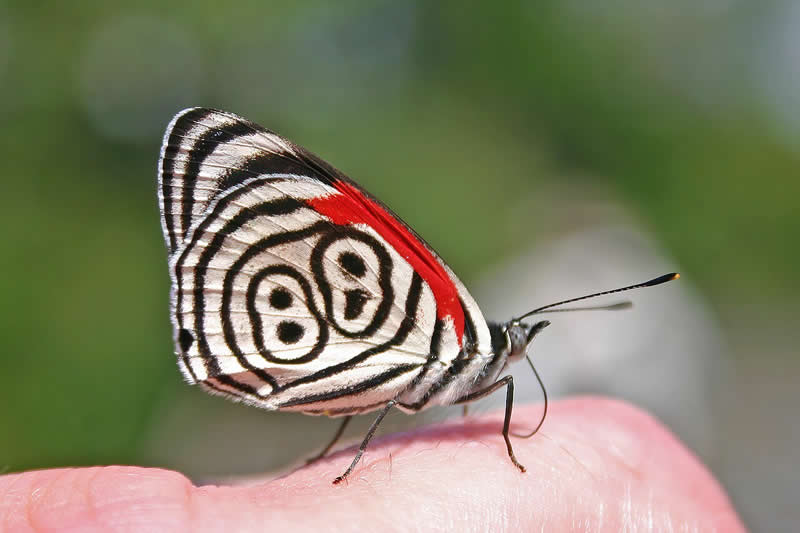
Photo by: Charles J. Sharp
13. Wonderful shot of a female blue-banded bee from Australia.
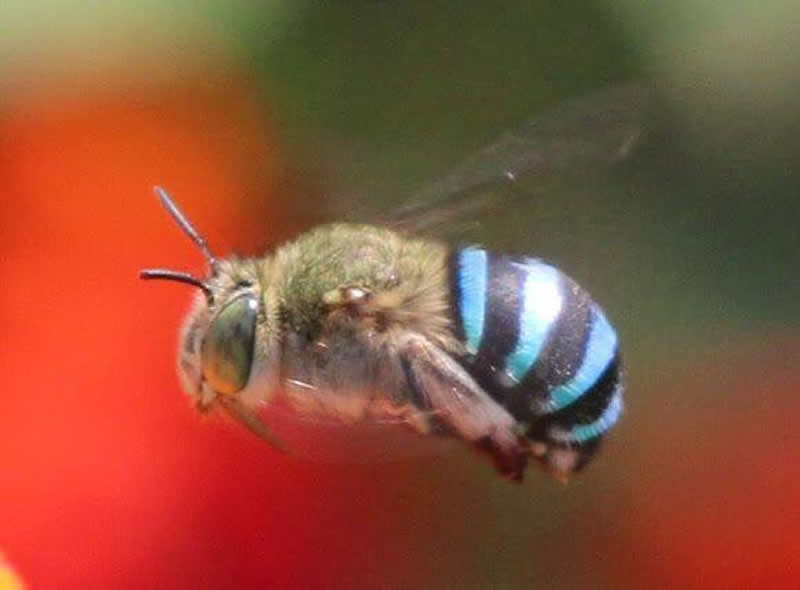
Photo by: Satyen M
14. The impressive caterpillar of the commander butterfly. They build barriers made from their droppings, which contain toxins that deter ants and other predatory insects.
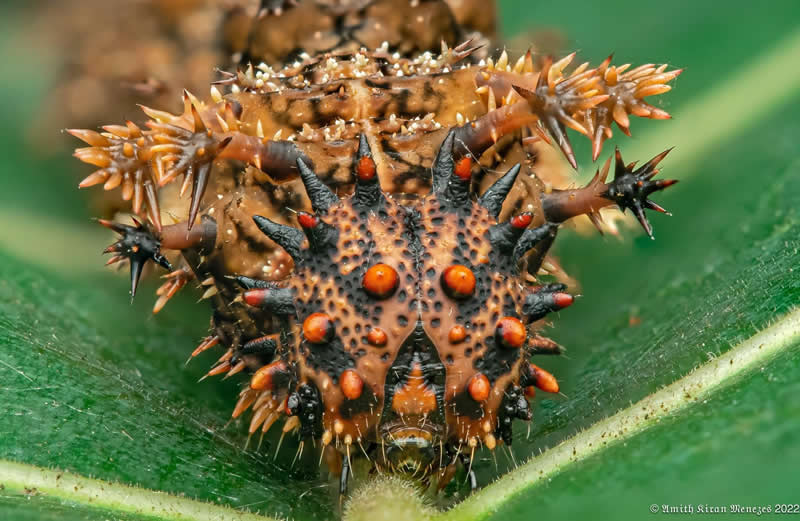
Photo by: Umith Riran Menezes
15. The gorgeous granular glass frog has blue & green polka dots & pink eyes!
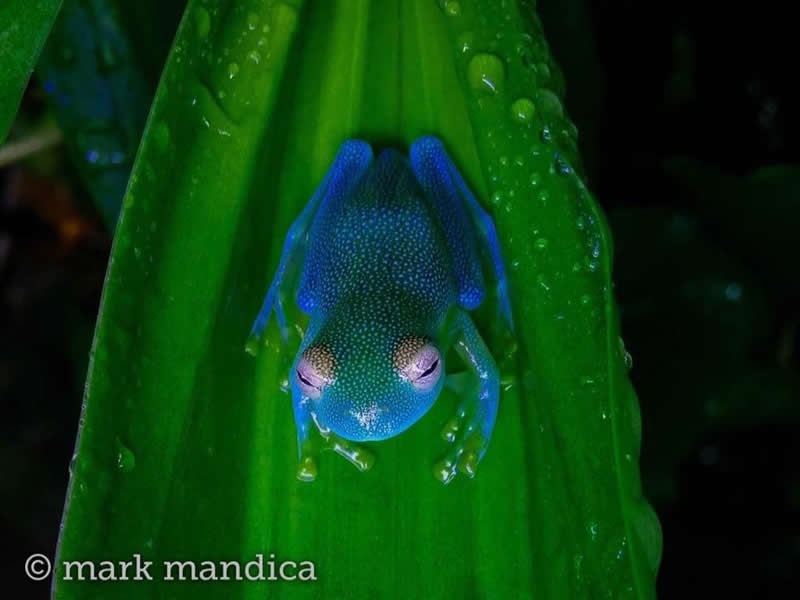
Photo by: Mark Mandica
16. Brookesia desperata is a critically endangered chameleon found on just one small island in Madagascar. Scientists named the species ‘desperata’ to bring attention to the lizard’s fragile habitat.
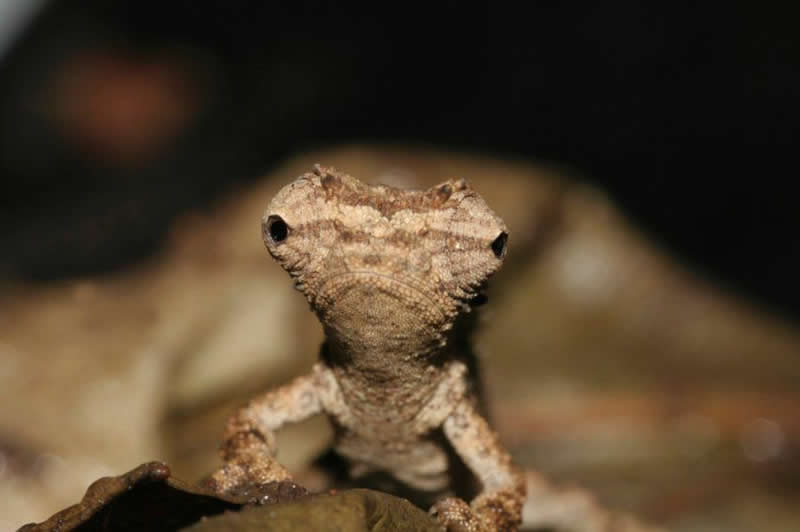
Photo by: Strange Animals
17. A spectacled leaf monkey peeping out of the leaves.
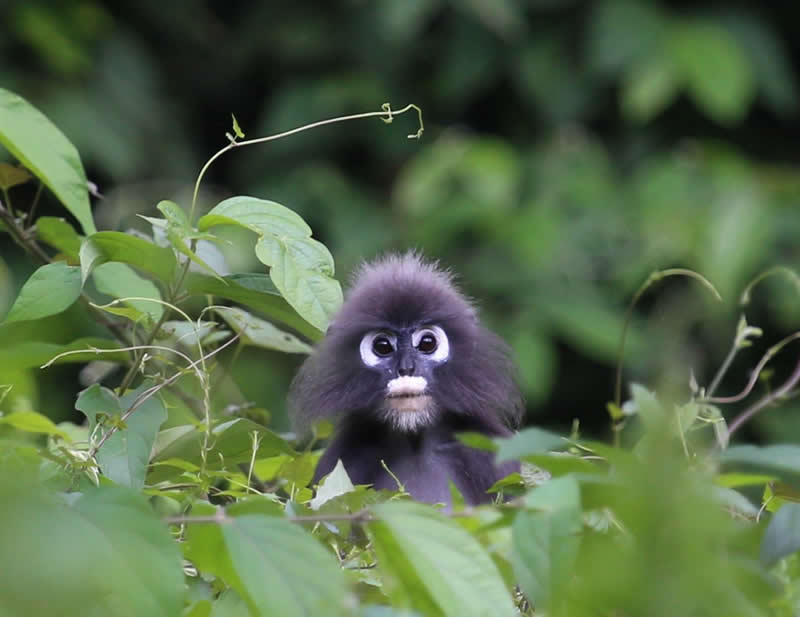
Photo by: Triggs Turner
18. The conehead flower mantis.
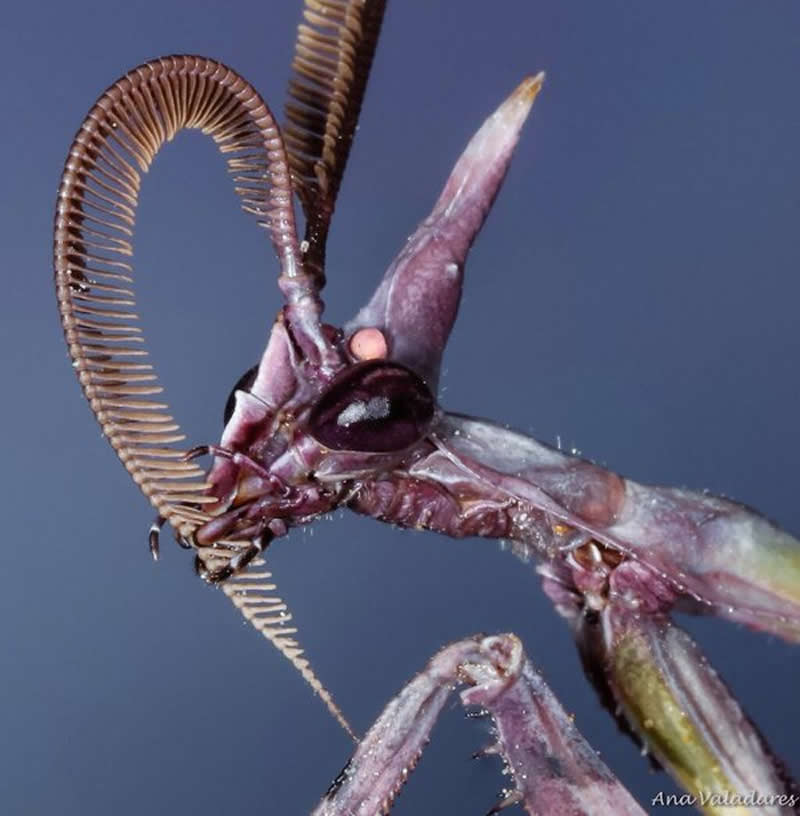
Photo by: Anna Valadares
19. Zimmermann’s poison dart frog
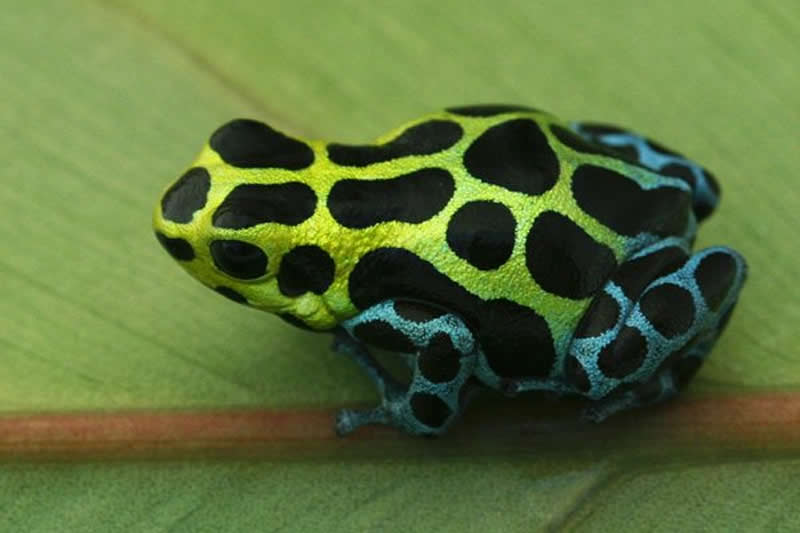
Photo by: Brad Wilson
20. A common & Helfrich’s firefish hybrid found in Japan
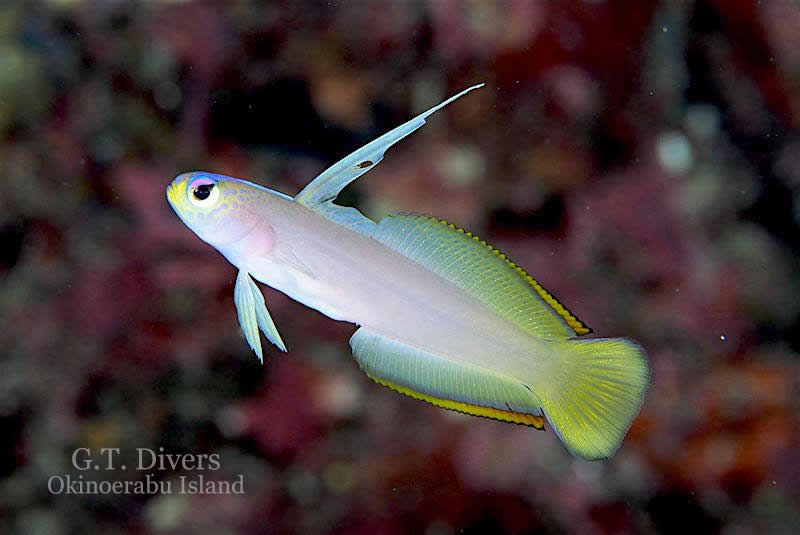
Photo by: GT Divers
21. An amazing moth caterpillar from Southeast Asia!
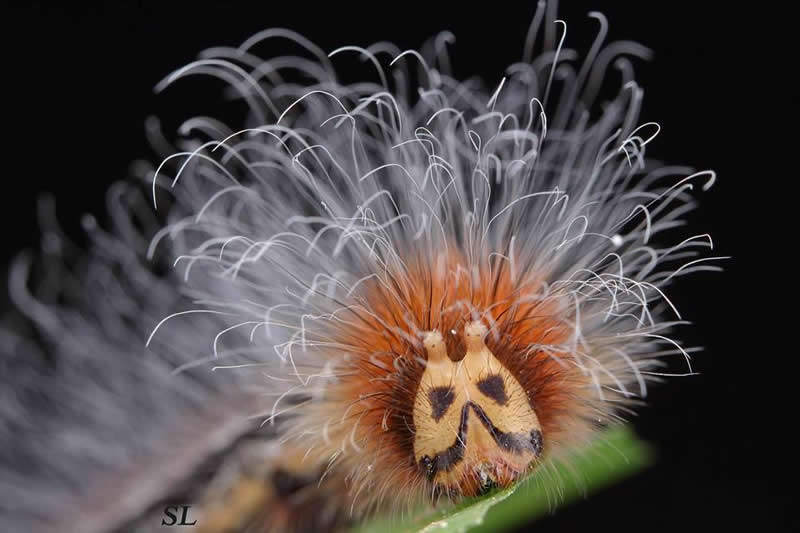
Photo by: Simon Lai
22. A close-up shot of Swinhoe’s pheasant.
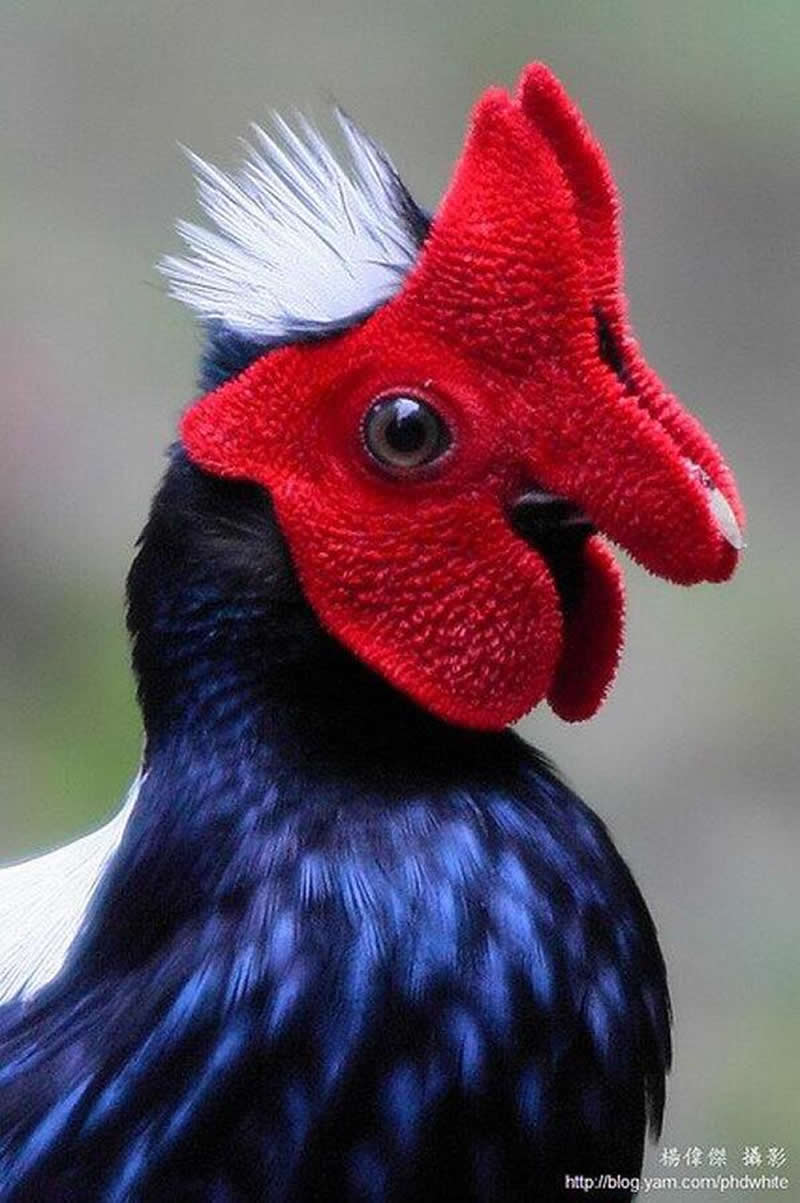
Photo by: phdwhite
23. A newborn Cuvier’s dwarf caiman. They are the smallest species of crocodilian, growing to 1.4 metres long.
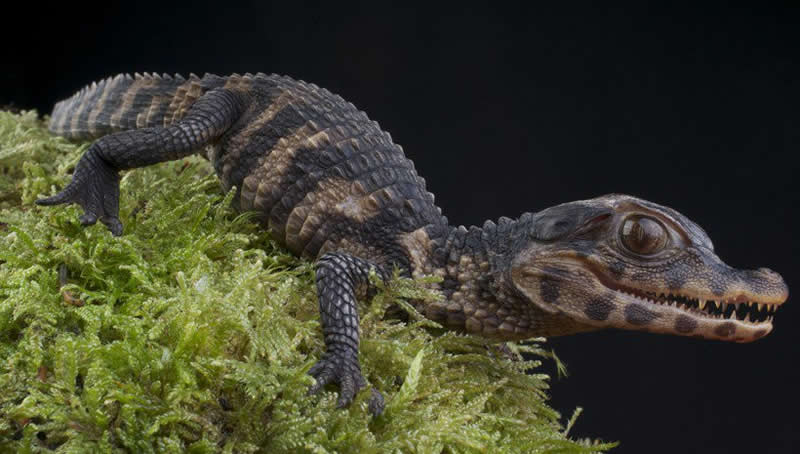
Photo by: Strange Animals
24. Velella or by-the-wind sailor is a group of free-floating hydrozoans that live on the surface of the open ocean.
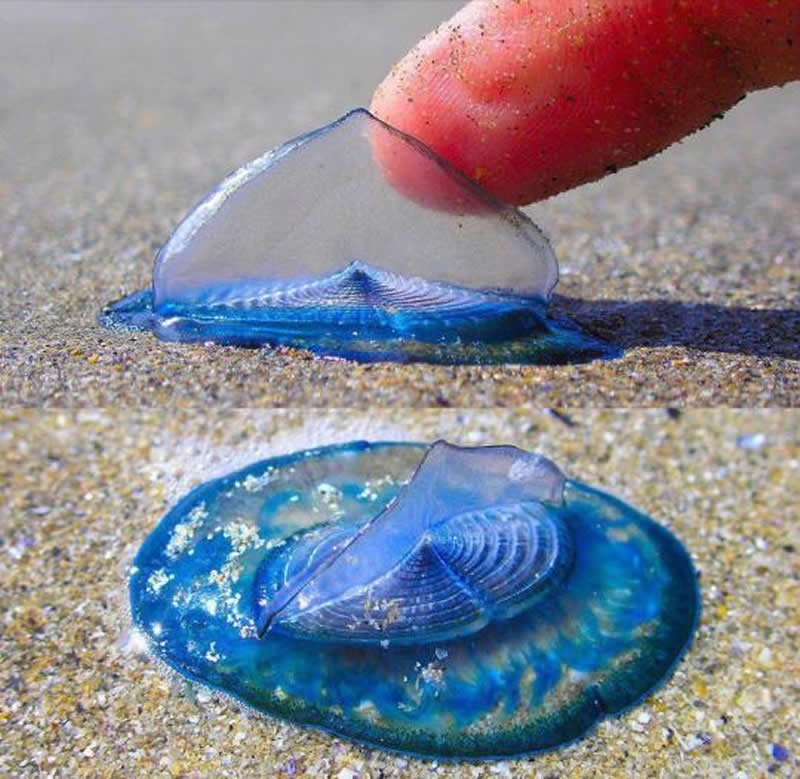
Photo by: Strange Animals
25. Aglantha digitale or pink helmet is a type of Hydrozoa from the northern Atlantic & Pacific oceans.
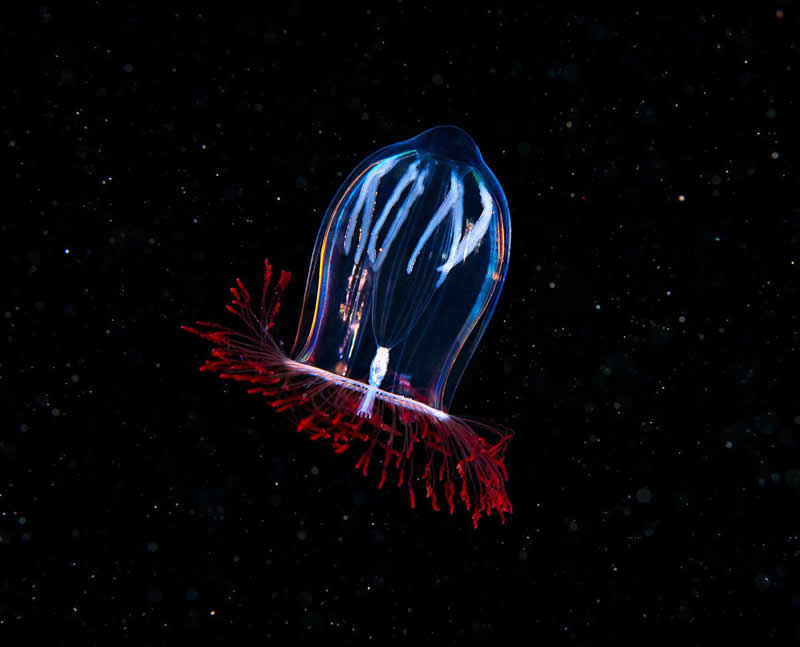
Photo by: Strange Animals
26. The African golden cat can be found in West & Central Africa & grows to 1 metre in length.
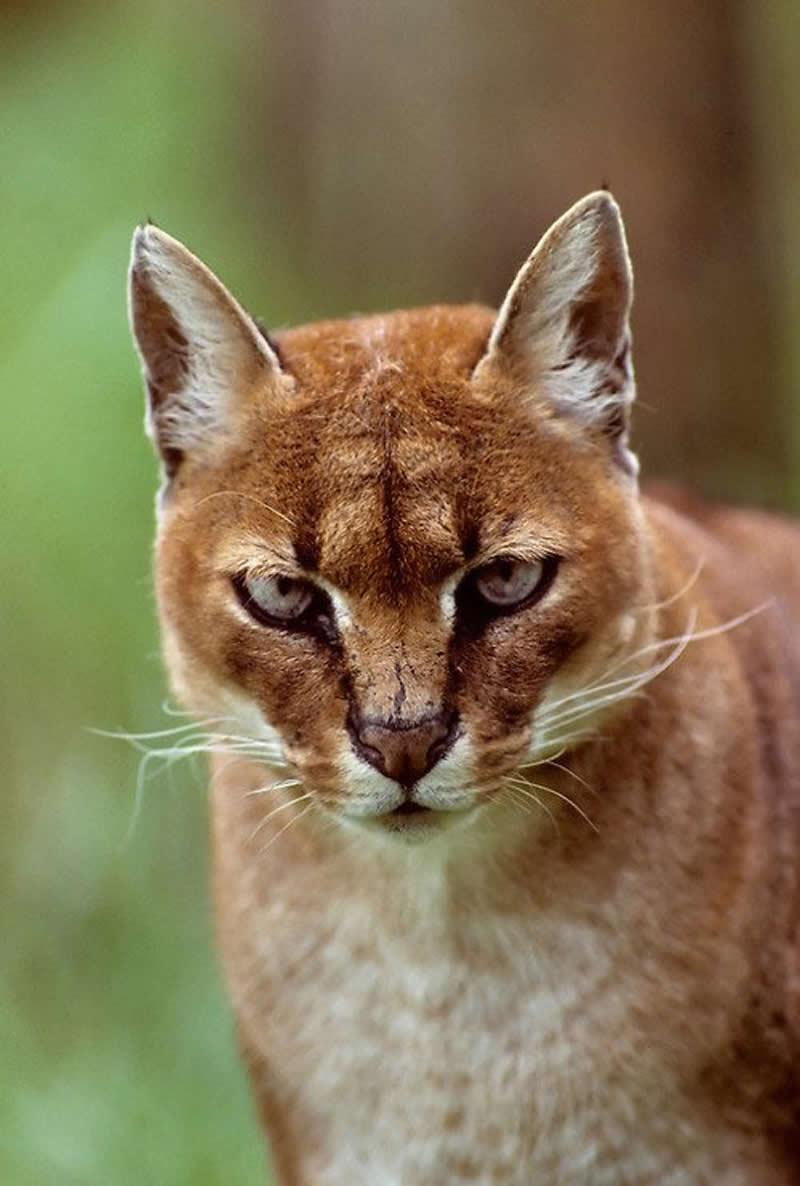
Photo by: Terry Whittake
27. These specialised parasites have co-evolved with their bat hosts for millions of years. They have developed a flat, hard body to prevent being crushed & velcro-like hairs & claws to grip their host. It looks like a spider, but is actually a wingless fly!
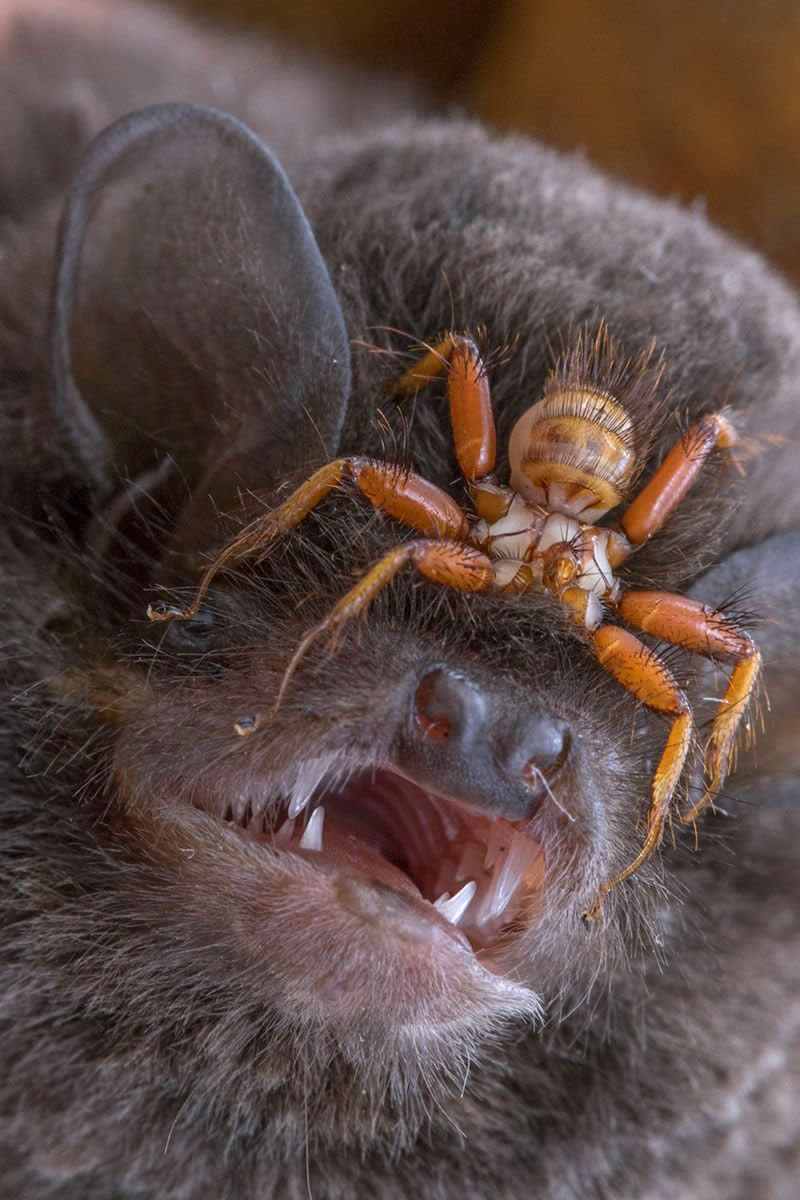
Photo by: Piotr Nasrecki
28. Baby aardwolfs are so cute!
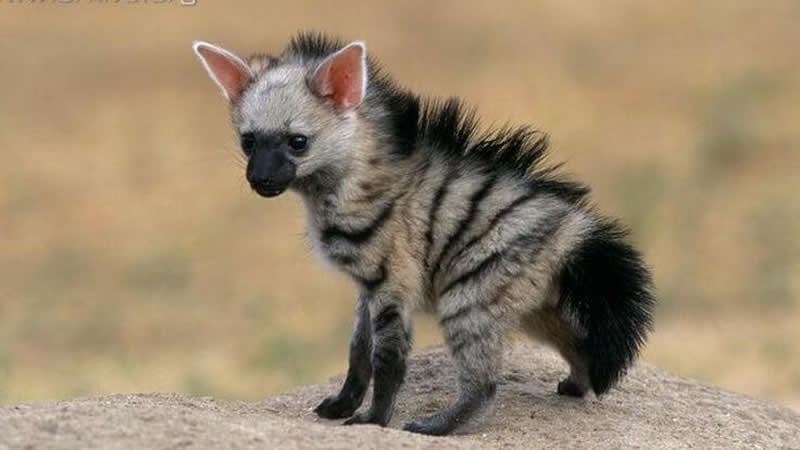
Photo by: H van den Ber
29. Giles’ planigale is a tiny marsupial mouse that feeds on small lizards, snakes and mammals.
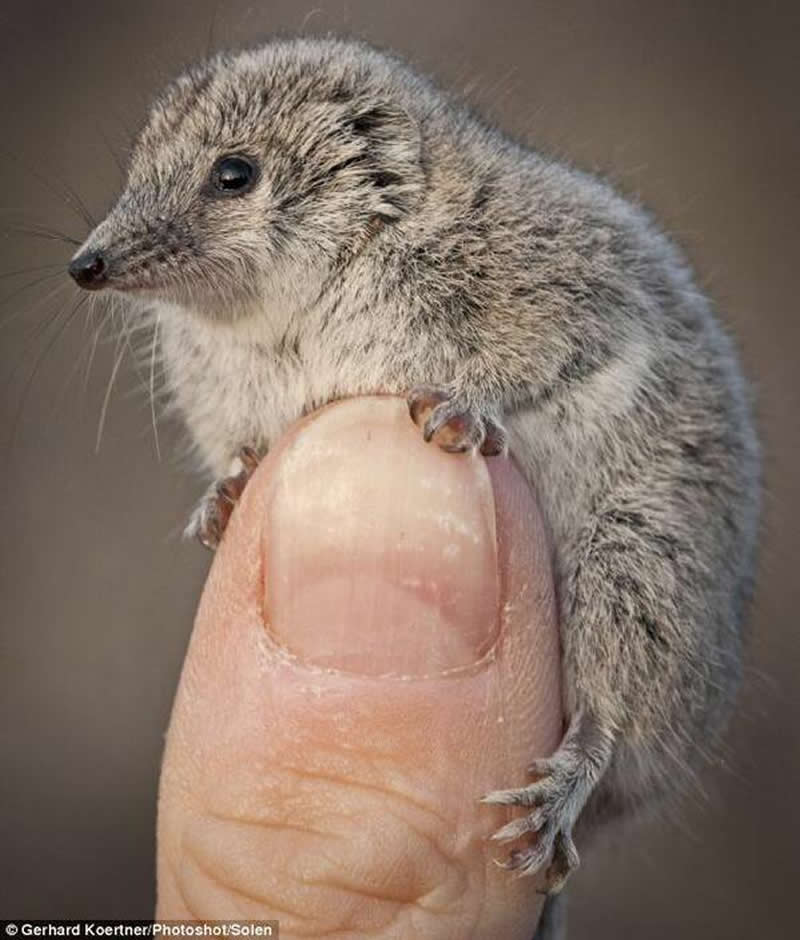
Photo by: Gerthard Koertner
30. The Scottish firework sea anemone.
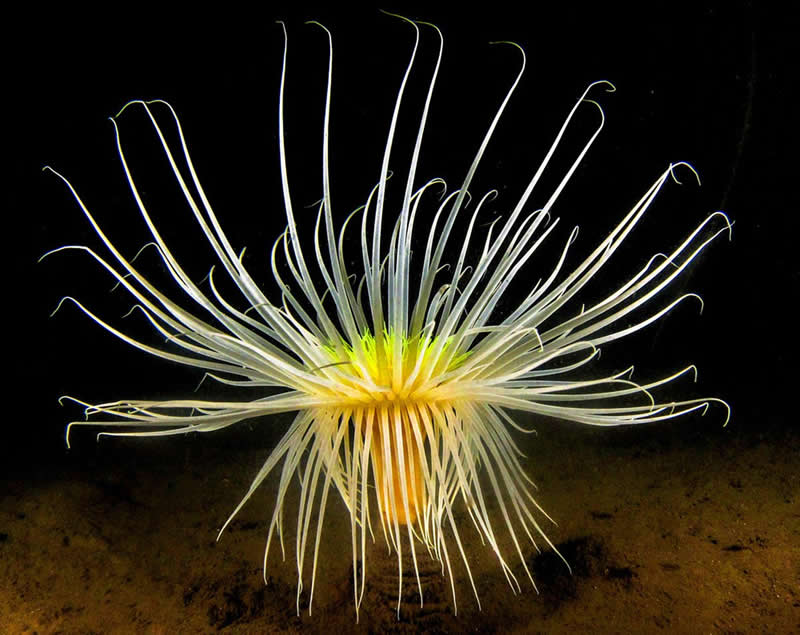
Photo by: Strange Animals
31. The extraordinary leaf-tailed gecko from Madagascar.
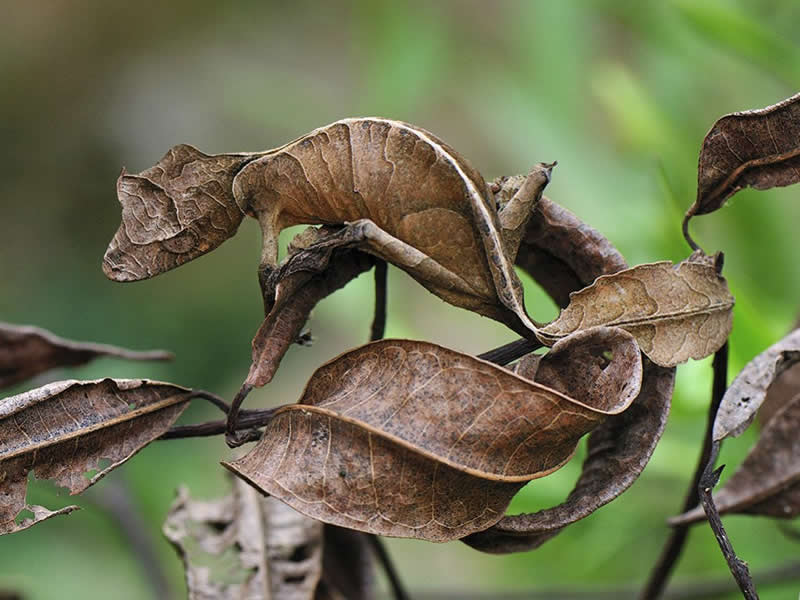
Photo by: Piotr Naskrecki
32. The bearded tit
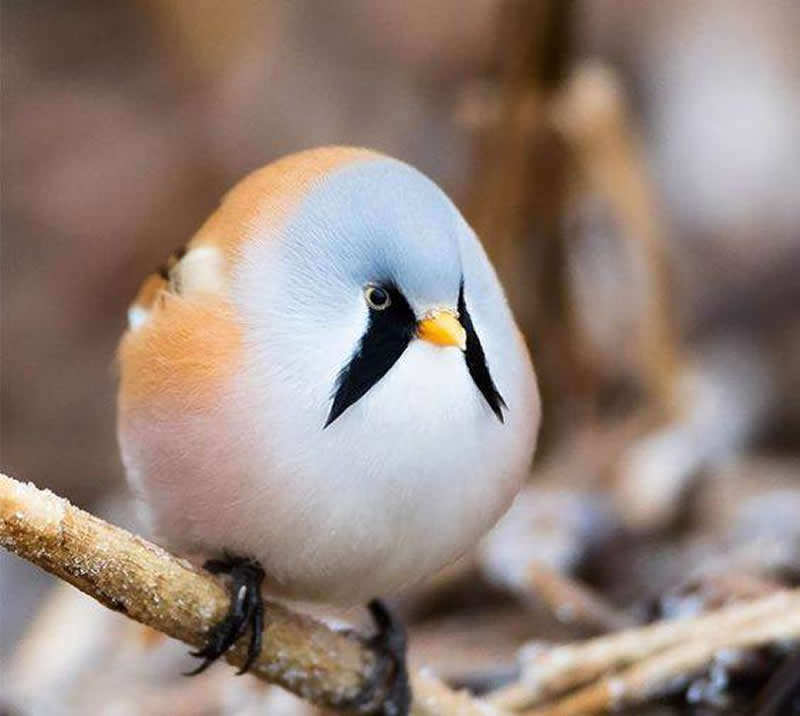
Photo by: David Drangsland
33. The yellow-banded pipefish
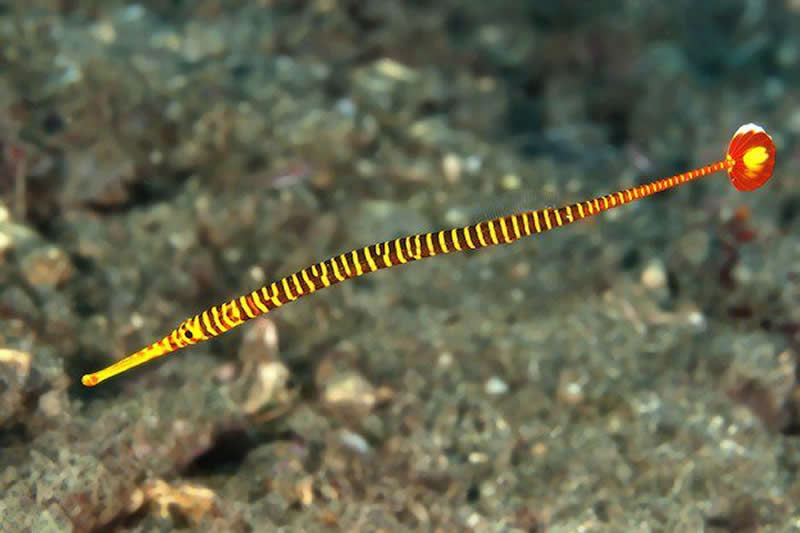
Photo by: Orlandin
34. The magnificent barred eagle owl can be found in Southeast Asia.
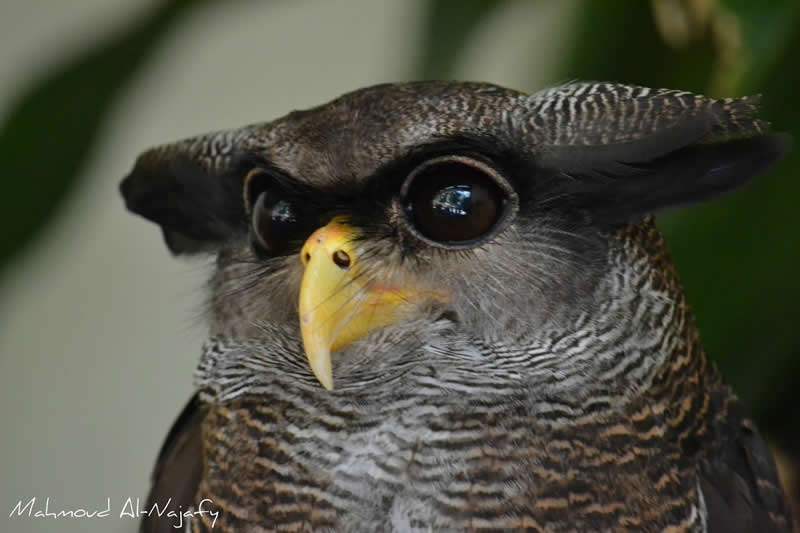
Photo by: Mahmoud Al-Najafy
35. The fluffy panda ant isn’t actually an ant, but a wingless wasp. They have an extremely painful sting that can last for 30 minutes.
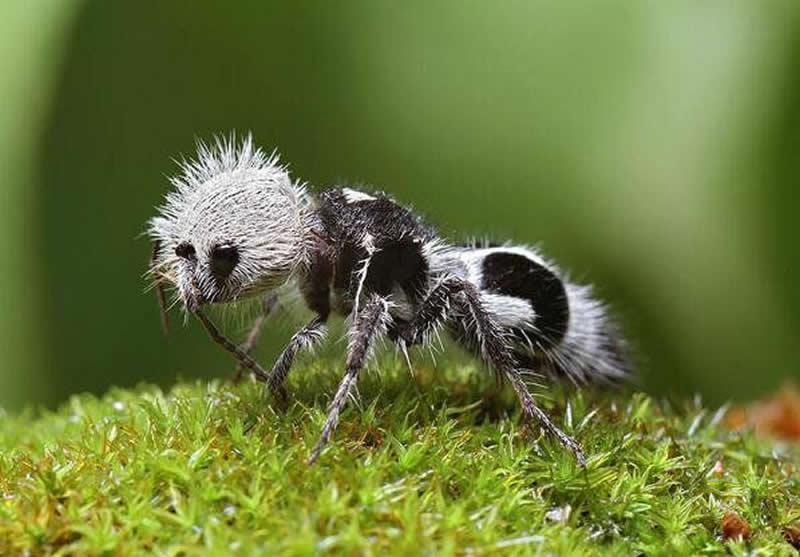
Photo by: Chris Lukhaup
FAQs:
What are strange animals?
Strange animals are rare or unusual creatures with bizarre appearances, behaviors, or survival abilities. These animals often evolve unique features that help them adapt to extreme environments, making them among the most fascinating species in nature.
Why do some animals look so unusual?
Animals develop strange appearances through evolution and adaptation. Features like camouflage, glowing skin, unusual body shapes, or extreme movement abilities help them survive predators, attract mates, hunt food, or adapt to difficult environmental conditions.
Can bats really swim?
Yes, some bats can swim when necessary. Although they are flying mammals, certain species use paddling movements with their wings and bodies to move through water, escape danger, or reach nearby surfaces safely.
What makes baby cuttlefish so unique?
Baby cuttlefish are famous for their intelligence, color-changing abilities, and adorable appearance. Even at a young age, they can instantly camouflage themselves, communicate through color patterns, and adapt quickly to their underwater surroundings.
Where can people discover more strange animals online?
Wildlife pages like Strange Animals on X regularly share fascinating photos, videos, and facts about rare creatures, strange plants, fungi, and unusual natural wonders from around the world.