When you hear the name Carlos Saura, most people instantly think of cinema, but here’s the real twist: before he became a legendary filmmaker, he was already seeing the world through a photographer’s eye. Born in 1932 in Huesca, Spain, Saura grew up during one of the most intense periods in Spanish history, and that raw reality shaped everything he created.
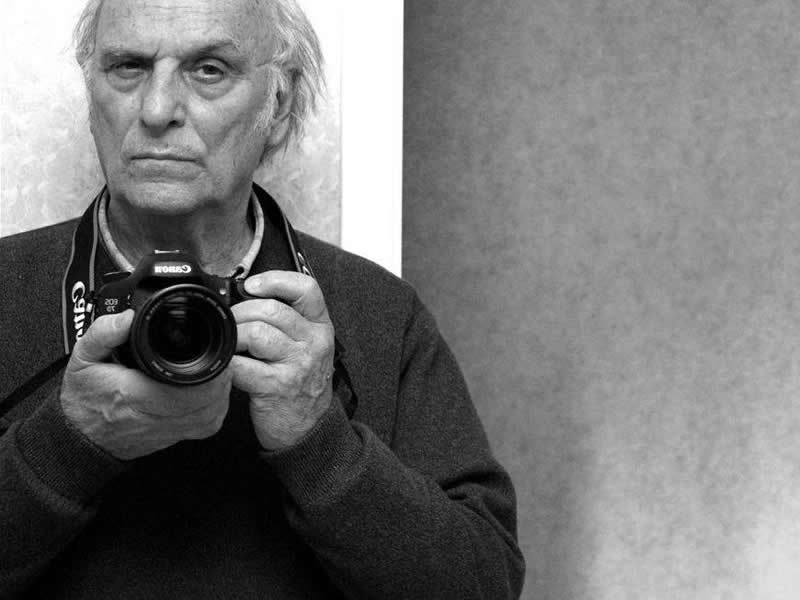
Long before directing iconic films like Cría Cuervos, he was documenting life with a camera, capturing Spain during the Franco era with honesty, grit, and emotion. His photography wasn’t just about aesthetics; it was about truth. Streets, faces, shadows, everything carried weight.
What’s fascinating is how his photographic vision seamlessly bled into his films. The way he used light, composition, and human emotion in cinema? That all started with still images. His work feels deeply personal, almost like a visual diary of Spain’s cultural identity.
Saura wasn’t just switching between mediums; he was blending them. Photography and film became two sides of the same creative language. Even decades later, his archive stands as a powerful reminder that storytelling doesn’t always need motion. Sometimes, a single frame says it all.
You can find Carlos Saura on the web:
#1
#2
#3
#4
#5
The Early Years: A Photographer Before a Filmmaker
Carlos Saura’s journey into art didn’t begin on a film set; it started with a camera in hand. Growing up in post-war Spain, he found photography as a way to process the world around him. It became his escape, his voice, and his way of documenting reality.
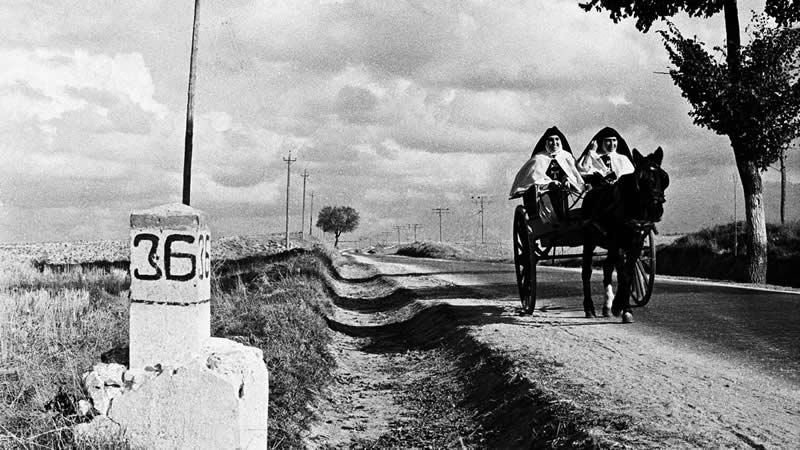
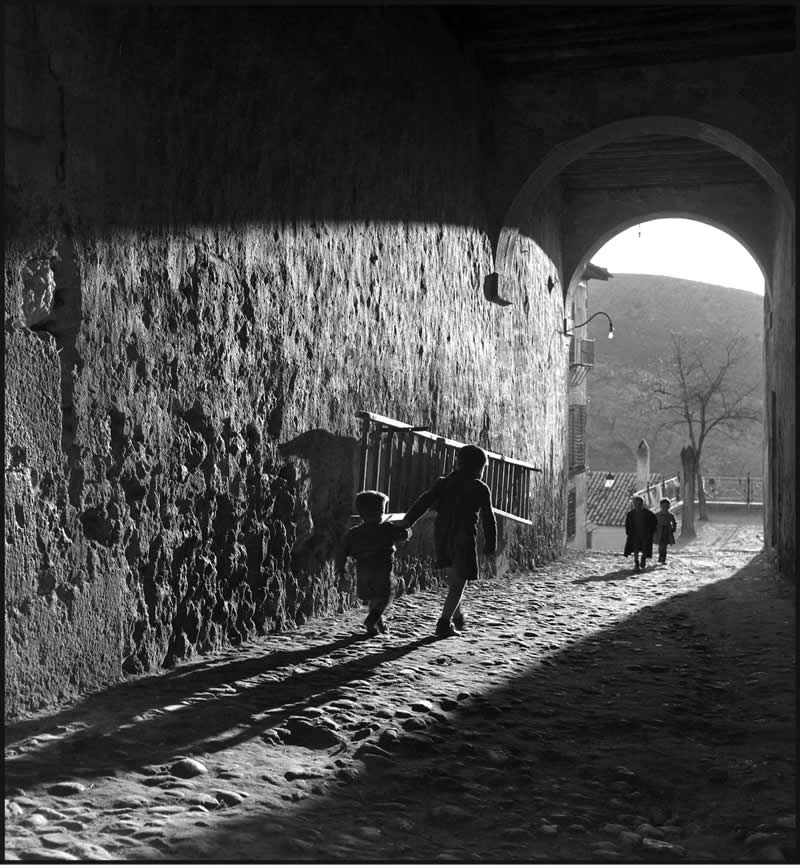
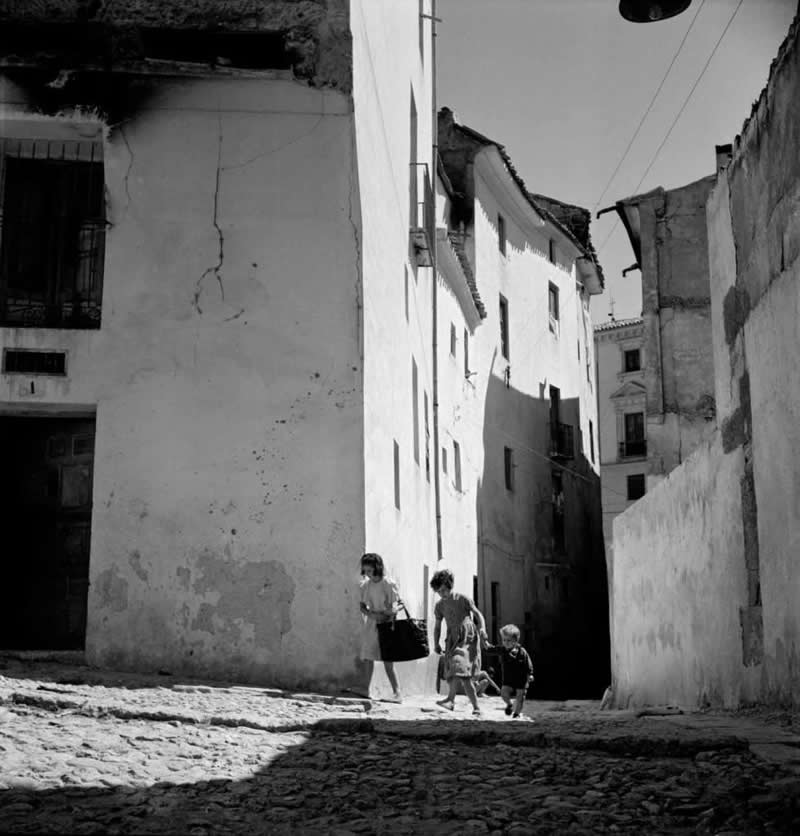
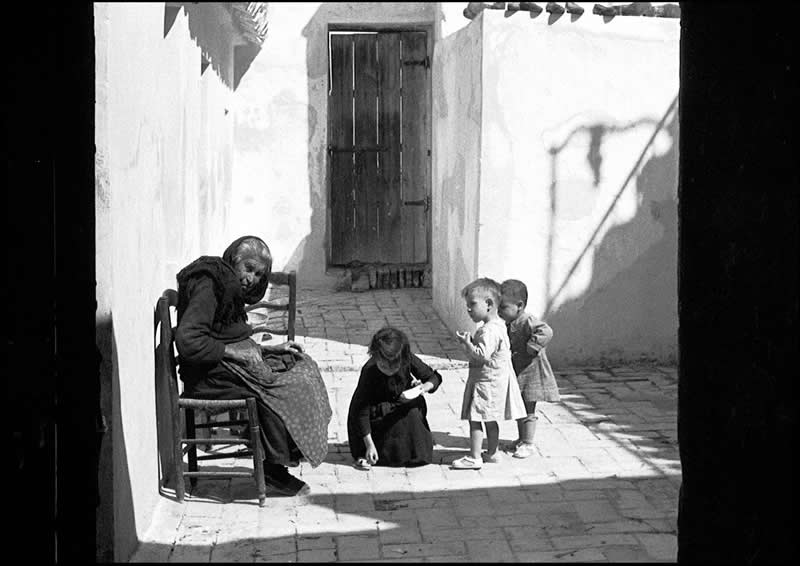
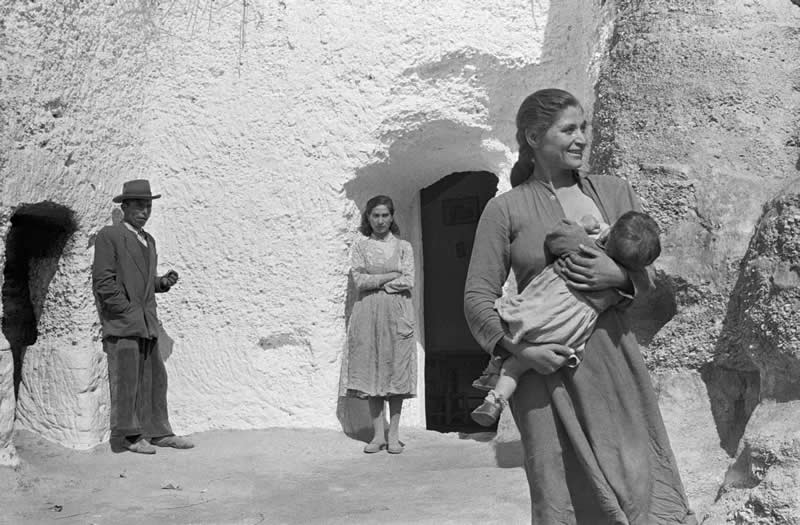
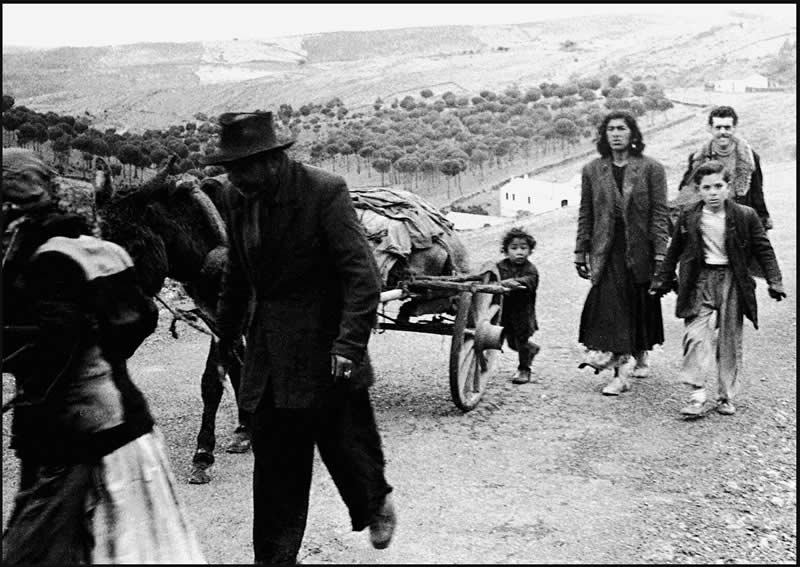
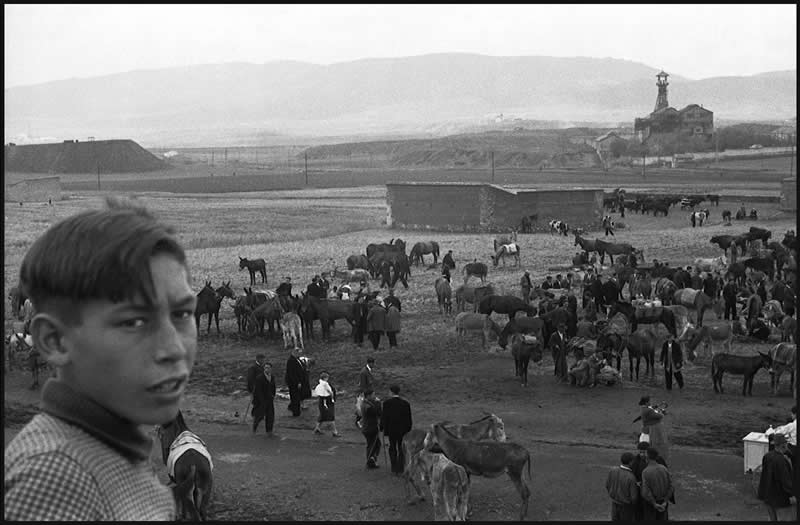
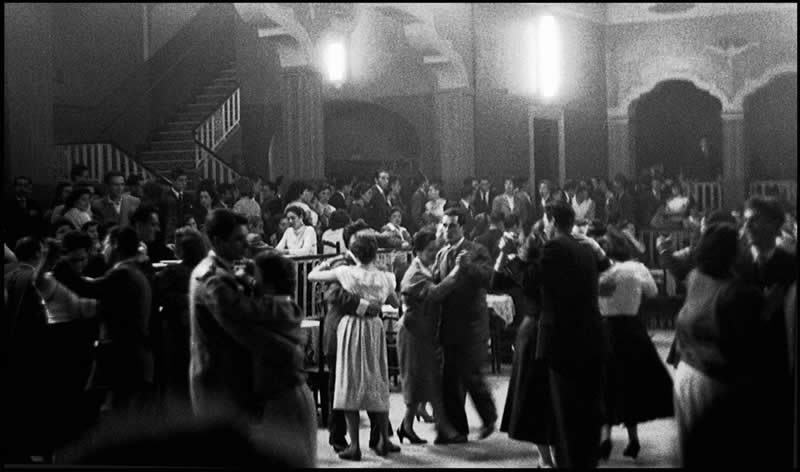
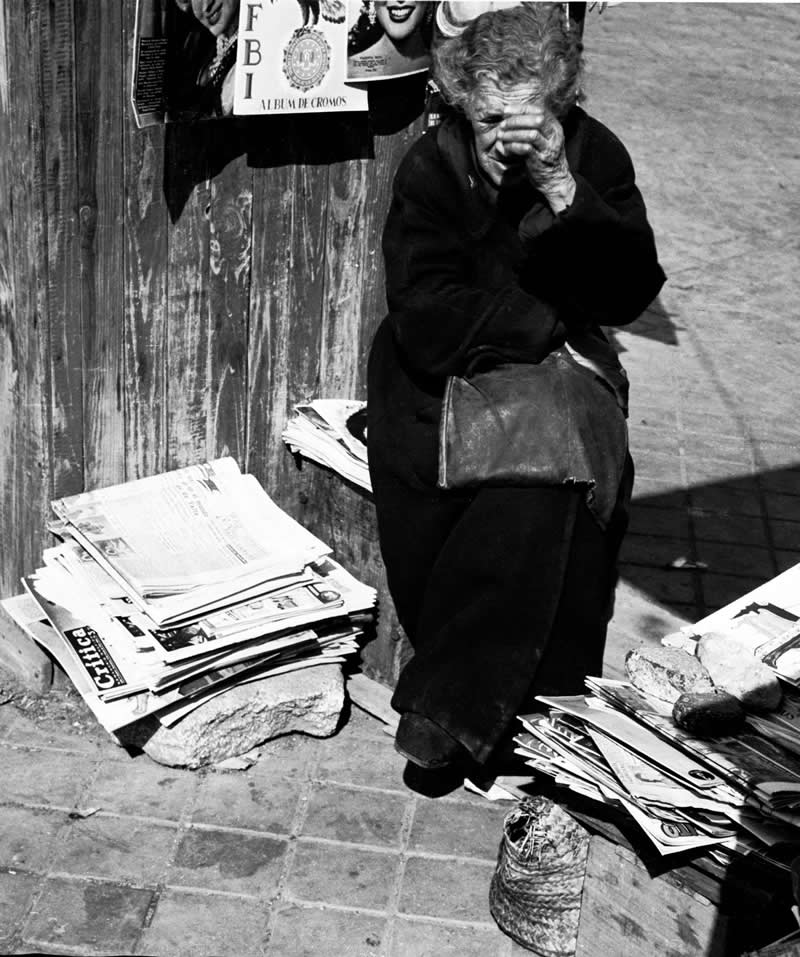
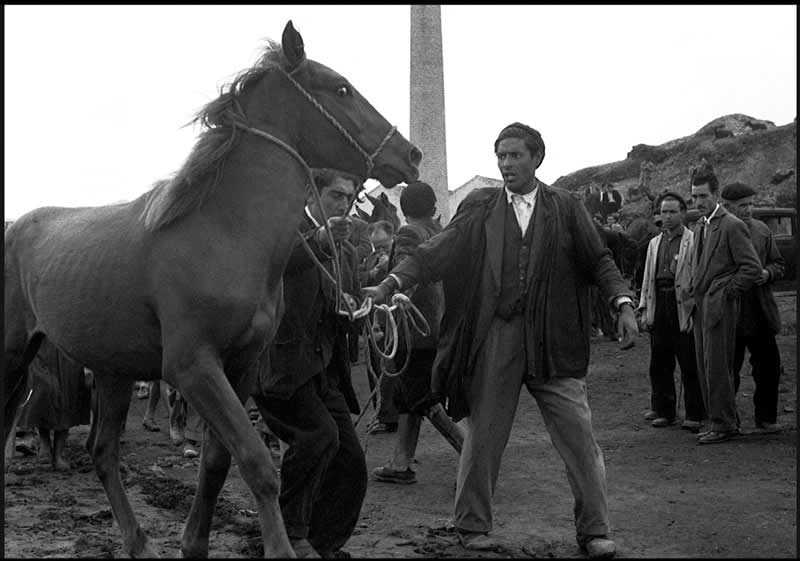
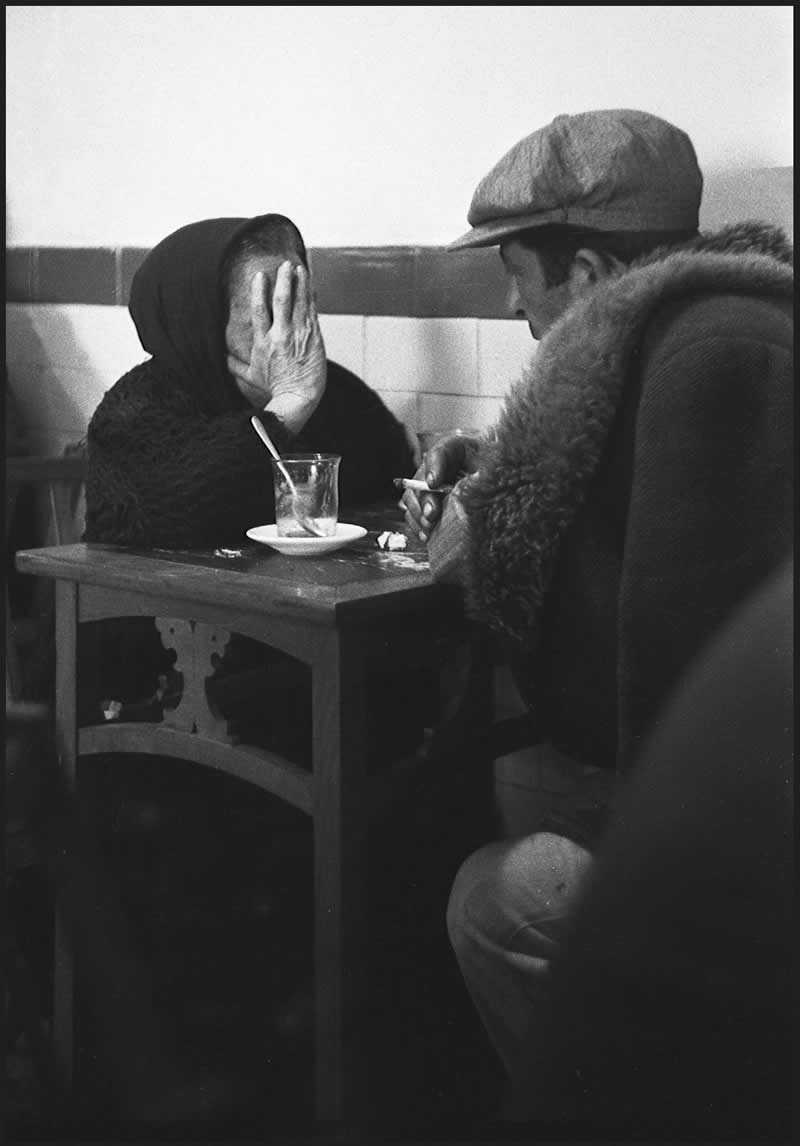
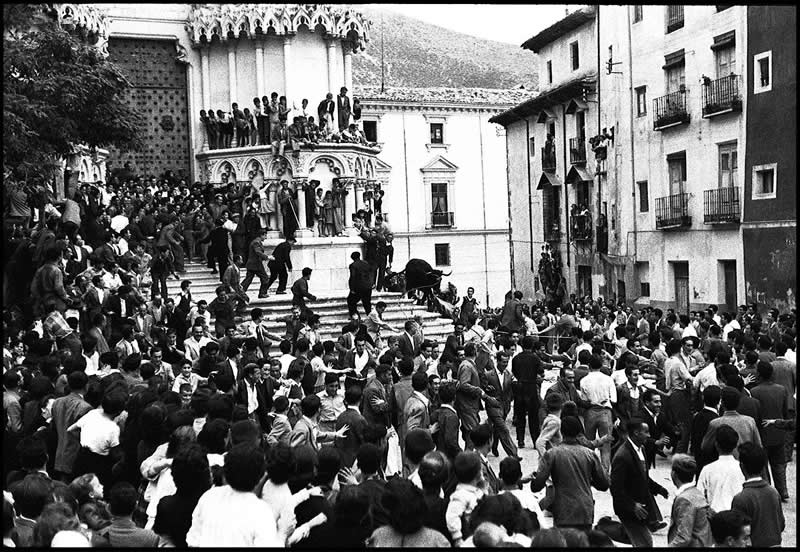
During the 1950s, Saura captured everyday life in Spain with striking honesty. His images weren’t polished or staged; they were raw, direct, and deeply human. This period laid the foundation for his artistic identity.
What’s powerful is how early he understood composition and storytelling. Even in his photographs, you can see a cinematic eye framing, light, and emotion working together. Before he ever directed actors, he was already directing attention through the lens.
#6
#7
#8
#9
#10
Documenting Spain: A Visual Archive of the Franco Era
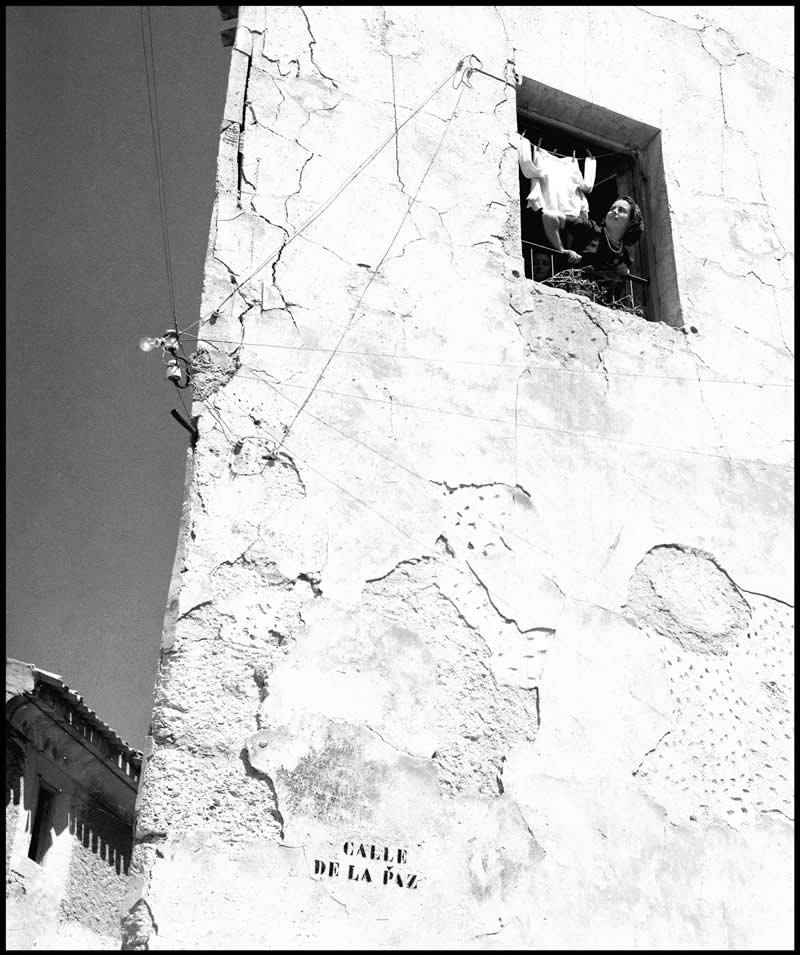
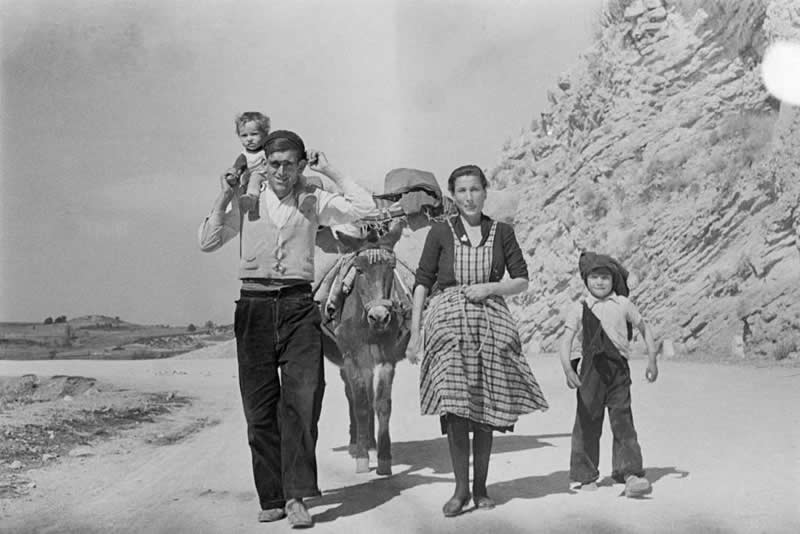
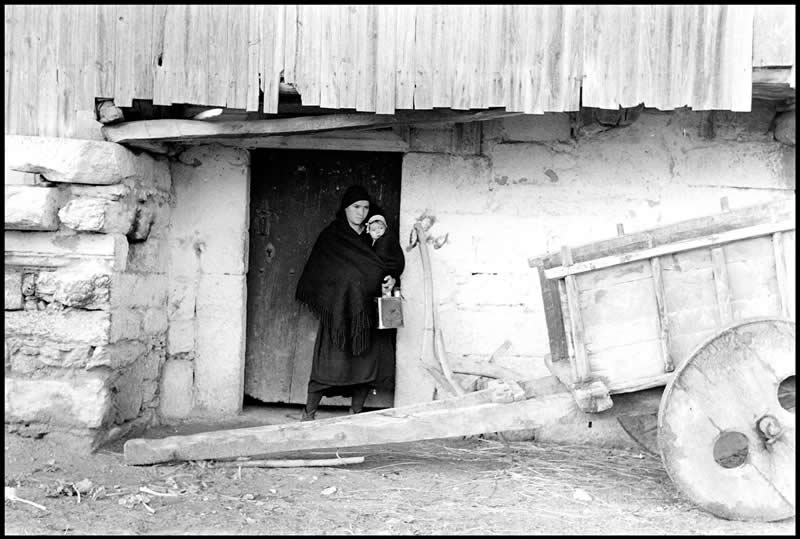
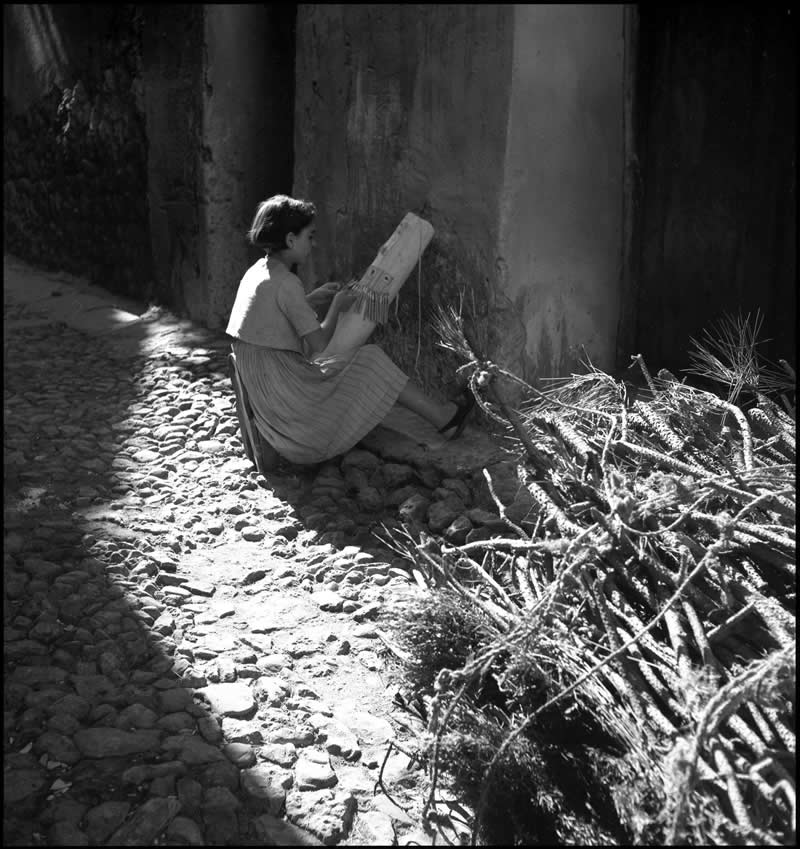
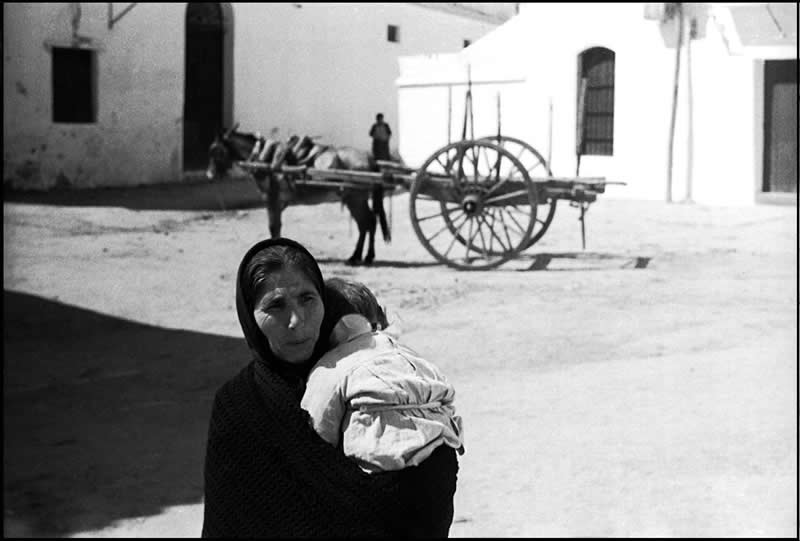
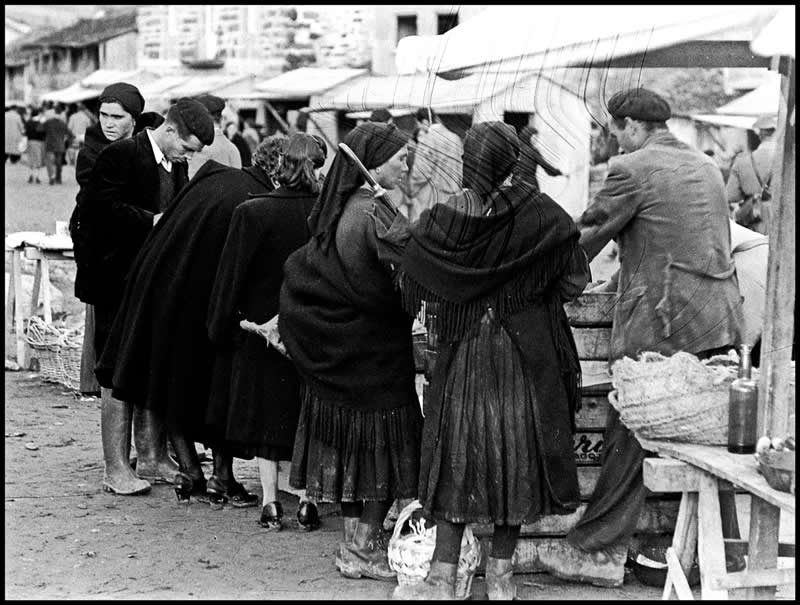
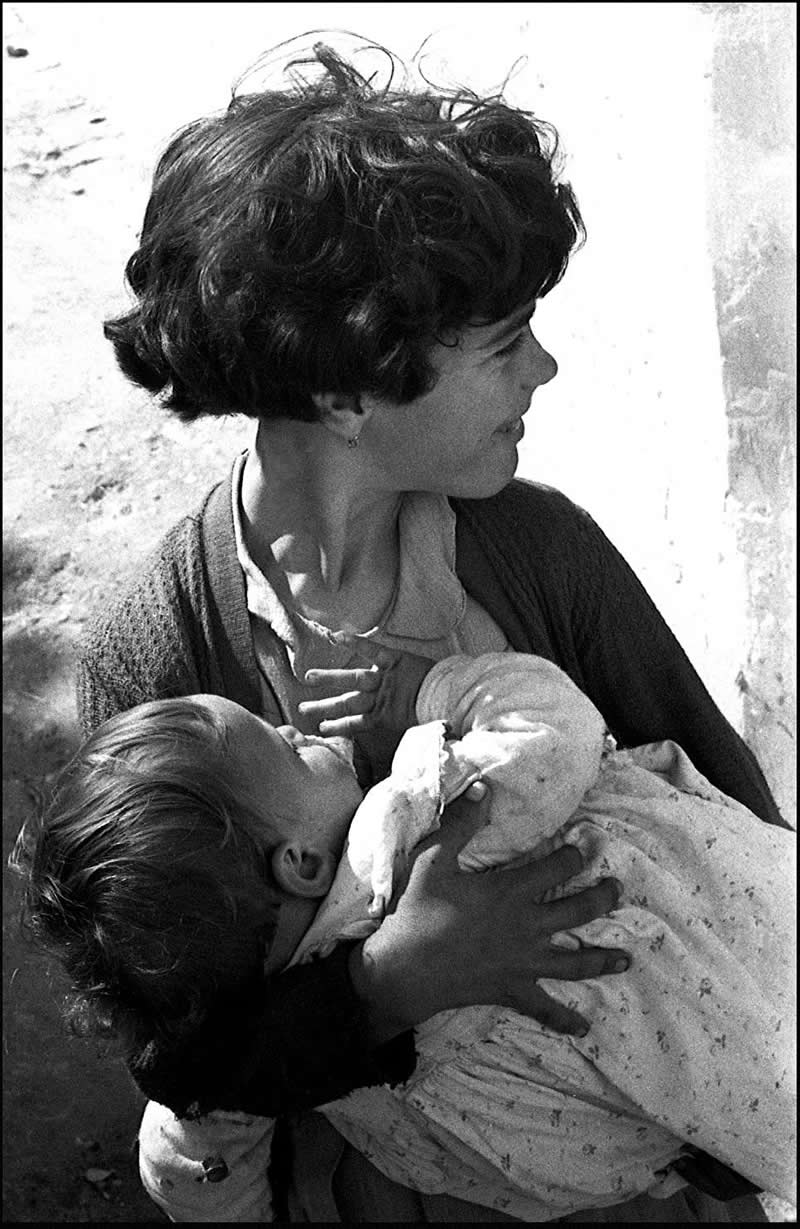
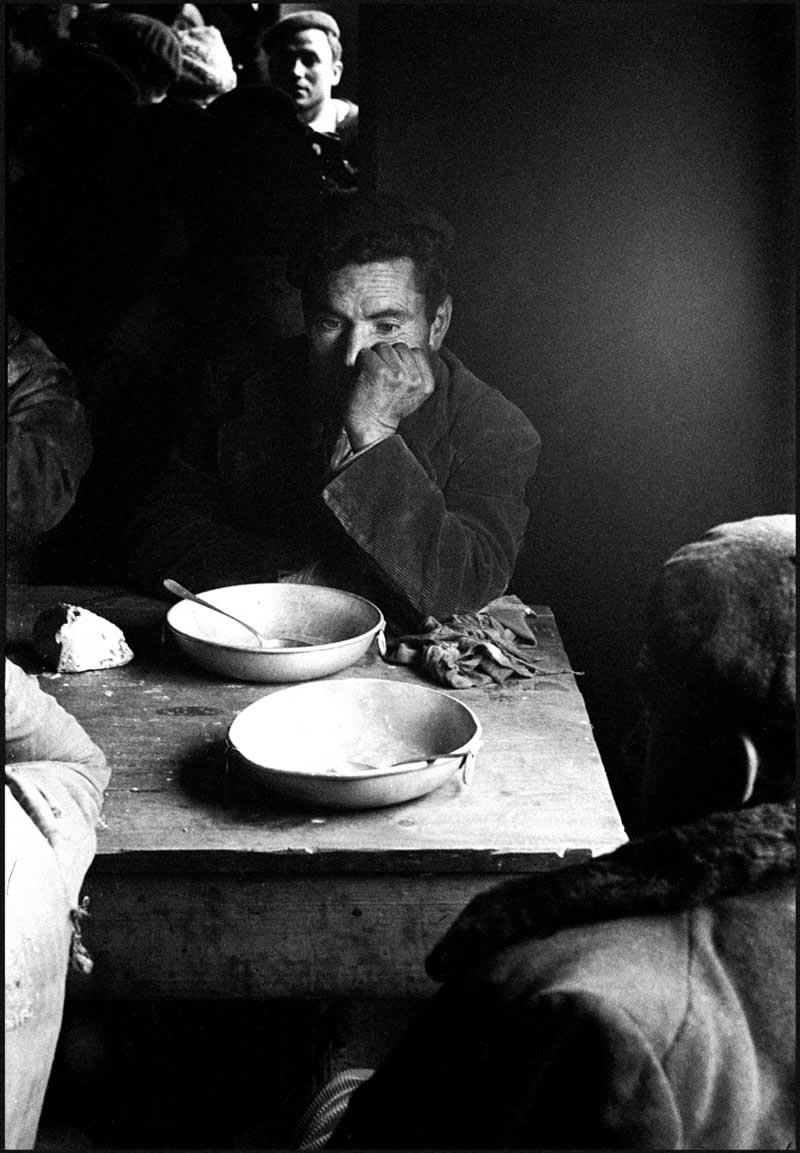
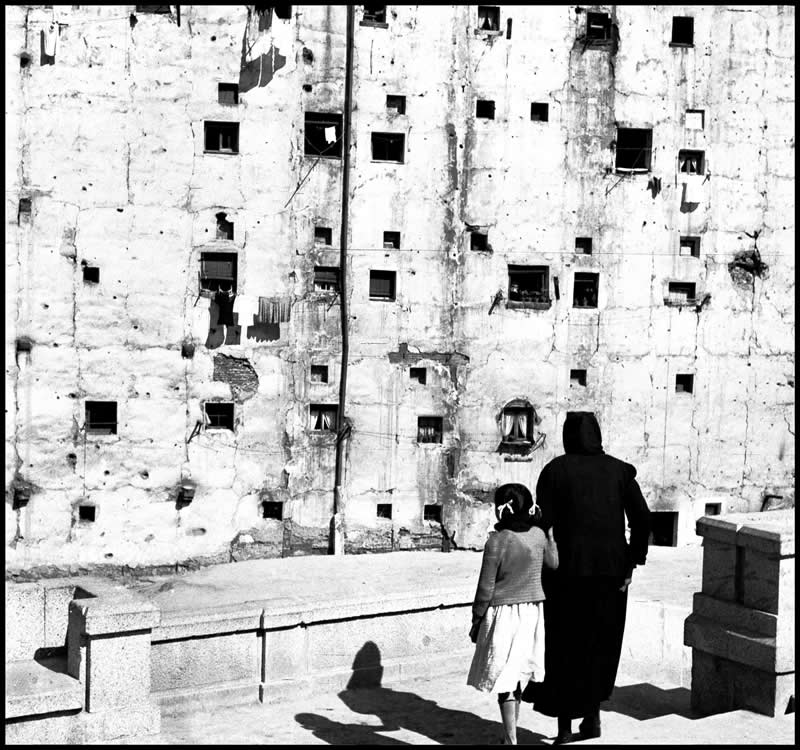
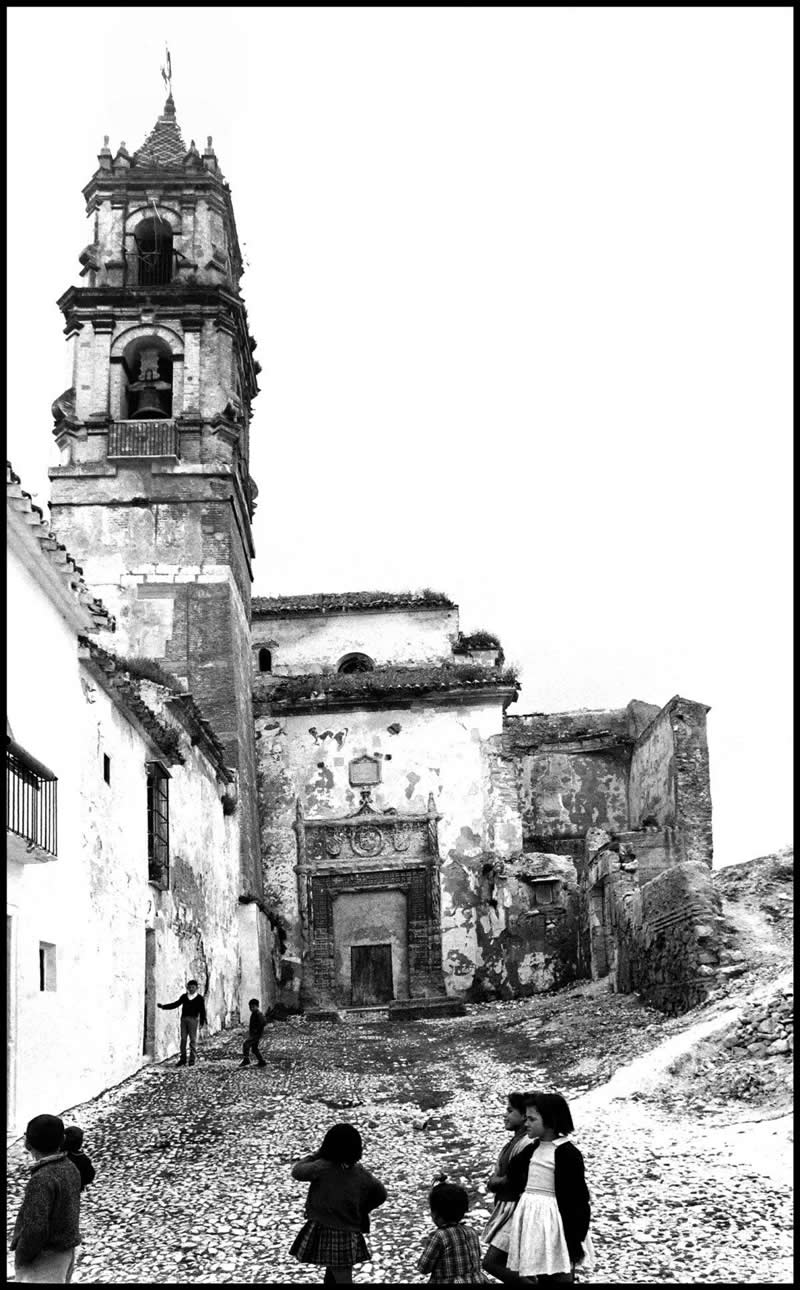
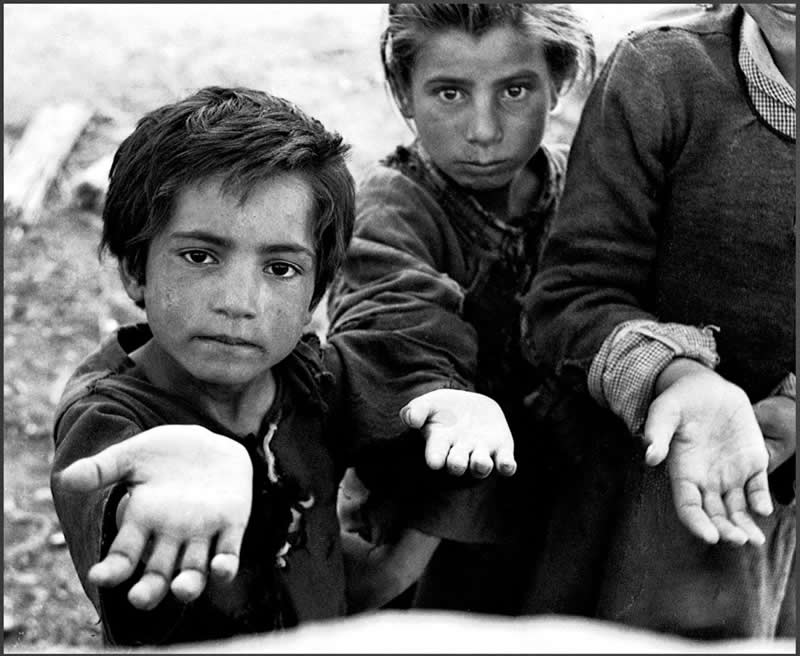
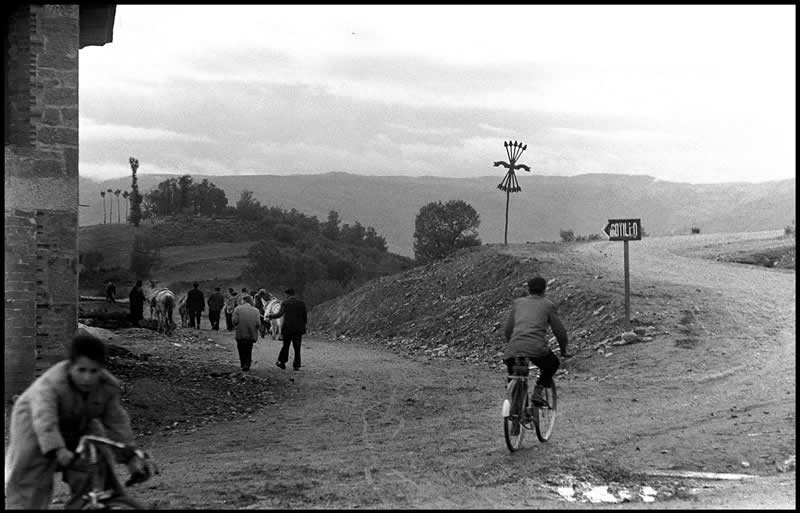
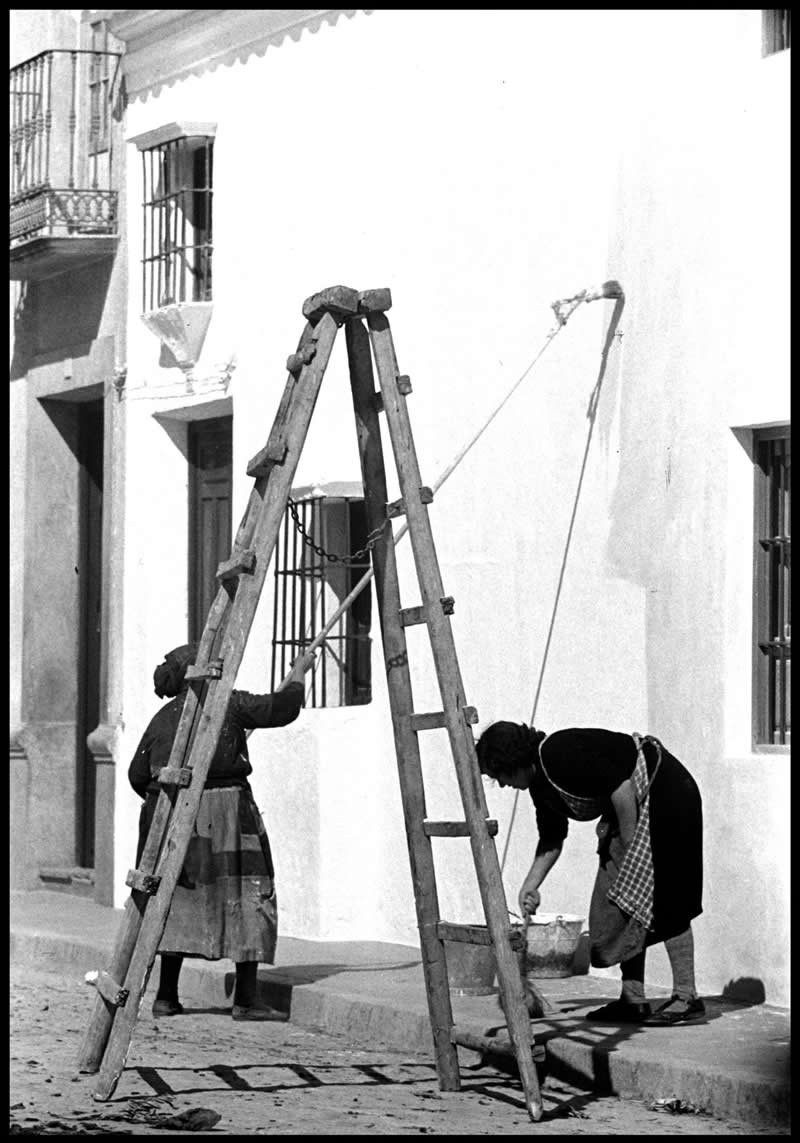
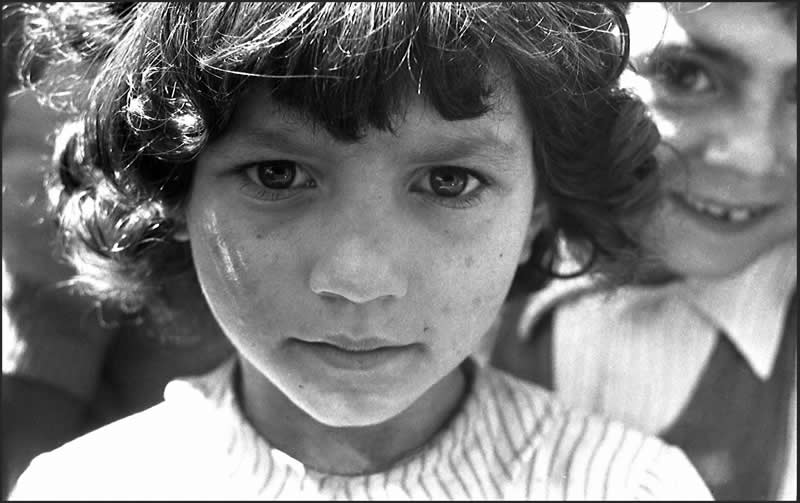
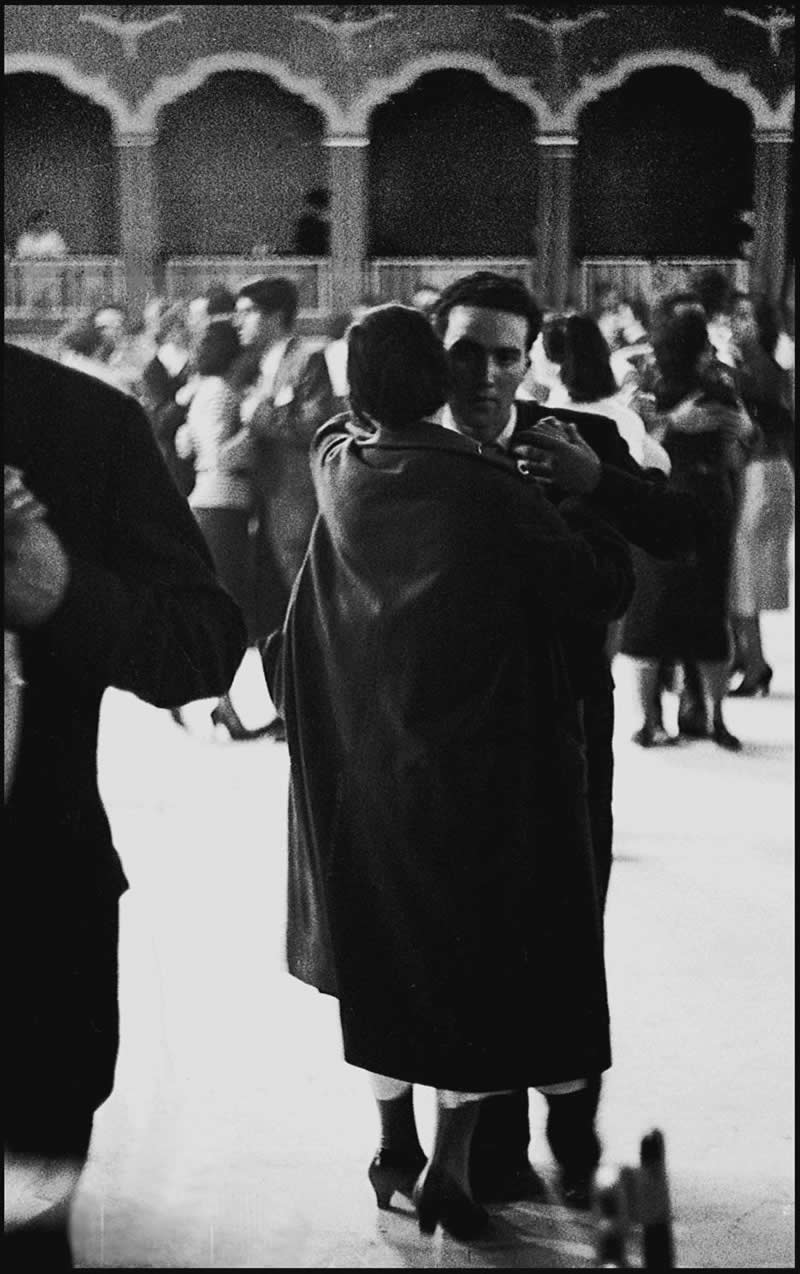
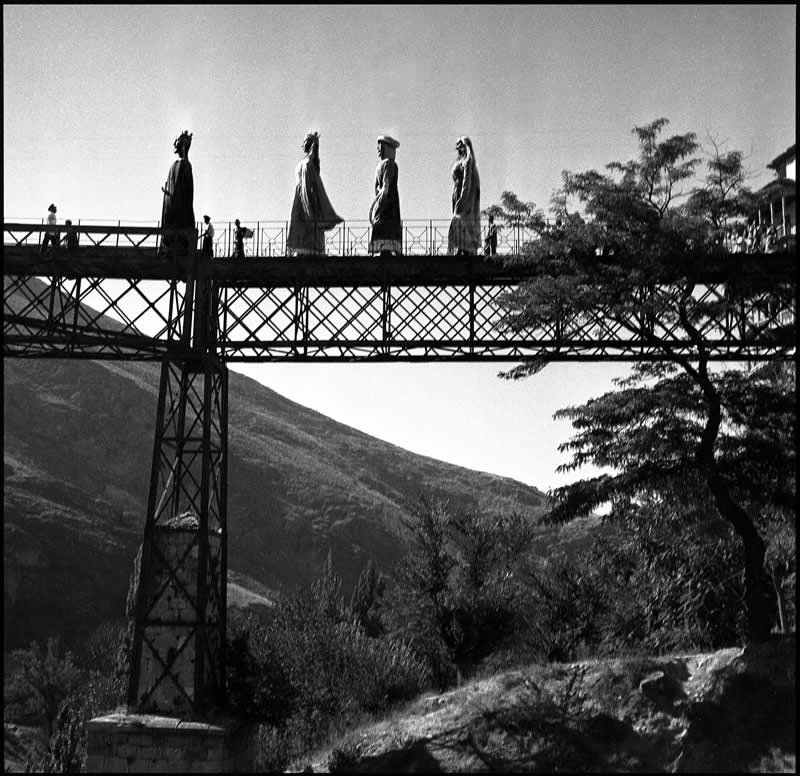
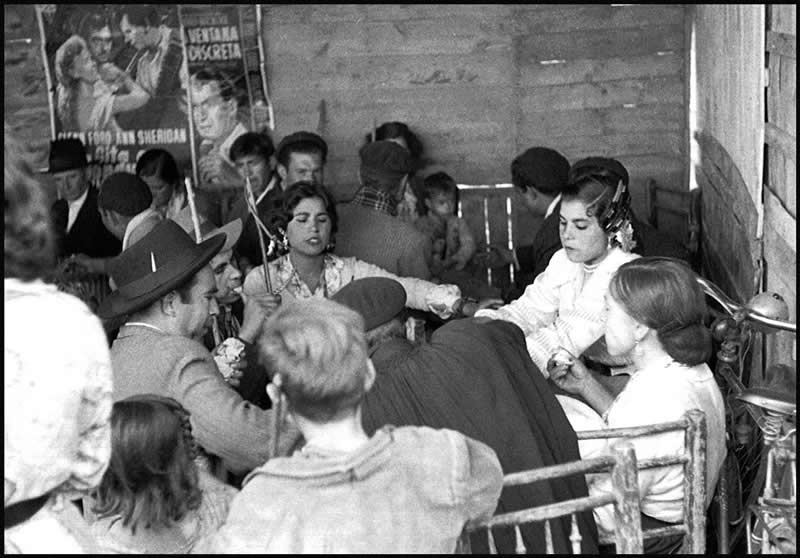
Saura’s photography stands as one of the most important visual records of Spain during the Franco regime. His work from this era, especially in projects like España años 50, captures a country in transition quietly, honestly, and without filters.
He didn’t romanticize reality. Instead, he showed it as it was, people navigating everyday life under political and social pressure. There’s a sense of stillness in his images, but also tension beneath the surface.
These photographs go beyond art; they’re historical documents. Through faces, streets, and subtle gestures, Saura tells stories that words often can’t. His ability to balance documentary truth with artistic composition makes this body of work timeless and deeply impactful.
#11
#12
#13
#14
#15
From Still Frames to Moving Images
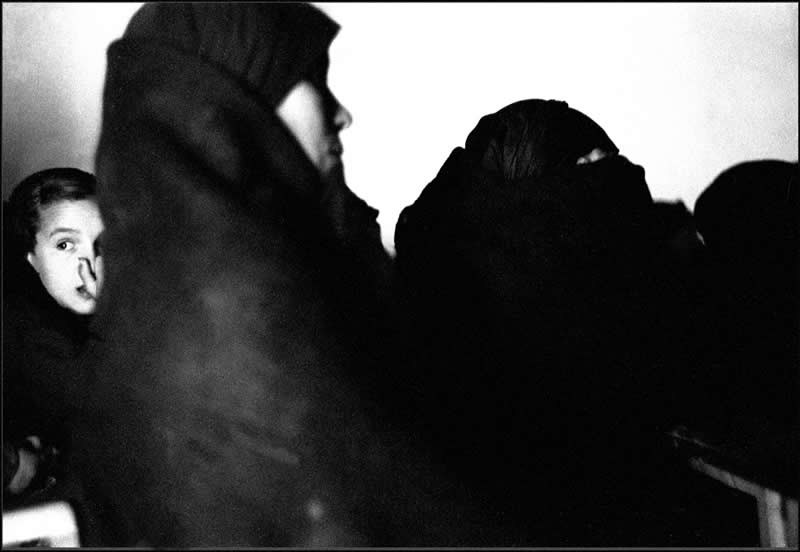
When Saura transitioned into filmmaking, he didn’t leave photography behind he brought it with him. His films feel like a sequence of carefully crafted photographs, each frame intentional and visually rich.
You can see his photographic roots in the way he handles light, shadow, and space. Scenes unfold like compositions, not just narratives. This is especially evident in films like Cría Cuervos and his flamenco trilogy, where visual rhythm plays a huge role.
For Saura, cinema wasn’t just about movement; it was about moments. And those moments were built from the same principles he developed as a photographer. That’s what makes his work so visually distinctive and emotionally layered.
#16
#17
#18
#19
#20
Blending Reality and Artifice
One of Saura’s most unique strengths was his ability to blur the line between reality and performance. In both photography and film, he played with the perception of what’s real, what’s staged, and what lies in between.
His behind-the-scenes photographs of film sets are a perfect example. They don’t just document the process; they reveal another layer of storytelling. Actors, lighting, and environments become part of a larger visual narrative.
This duality, documentary and theatrical, became his signature. He wasn’t interested in just capturing reality; he wanted to interpret it. That’s what gives his work depth. It invites viewers to look closer, to question, and to feel.
#21
#22
#23
#24
#25
A Legacy That Transcends Mediums
Carlos Saura’s impact goes far beyond photography or film; he redefined how the two could coexist. Over his lifetime, he published multiple photography books and earned global recognition, including the Golden Bear at the Berlin International Film Festival and prestigious Goya Awards.
Even in his later years, he remained creatively active, constantly exploring new ways to tell stories visually. His work bridges generations, styles, and mediums.
He passed away in 2023, just before receiving the Goya of Honor, but his legacy remains stronger than ever. Saura showed the world that, whether through a still frame or a moving image, storytelling is about vision, and his vision was unforgettable.
#26
#27
#28
#29
#30
FAQs:
Who was Carlos Saura?
Carlos Saura was a renowned Spanish filmmaker and photographer, born in 1932. While globally recognized for his films, he was also a lifelong photographer who documented Spain’s cultural and social reality with powerful visual storytelling.
What is Carlos Saura famous for in photography?
Saura is known for his photographic documentation of Spain during the Franco era. His work, especially in España años 50, captures everyday life with honesty, offering a deep sociological and artistic record of the country’s transformation.
How did photography influence Carlos Saura’s films?
Photography shaped Saura’s cinematic style, especially his use of light, composition, and framing. His films often feel like moving photographs, with each scene crafted with precision and emotional depth.
What awards did Carlos Saura receive?
Carlos Saura received numerous awards, including the Golden Bear at the Berlin International Film Festival and multiple Goya Awards. These honors recognize his contributions to cinema and visual storytelling over the decades.
What is Carlos Saura’s legacy?
Saura’s legacy lies in bridging photography and cinema. His work documents history while exploring artistic expression, inspiring generations of photographers and filmmakers to see storytelling as a blend of stillness and motion.