History often feels distant, tucked away in textbooks and documentaries. But every once in a while, a photograph comes along and changes everything. Suddenly, the past doesn’t seem so far away. The people, places, and events become real, relatable, and surprisingly familiar.
This collection of 40 powerful historical photos offers a fascinating journey through time. From everyday life on busy city streets to iconic moments involving presidents, inventors, military leaders, and world-changing events, these images capture history at its most human. You’ll see famous faces in candid moments, groundbreaking inventions taking shape, architectural marvels rising from the ground, and scenes from wars that forever altered the course of nations.
What makes these photographs so compelling isn’t just their historical value; it’s their ability to tell stories. A single frame can reveal emotion, determination, celebration, struggle, or hope. Whether it’s ordinary Americans going about their daily routines or world leaders standing at pivotal moments, every image offers a fresh perspective on the past.
As you explore these remarkable photographs, you’ll discover details often overlooked in history books. They remind us that history wasn’t lived by legends alone. It was experienced by real people with dreams, challenges, and lives not so different from our own. That’s what makes these images unforgettable: they connect us directly to the moments that shaped the world we know today.
#1. Kid watching Martin Luther King’s « I Have A Dream » Speech. Aug. 28, 1963.
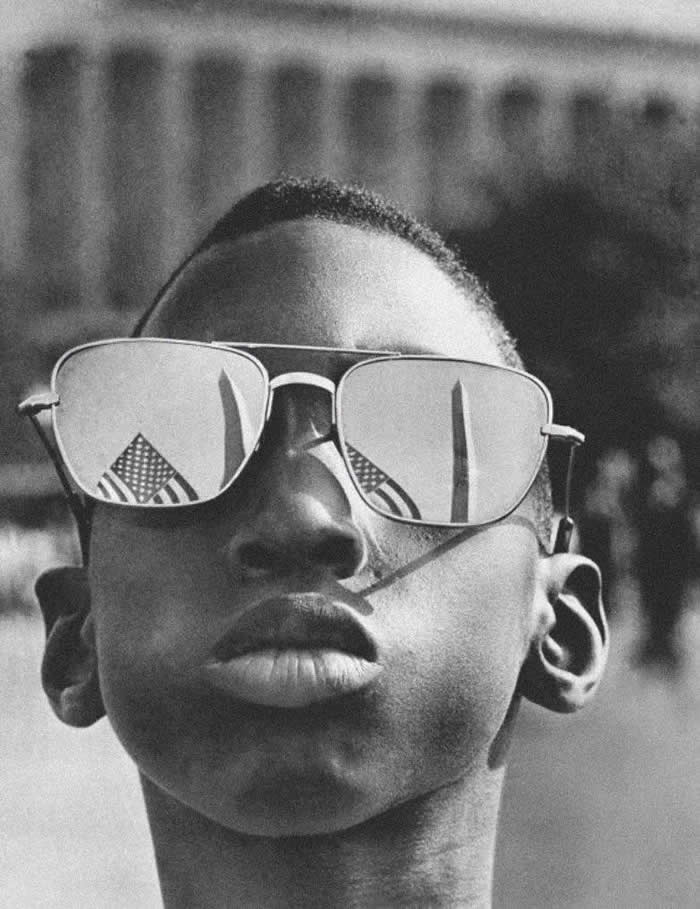
Image Source: Historic Photographs
#2. Tribal Chairman George Gillette weeping as Secretary of Interior J. A. Krug signs the contract for the Garrison Dam. 1948
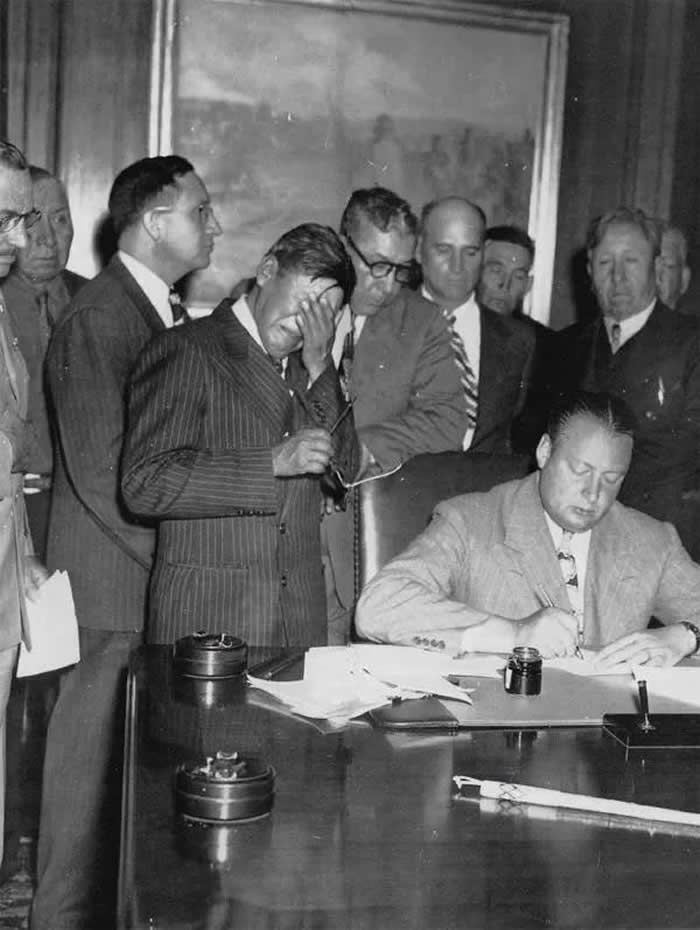
Image Source: Historic Photographs
#3. Telephone repair man working to find the problem in the network of cables under New York city, 1939.
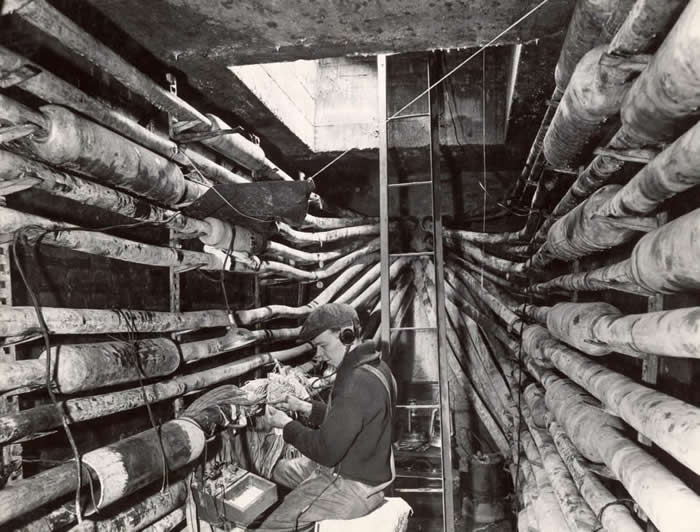
Image Source: Historic Photographs
#4. A picture from inside the home of a low income family living near Cincinnati, Ohio during the Great Depression. Hamilton County, Ohio, December 1935.
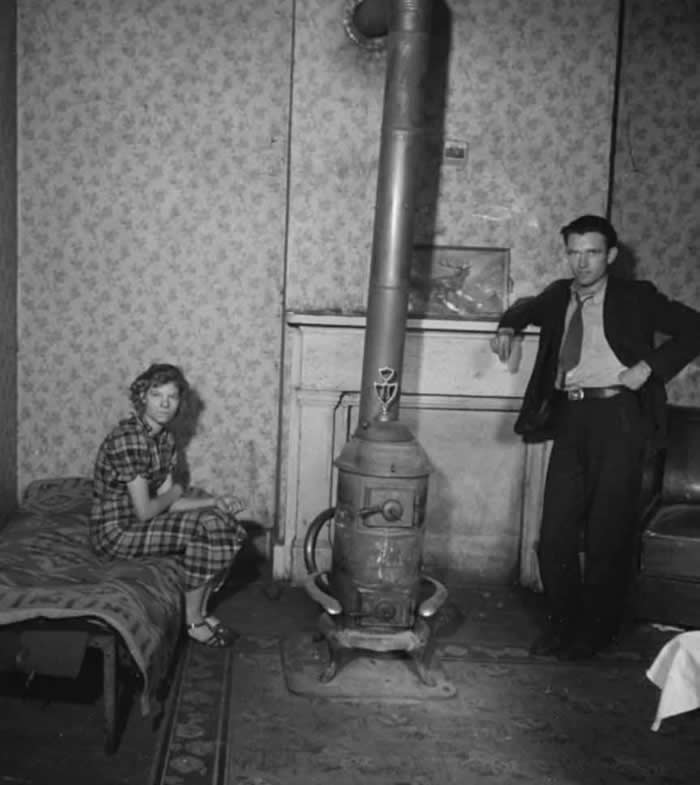
Image Source: Historic Photographs
#5. A survivor of the atomic bombing of Hiroshima photographed two years after the attack, Hiroshima, Japan, 1947.
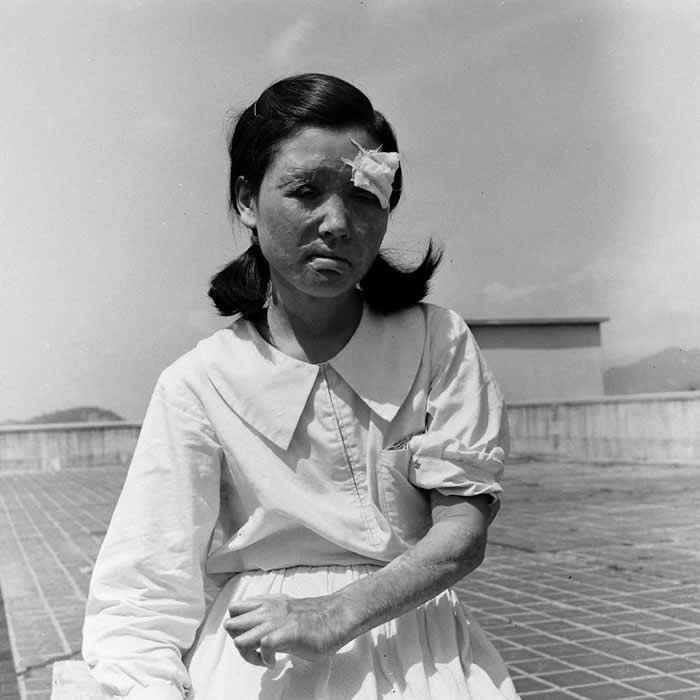
Image Source: Historic Photographs
#6. Pierre Laval, former Prime Minister of the Vichy French government, passionately pleads his case while on trial for treason at the Palais de Justice in Paris, France. August 1945. Laval was found guilty and exėcuted in October.
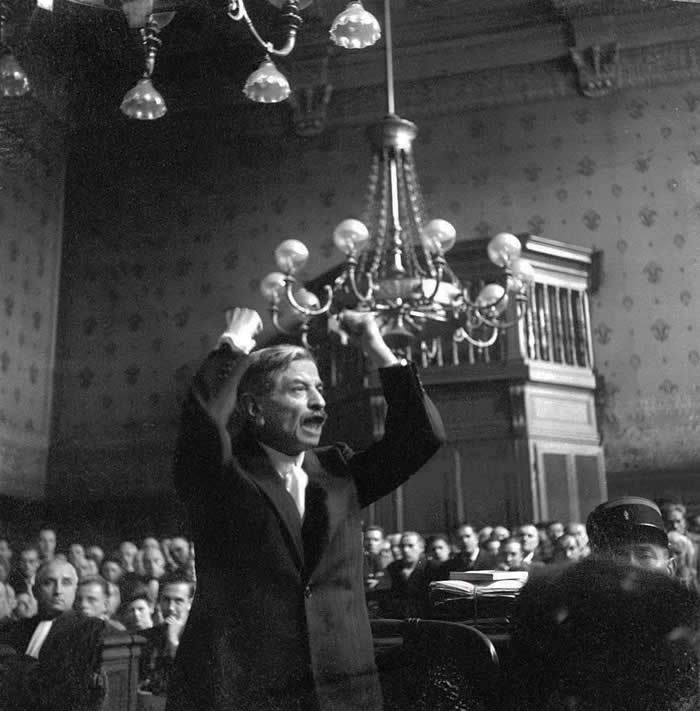
Image Source: Historic Photographs
#7. Crown Prince Wilhelm of Germany (1882-1951) and his daughter Princess Alexandrine. Princess Alexandrine was born with Down syndrome. (1916)
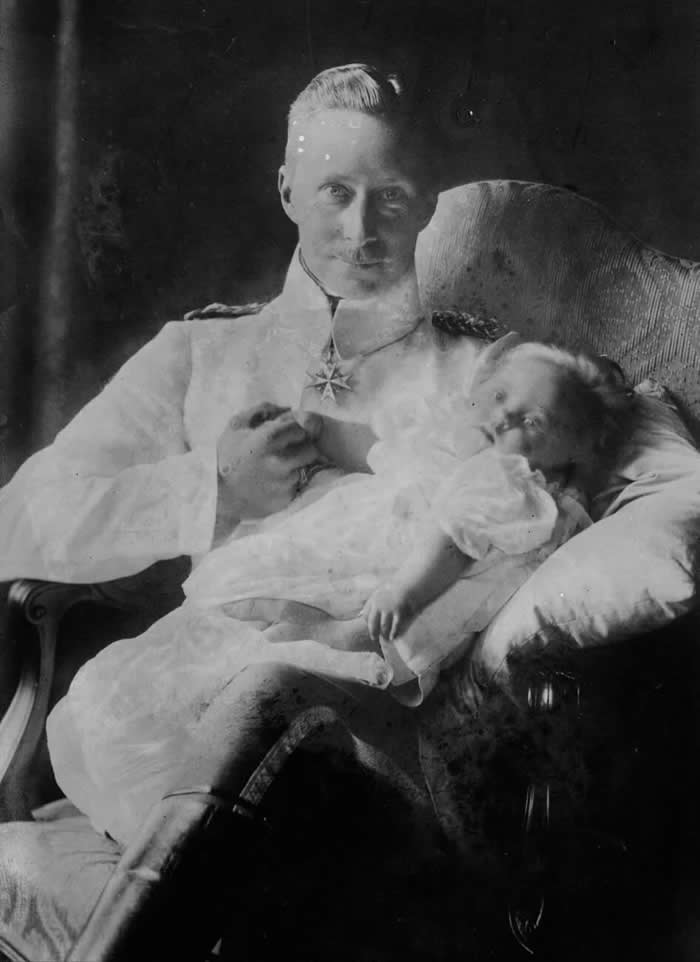
Image Source: Historic Photographs
#8. Princess Grace of Monaco visiting JFK at the White House, 1961.
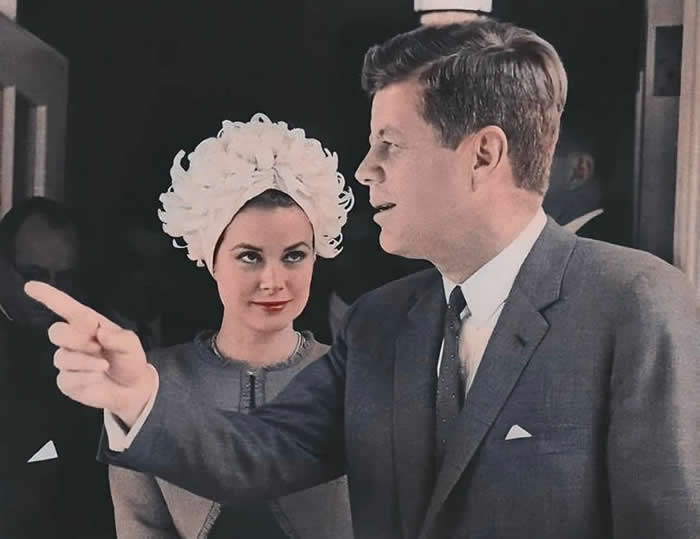
Image Source: Historic Photographs
#9. Last photo of Lady Diana and Prince William in August of 1997.
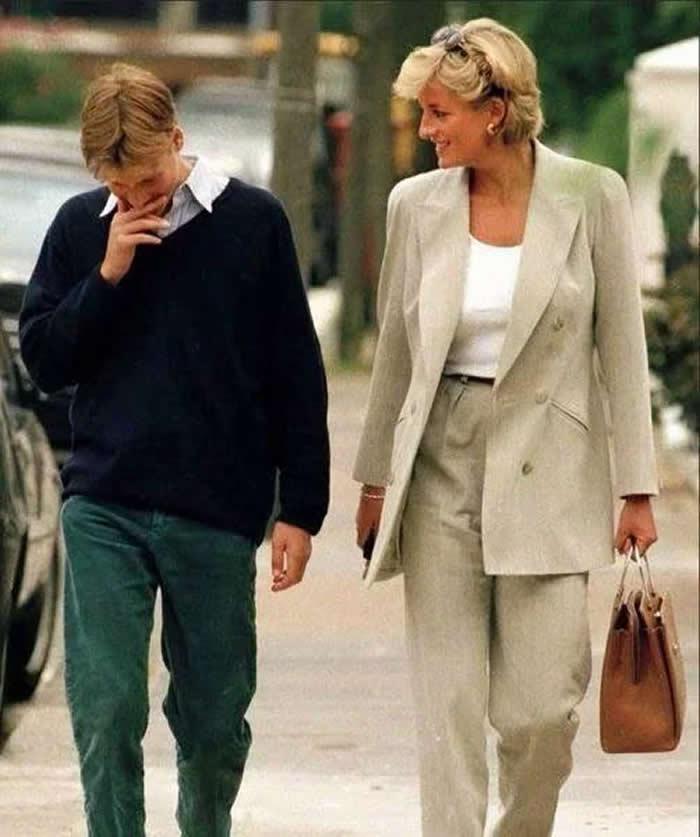
Image Source: Historic Photographs
#10. Television glasses in 1963
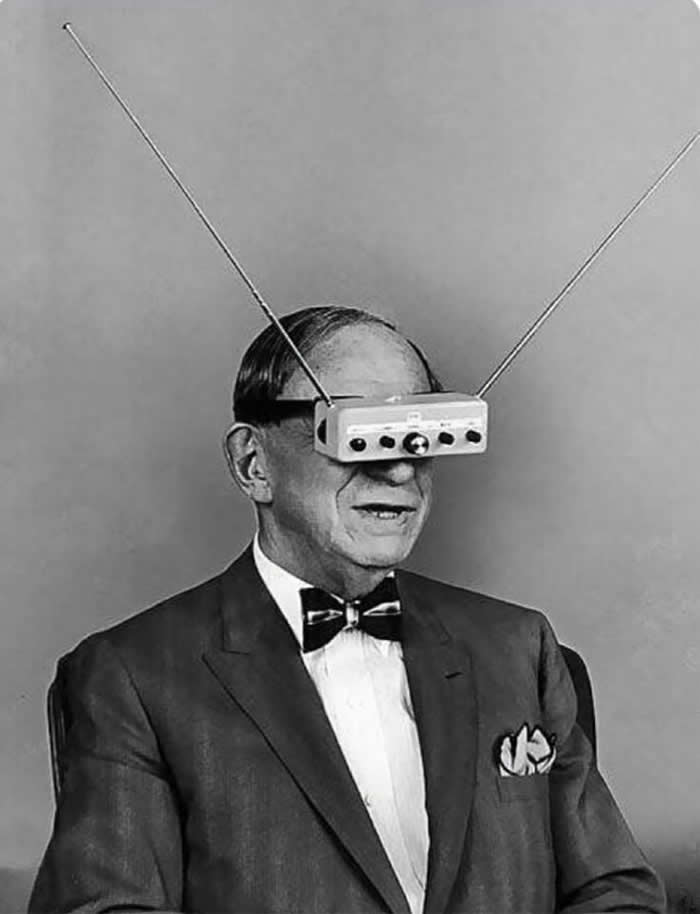
Image Source: Historic Photographs
#11. J. Robert Oppenheimer lectures at Kyoto University on September 14, 1960 in Kyoto, Japan
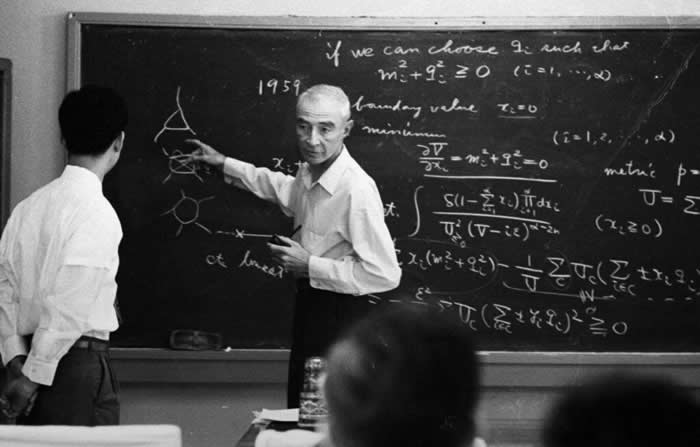
Image Source: Historic Photographs
#12. A British soldier scolding a German civilian for laughing at a screening of concentration camp conditions. She was ordered to rewatch the film. (May 1945)
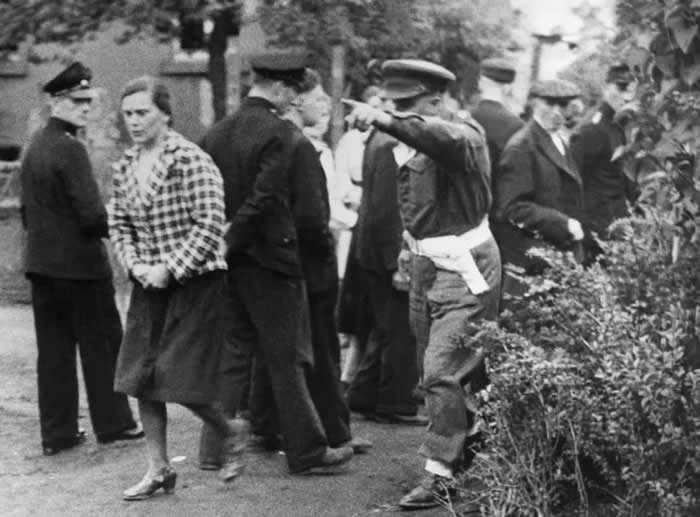
Image Source: Historic Photographs
#13. Former first lady Jackie Kennedy, who lost her husband in 1963, offers her condolences to Coretta Scott King at Martin Luther King Jr.’s funeral. April 9, 1968.
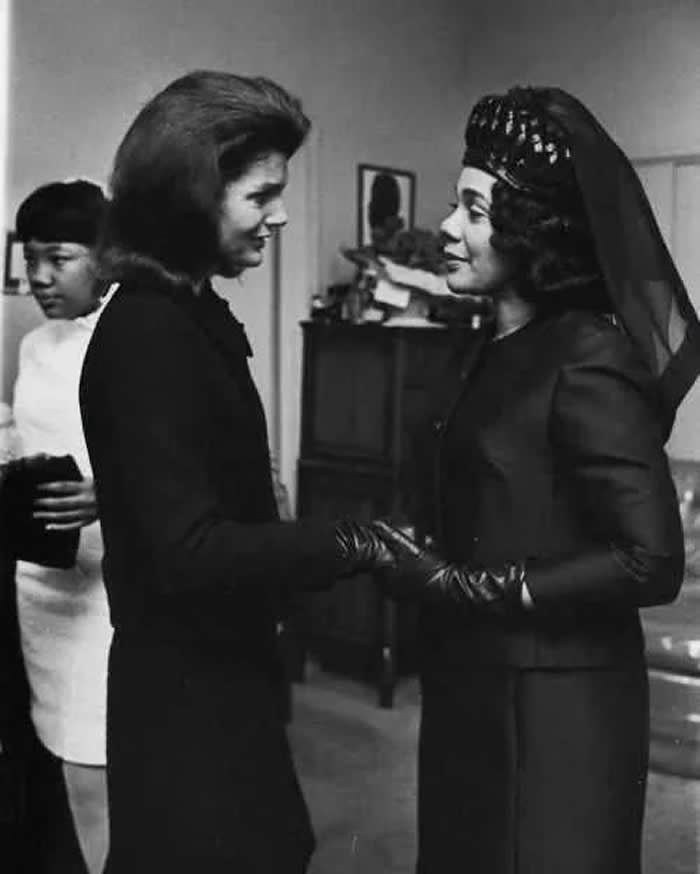
Image Source: Historic Photographs
#14. An open air school in 1957, Netherlands
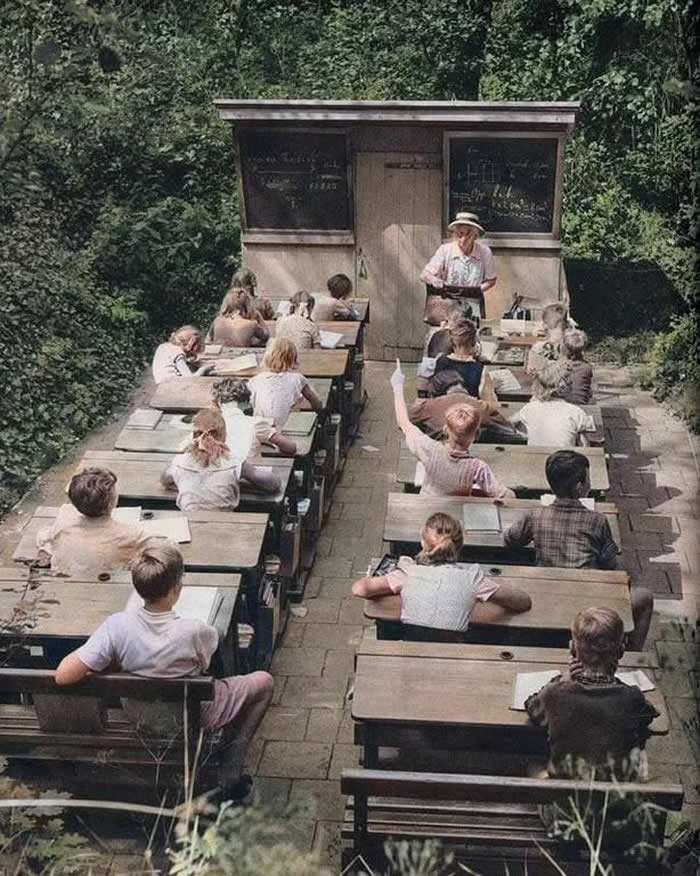
Image Source: Historic Photographs
#15. Smokey’ Buchanan from the West Palm Beach police force, measuring the bathing suit of Betty Fringle on Palm Beach, to ensure that it conforms with regulations introduced by the beach censors.
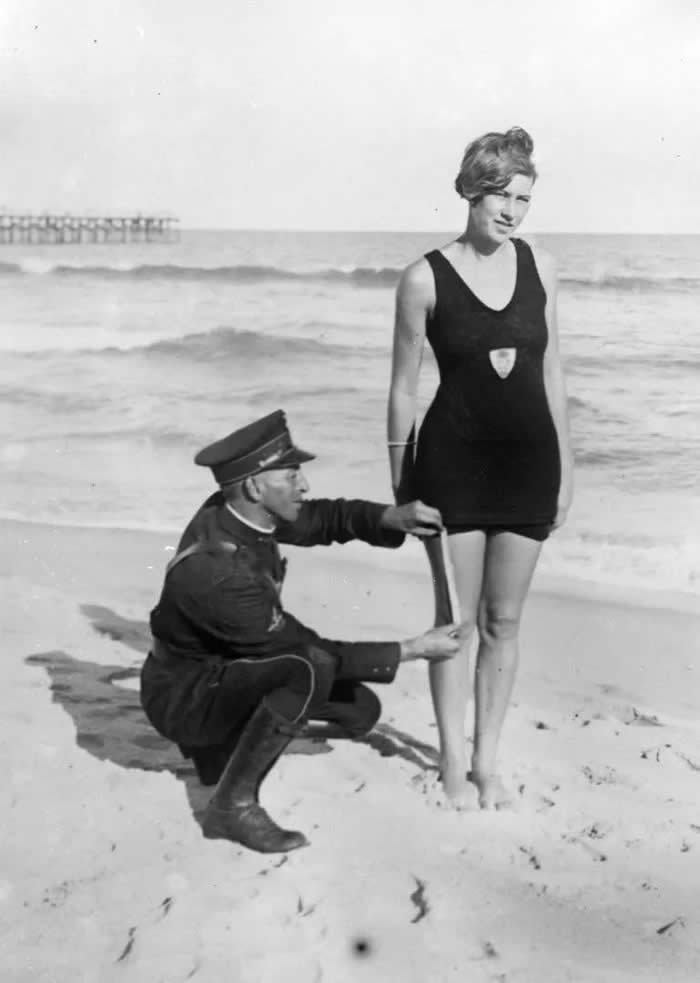
Image Source: Historic Photographs
#16. Women were advised to take off their high heels before using the escalator at Gimbel’s Department Store. Paramus, New Jersey. (1966)
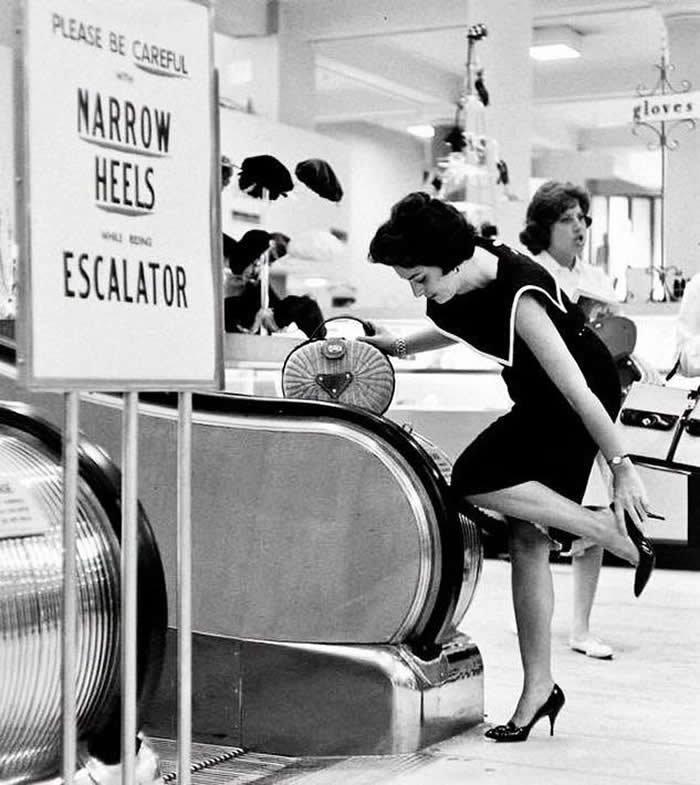
Image Source: Historic Photographs
#17. A woman holds a sign reading, “Our boss owns 77 houses, we can’t pay rent.” Taken in 1938 in Richmond, Virginia, this photo shows her picketing for higher wages while working at a tobacco company.
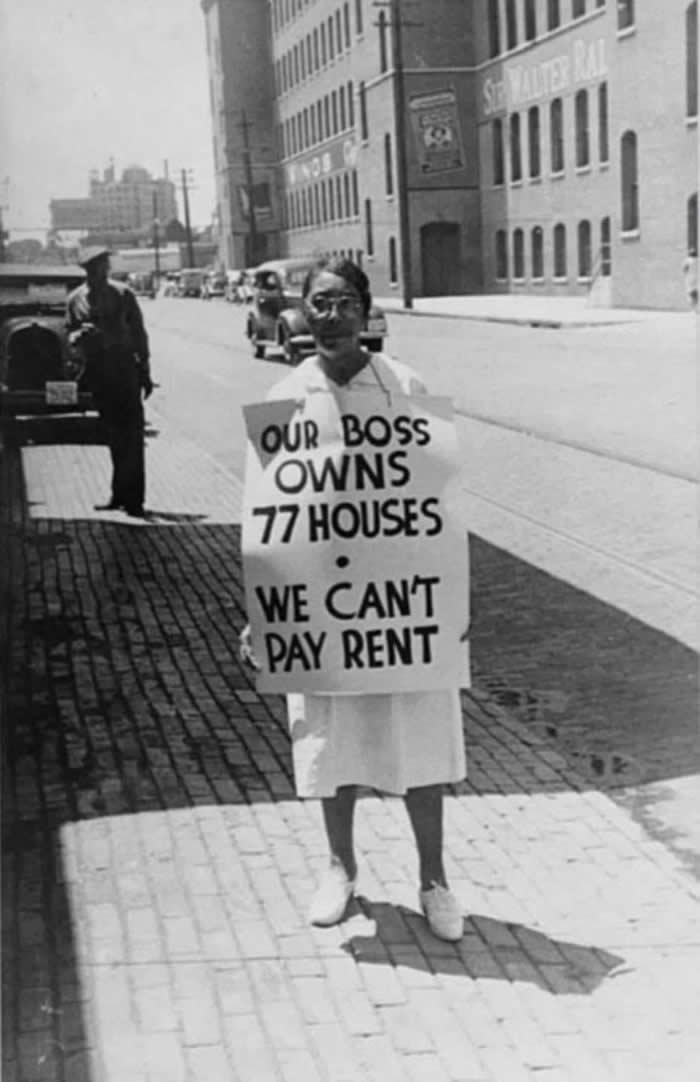
Image Source: Historic Photographs
#18. A female firefighting team on a converted motorcycle in London, 1932.
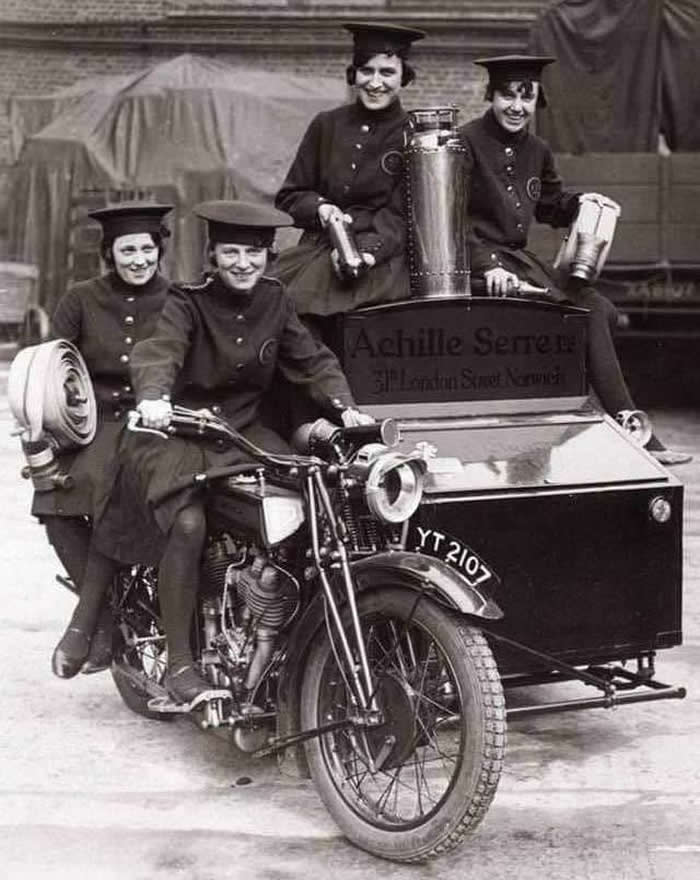
Image Source: Historic Photographs
#19. High school auto shop class in the 1950s
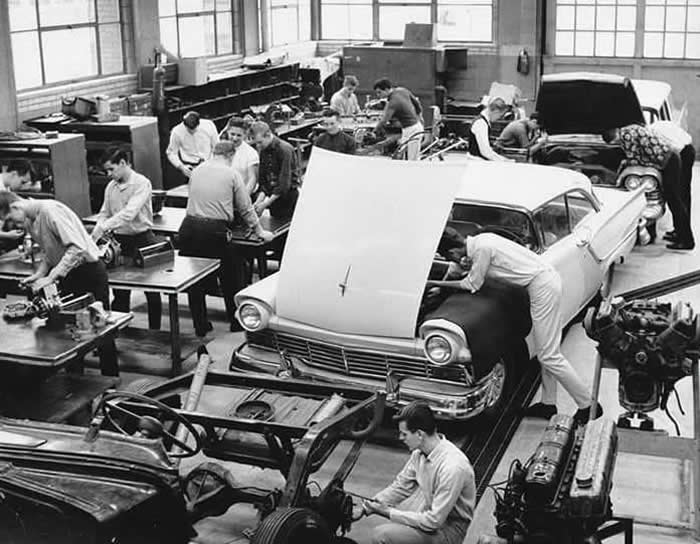
Image Source: Historic Photographs
#20. Youngsters at the city dump in Ambridge, Pennsylvania, 1939.
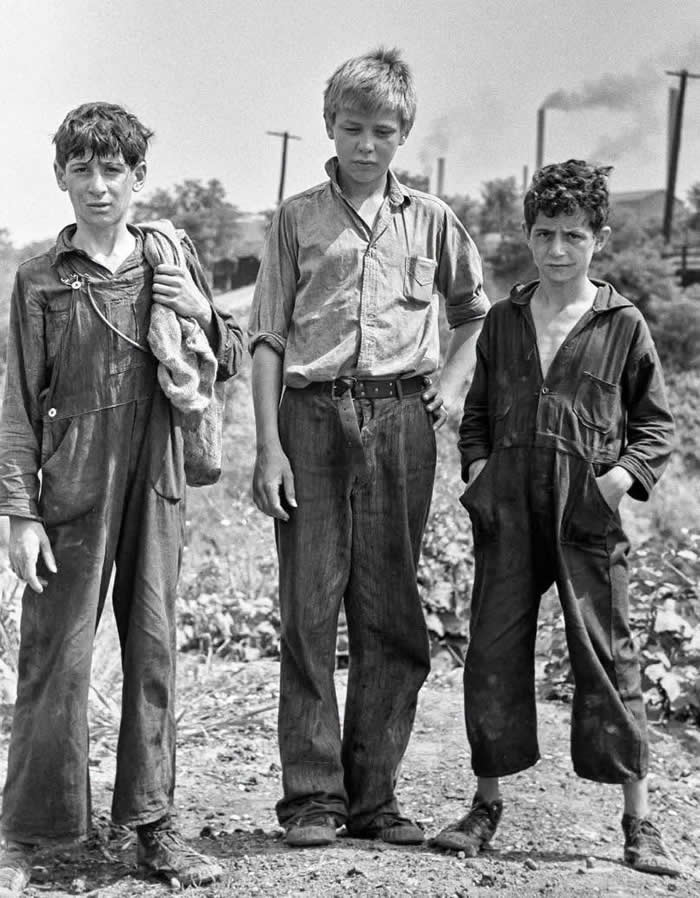
Image Source: Historic Photographs
#21. American soldier eats ice cream with his Sicilian cousins at a sidewalk café in Palermo. 1943. Photo: Nick Parrino.
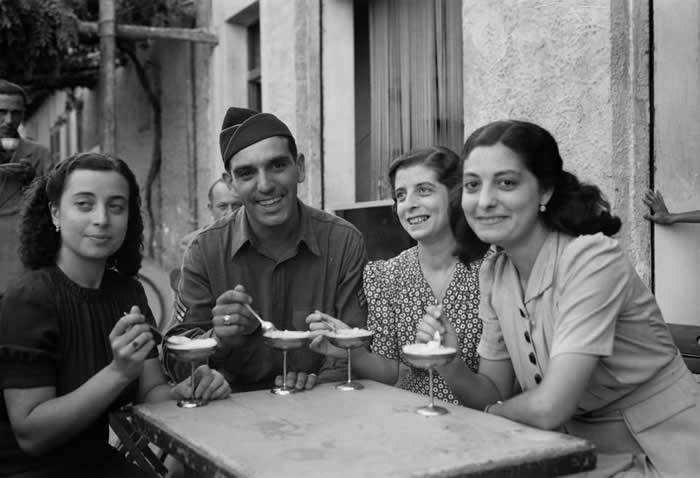
Image Source: Historic Photographs
#22. Elvis, his father Vernon, and his grandmother Minnie Mae, 1959
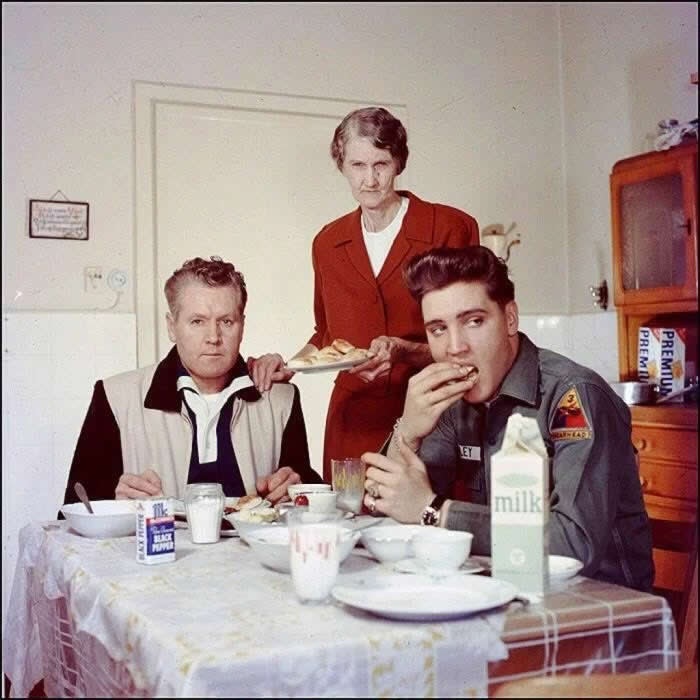
Image Source: Historic Photographs
#23. Pablo Picasso in Paris, circa 1900s.
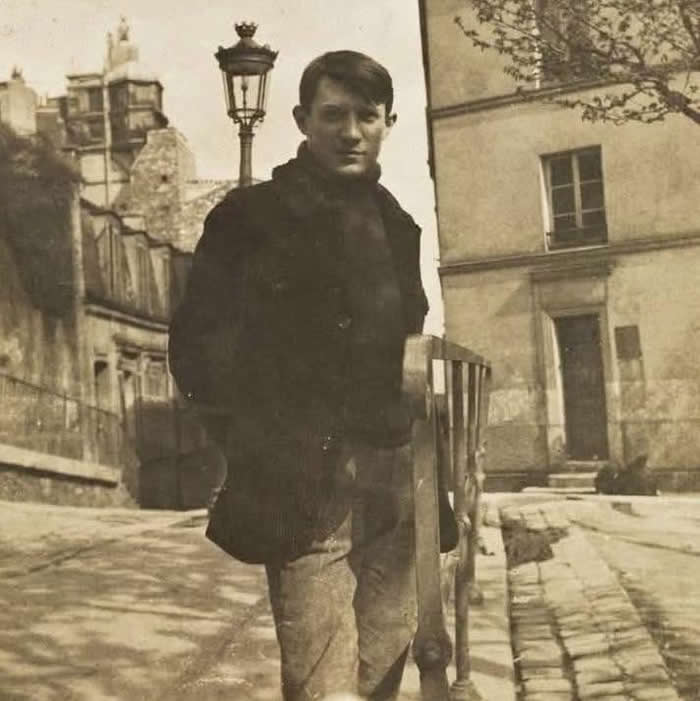
Image Source: Historic Photographs
#24. Bell’s First Telephone: A man using Alexander Graham Bell’s first telephone. Photo published in the Detroit News between 1915 and 1925.
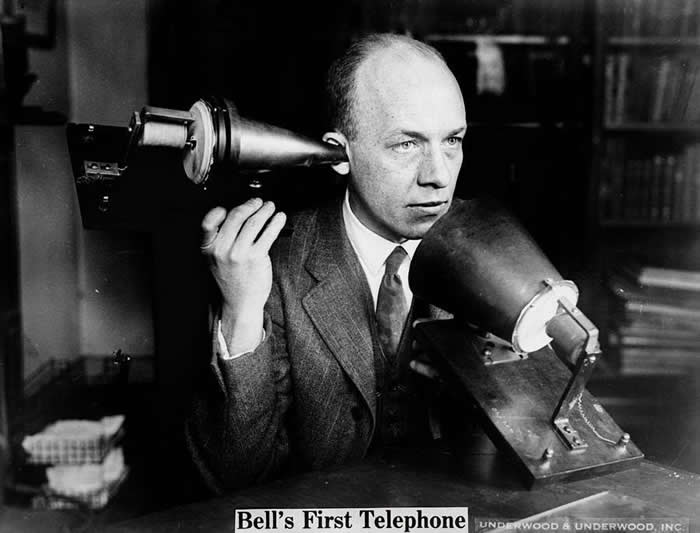
Image Source: Historic Photographs
#25. Raquel Welch in « 100 Rifles » in 1969.
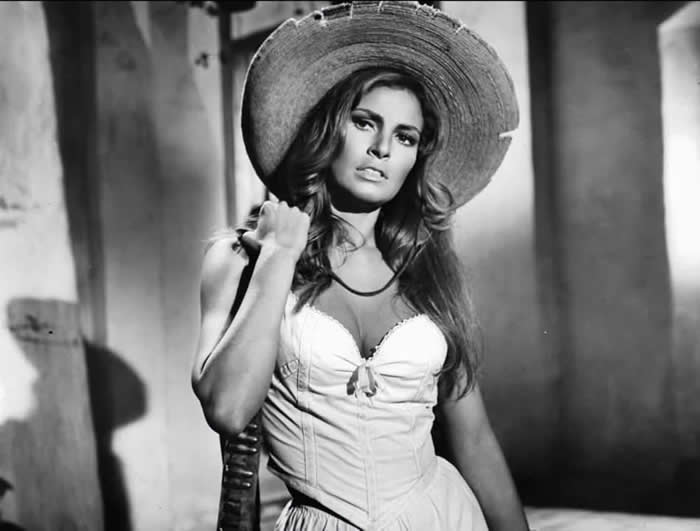
Image Source: Historic Photographs
#26. Great Sioux Warrior Chief Sitting Bull’ after surrender to the US Army. (Photo from 1881)v
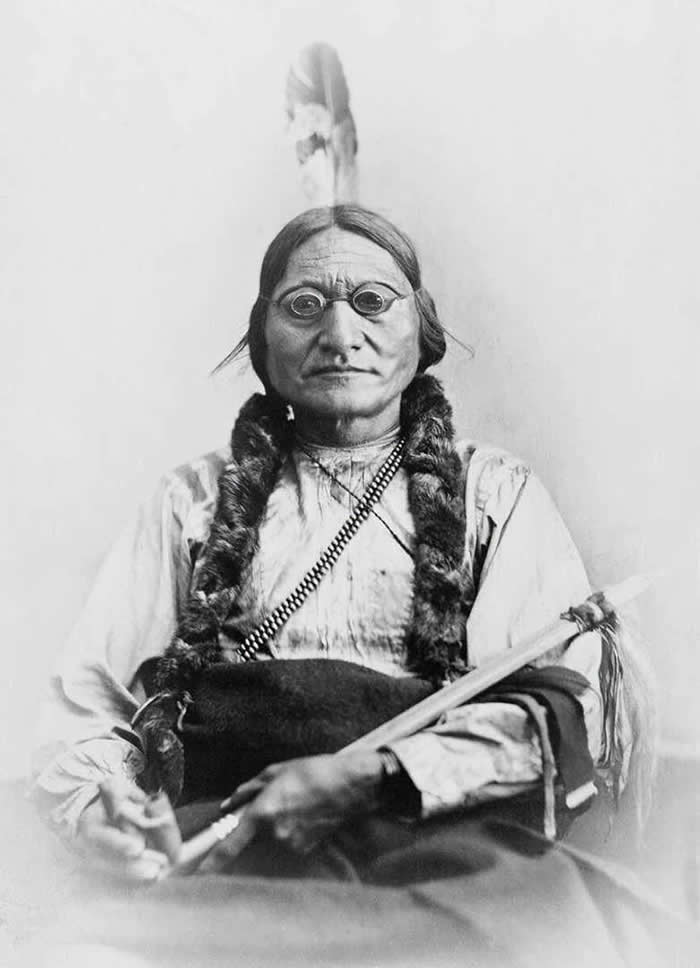
Image Source: Historic Photographs
#27. Street fashion in the 1970s
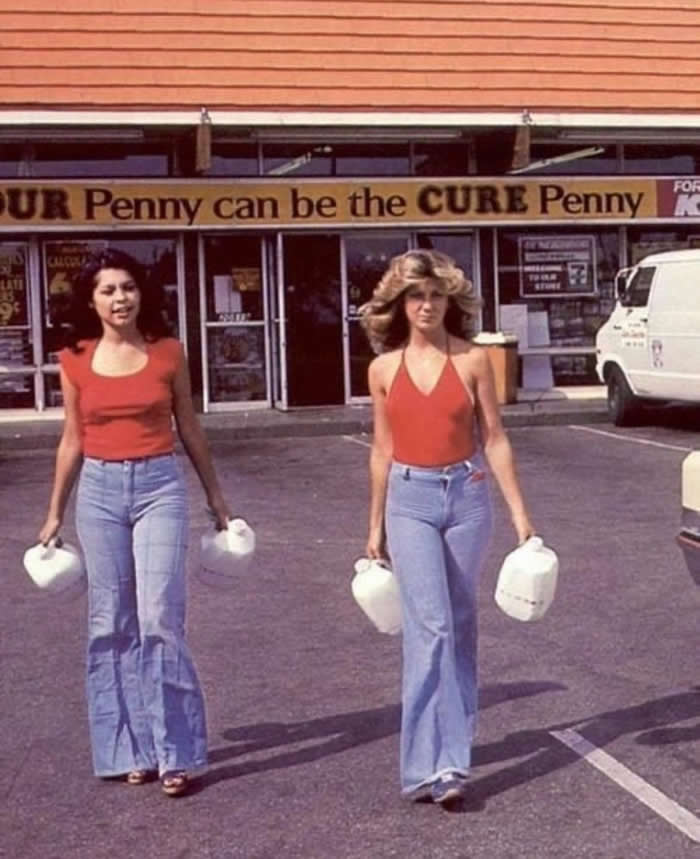
Image Source: Historic Photographs
#28. Two men participating in a motorcycle chariots race, 1925.
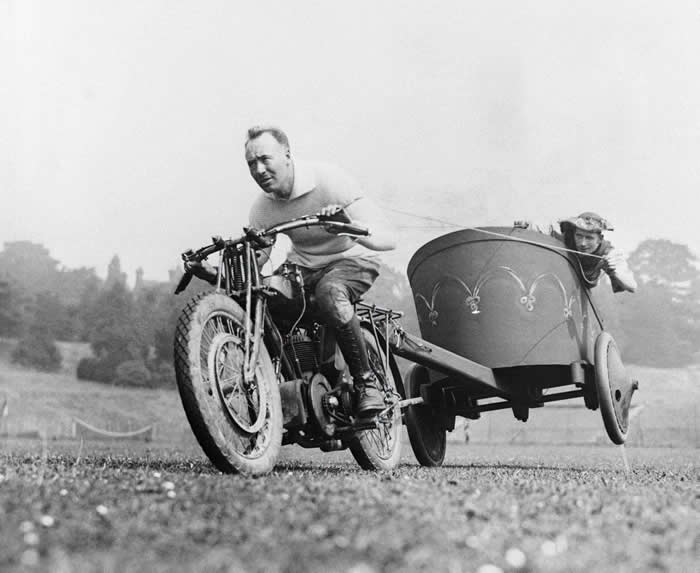
Image Source: Historic Photographs
#29. East Berlin in the late 1980s
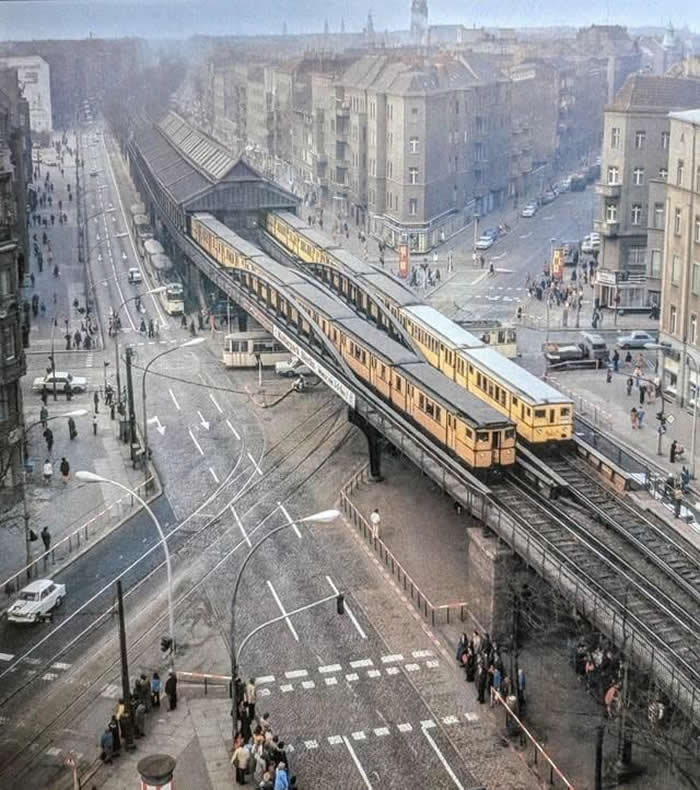
Image Source: Historic Photographs
#30. From the back window, New York, 1915. Photo by Alfred Stieglitz
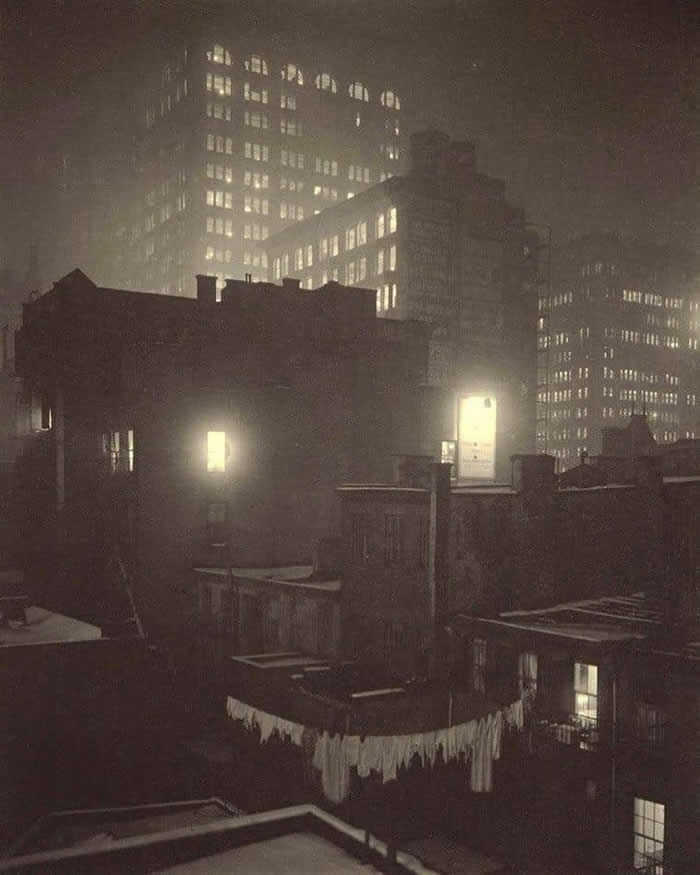
Image Source: Historic Photographs
#31. Telephone lines, Vancouver, BC, March 1914
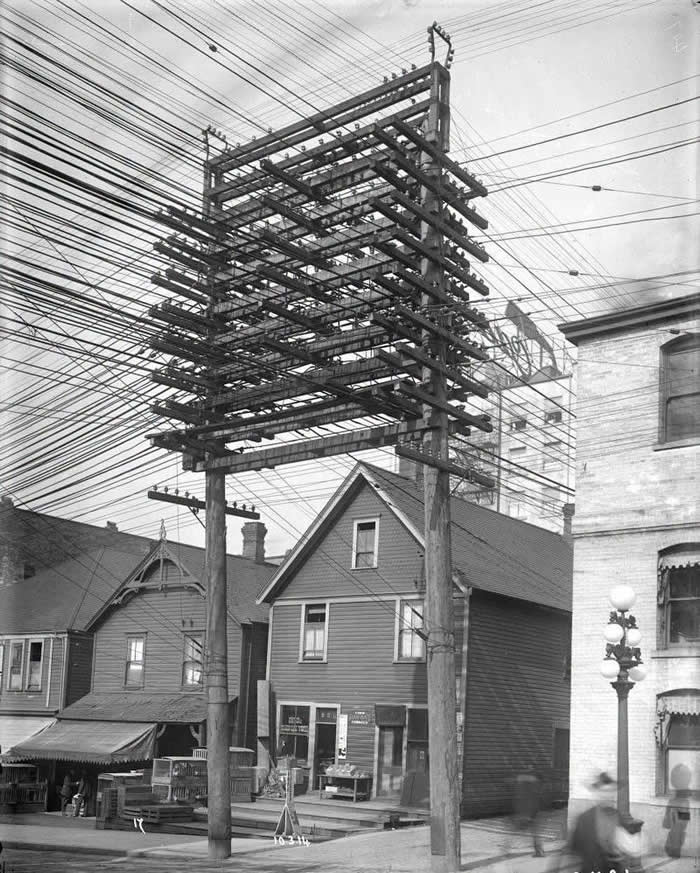
Image Source: Historic Photographs
#32. A makeshift shack in a 1930s Hooverville, one of the many shantytowns that sprang up across the United States during the Great Depression, named after President Herbert Hoover, who was widely blamed for the economic crisis.
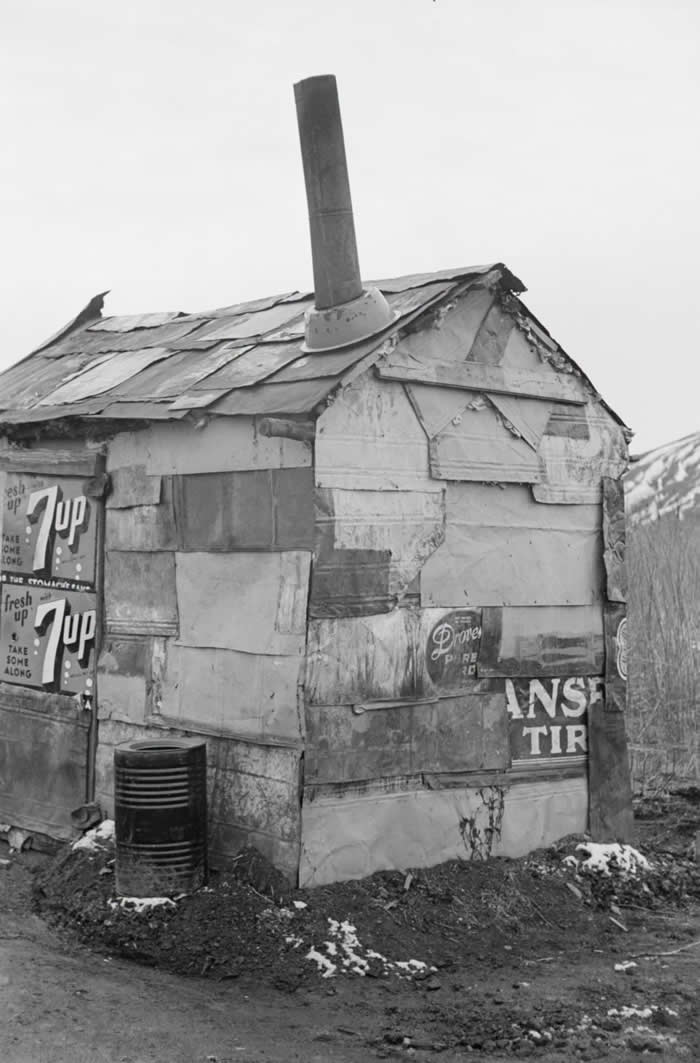
Image Source: Historic Photographs
#33. Before commercial airplanes were pressurized, passengers needed oxygen masks at high altitudes. This 1939 photo was taken during a stratosphere flight test at 20,000 feet.
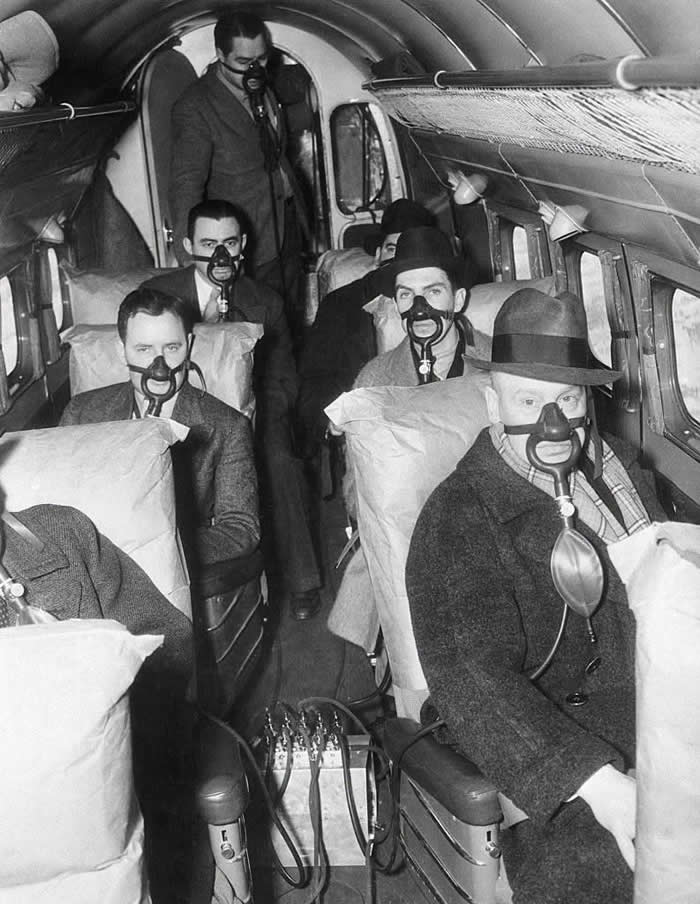
Image Source: Historic Photographs
#34. Al Pacino and Marlon Brando on the set of ‘The Godfather’ (1972)
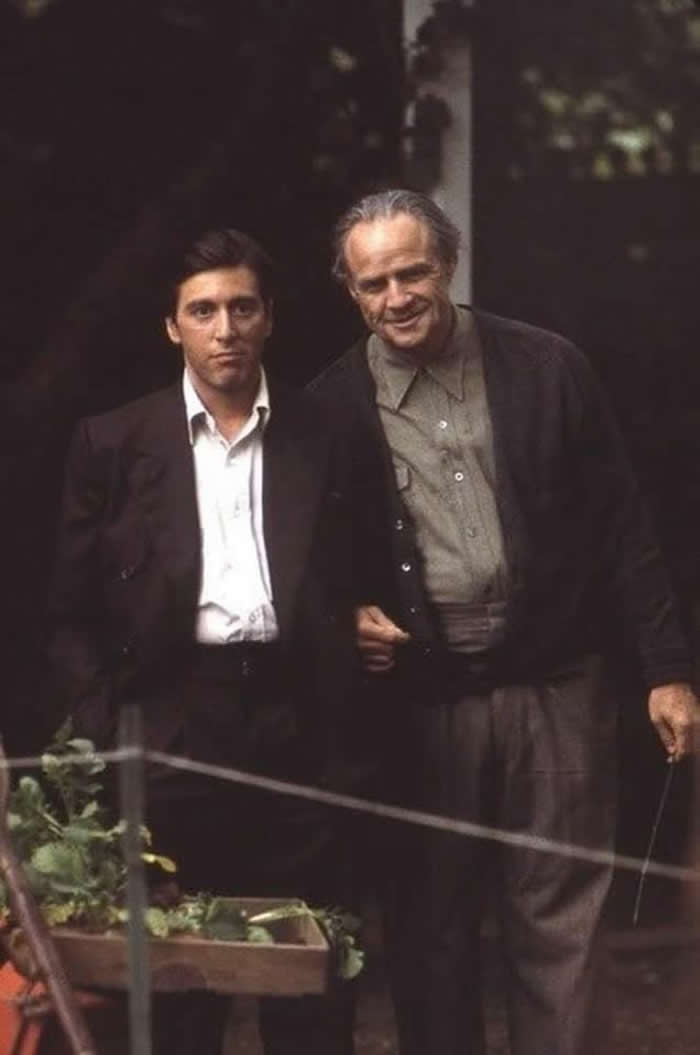
Image Source: Historic Photographs
#35. Immigrants detained at Ellis Island dancing, 1905.
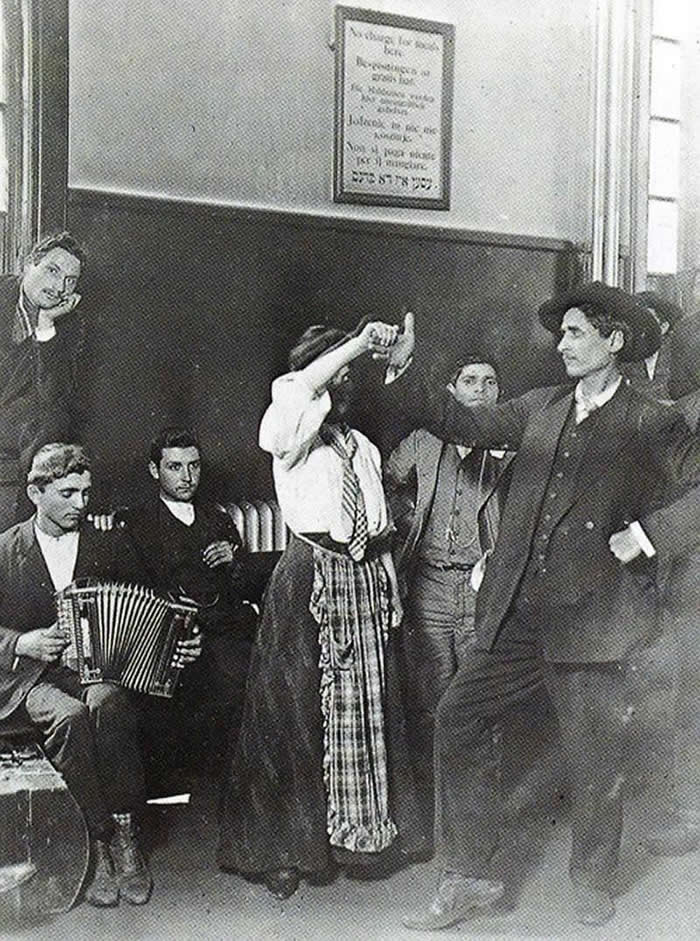
Image Source: Historic Photographs
#36. A Southwest Airlines stewardess from the 1970s
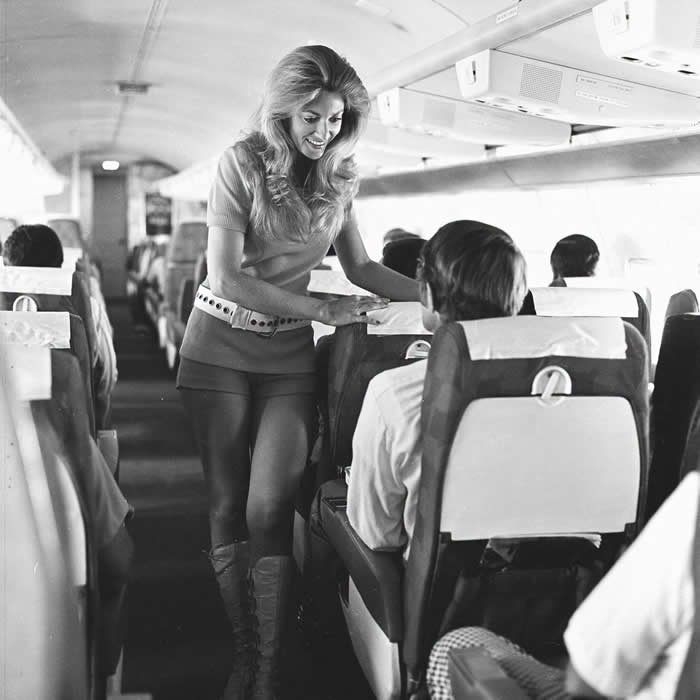
Image Source: Historic Photographs
#37. In 1916, double amputee Quentin Corley was photographed driving a car with the use of his invention that enabled him to operate the wheel. What is more impressive is that he invented and patented the prosthetic arm he used as well.
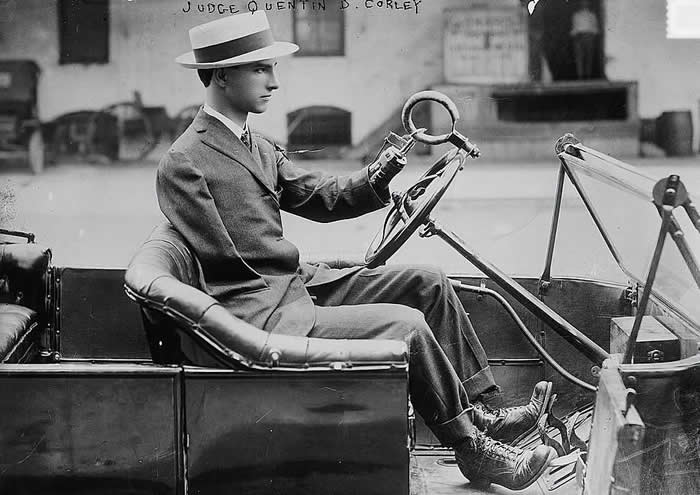
Image Source: Historic Photographs
#38. Uranium Burger (Salt Lake City, Utah in 1954).
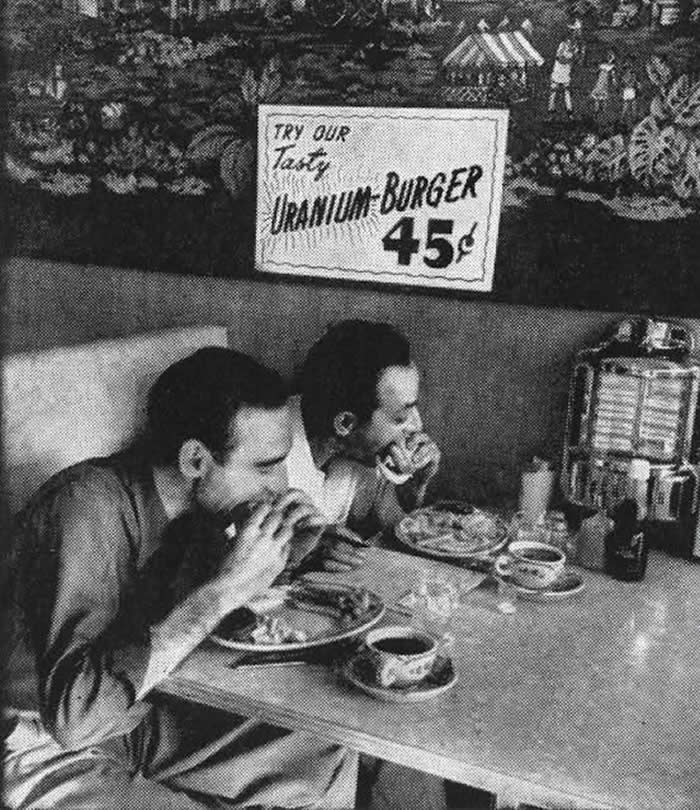
Image Source: Historic Photographs
#39. The control room inside a German U-Boat, circa 1918
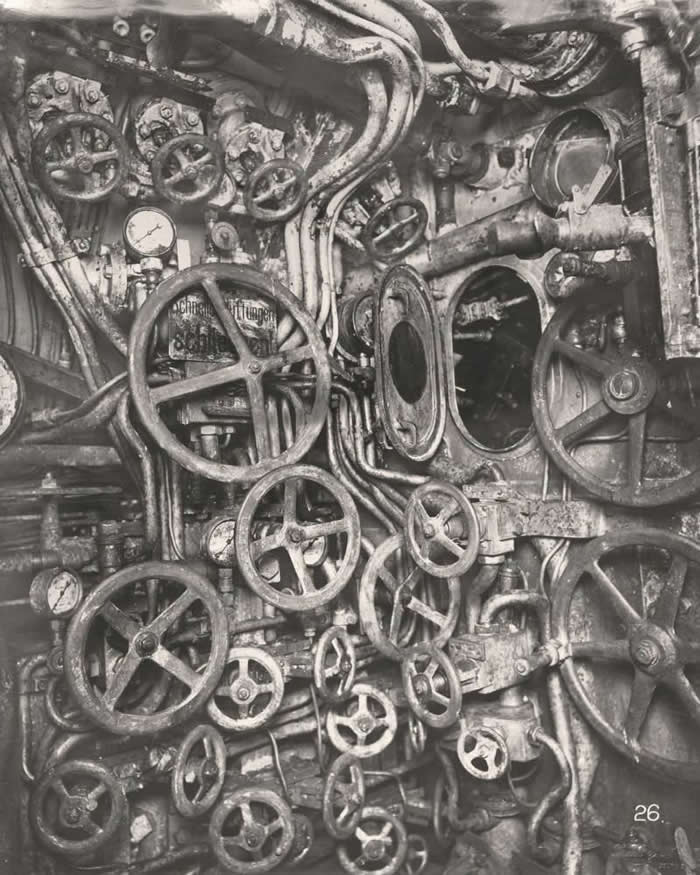
Image Source: Historic Photographs
#40. Operation Ivy King — The KING shot was detonated on November 15, 1952, at Enewetak Atoll in the Marshall Islands. With a yield of 500 kilotons, it remains the most powerful pure-fission nuclear weapon ever tested by the United States.
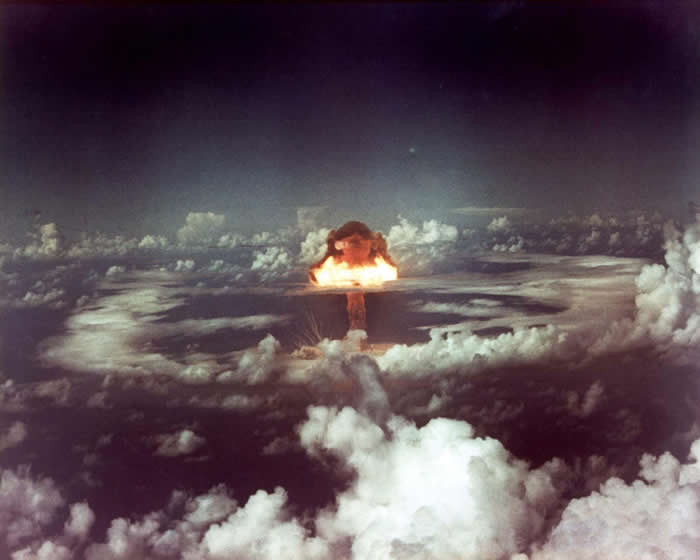
Image Source: Historic Photographs
Frequently Asked Questions:
Why are historical photographs important?
Historical photographs preserve real moments from the past and provide visual evidence of people, events, cultures, and everyday life. They help us better understand history by offering authentic perspectives that written records alone often cannot fully capture.
What types of photos are featured in this collection?
This collection includes photographs of everyday life, famous people, American presidents, military history, wars, inventions, architecture, and significant historical events. Together, these images provide a broad and engaging look at moments that shaped modern society.
How do historical photos change our understanding of the past?
Historical photos add human context to major events by showing real people and environments. They reveal emotions, details, and perspectives often missing from textbooks, helping viewers connect more personally with the stories and experiences behind history.
What can we learn from photographs of everyday life?
Photos of everyday life reveal how people lived, worked, traveled, dressed, and interacted during different periods. These images provide valuable insights into social customs, economic conditions, technology, and cultural changes across generations and historical eras.
Why do historical images remain relevant today?
Historical images help us understand the foundations of today’s world. They connect past events to present realities, preserve collective memory, inspire learning, and remind us how individuals and societies have adapted, innovated, and overcome challenges throughout history.