Most photographers search for drama or conflict, but Romualdas Rakauskas had a different mission; he found joy. Rakauskas was born in 1941. During the tight-lipped Soviet era, he rose to fame in Lithuania as a photographer. While others documented struggle and hardship, Rakauskas focused on the quiet beauty of everyday moments.
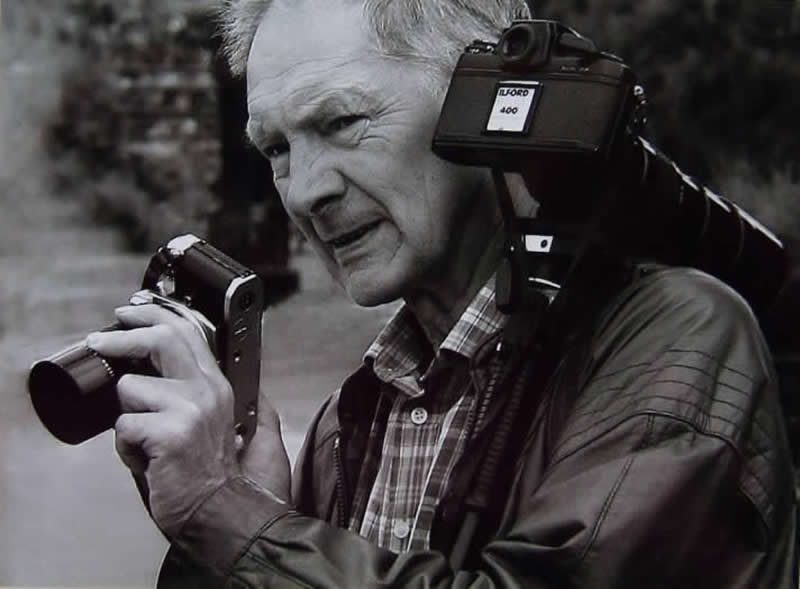
We pass by everyday scenes without a thought, a kid laughing, two people sharing a look, flowers by a city street. Rakauskas saw these simple moments as treasures.
His motto was simple: “Yes, I’m an optimist … I love life, I believe in people!” That optimism became his style. His photos turned everyday people into heroes, radiating warmth and hope during tense times.
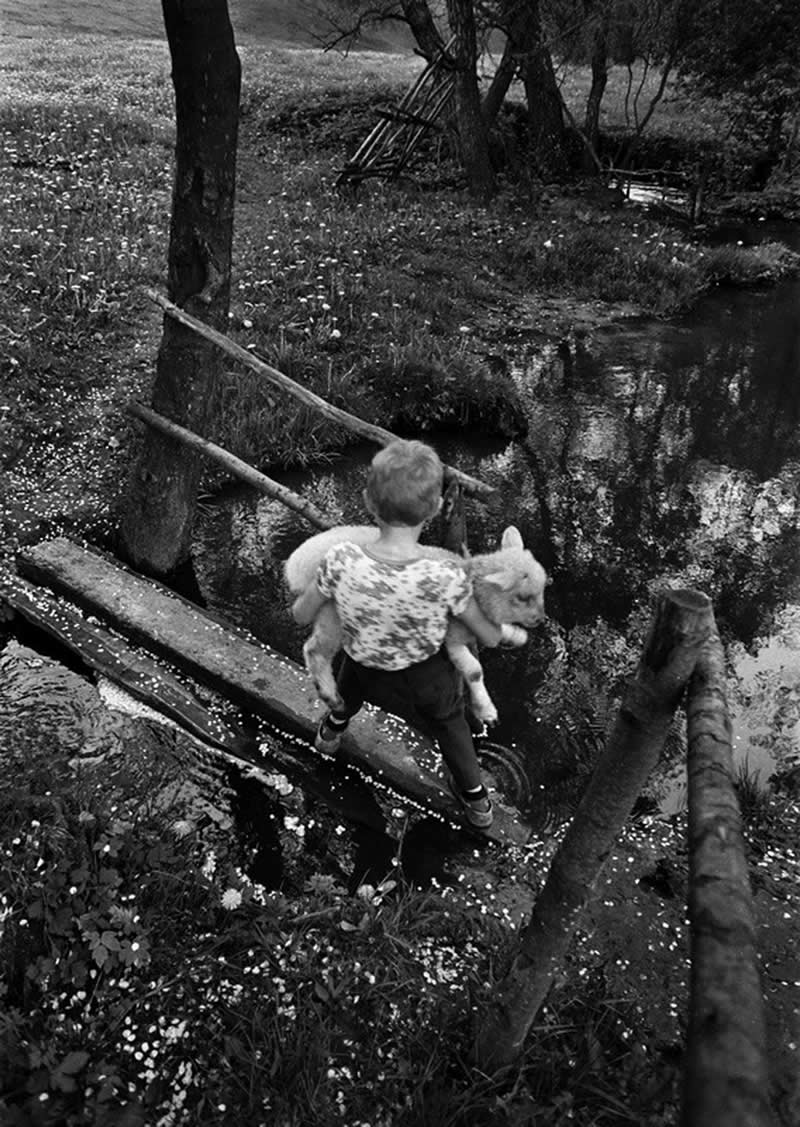
His work wasn’t about technical perfection; it was about feeling. Looking at a Rakauskas photo is like flipping through a family album and uncovering forgotten emotions. He proved beauty often hides in everyday life, waiting for someone to notice.
You can find Romualdas Rakauskas on the web:
#1.
#2.
#3.
#4.
#5.
Finding Poetry in Everyday Soviet Life
In the 1960s and 70s, Soviet photography was often political. Rakauskas ignored ideology and focused on people.
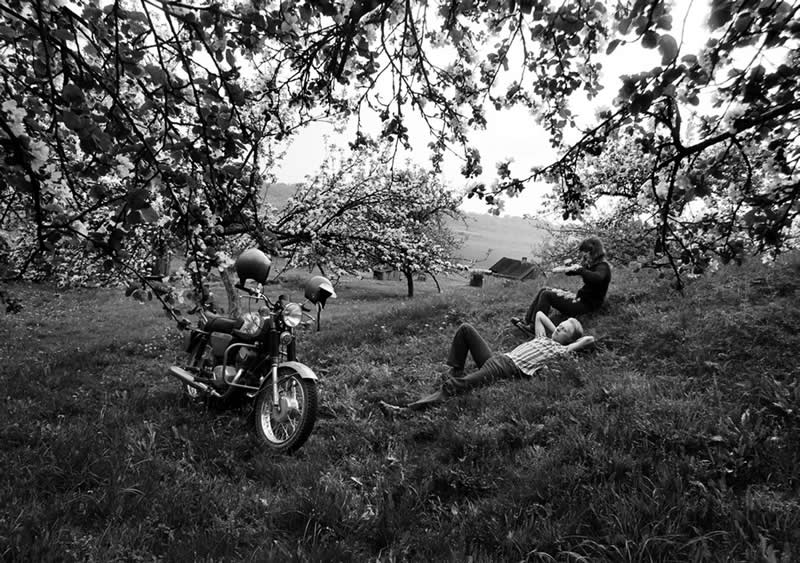
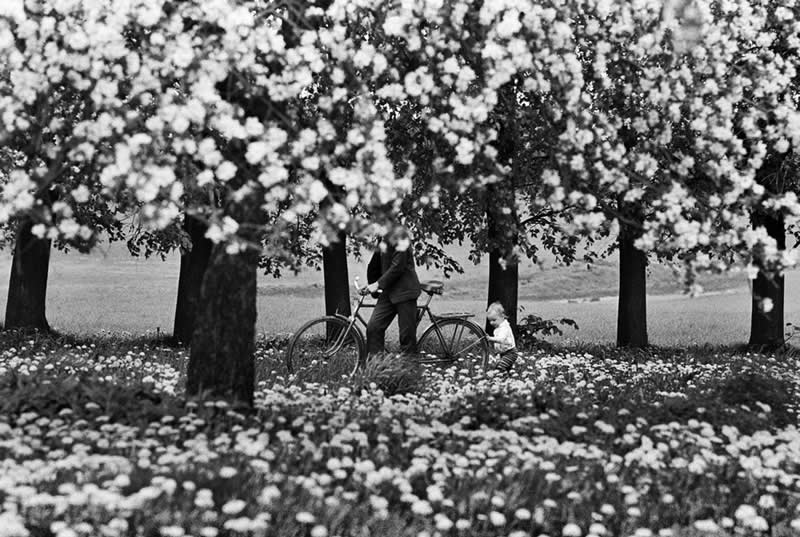
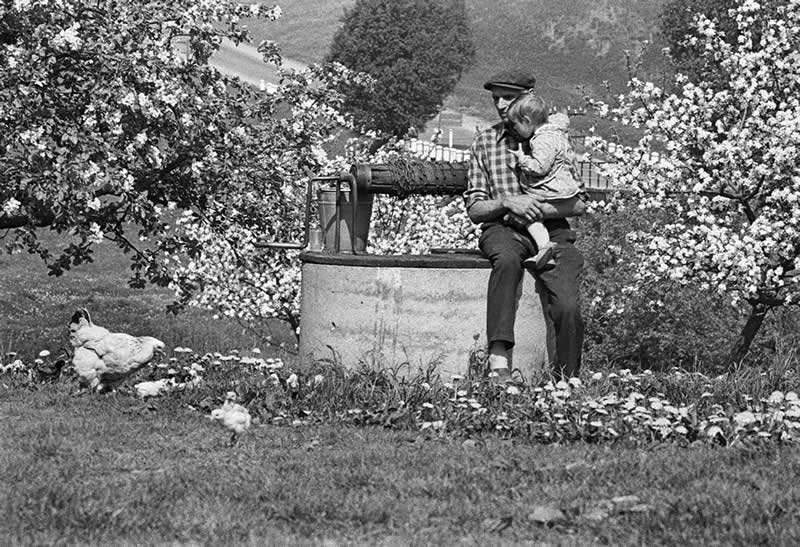
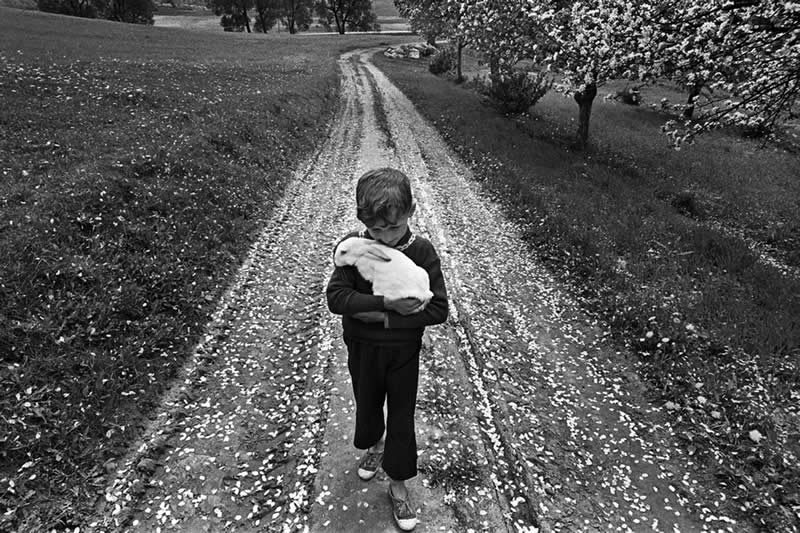
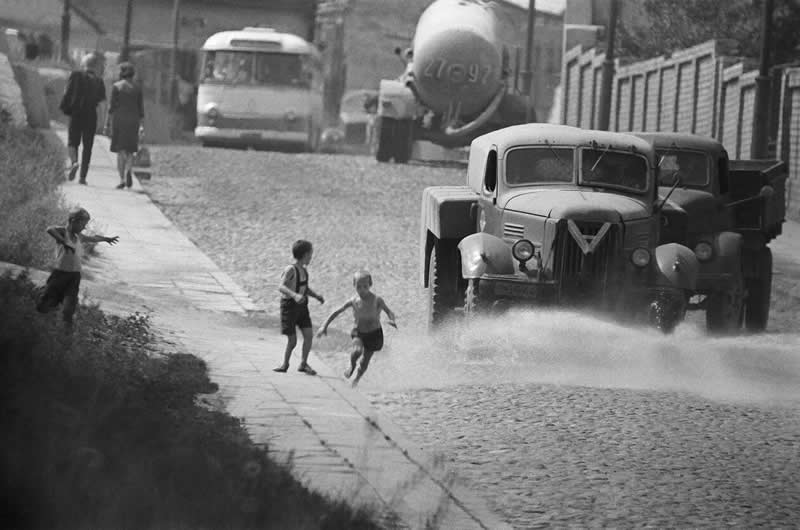
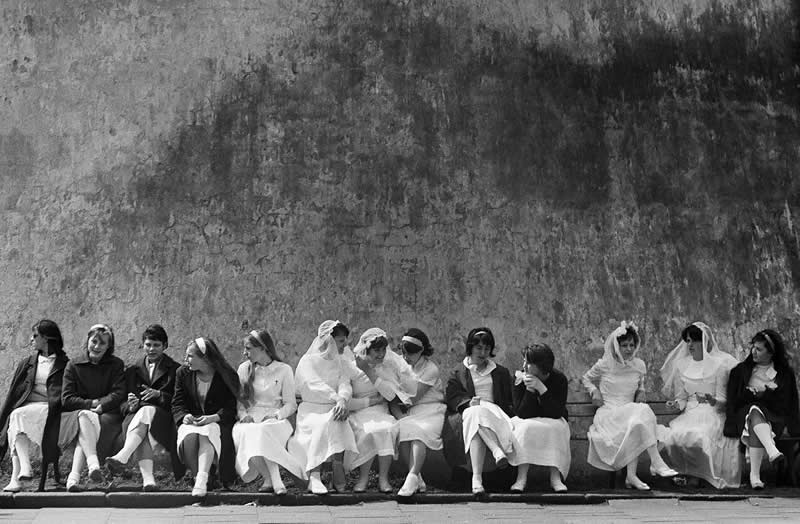
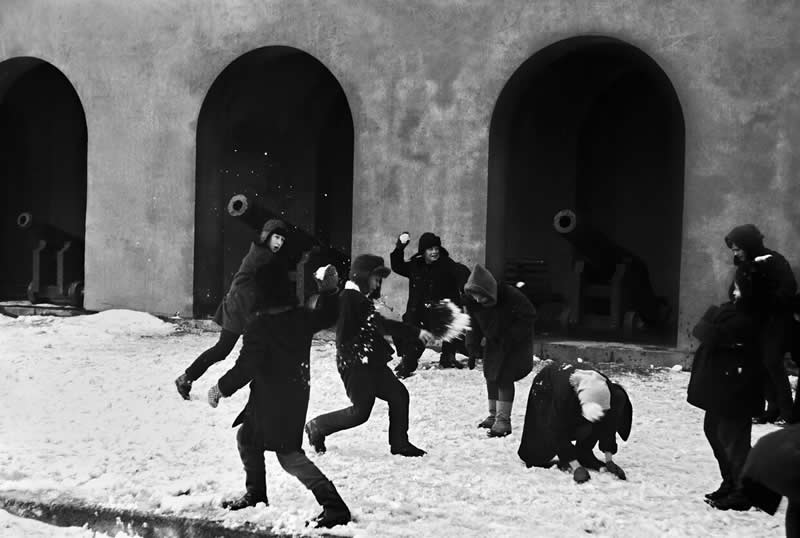
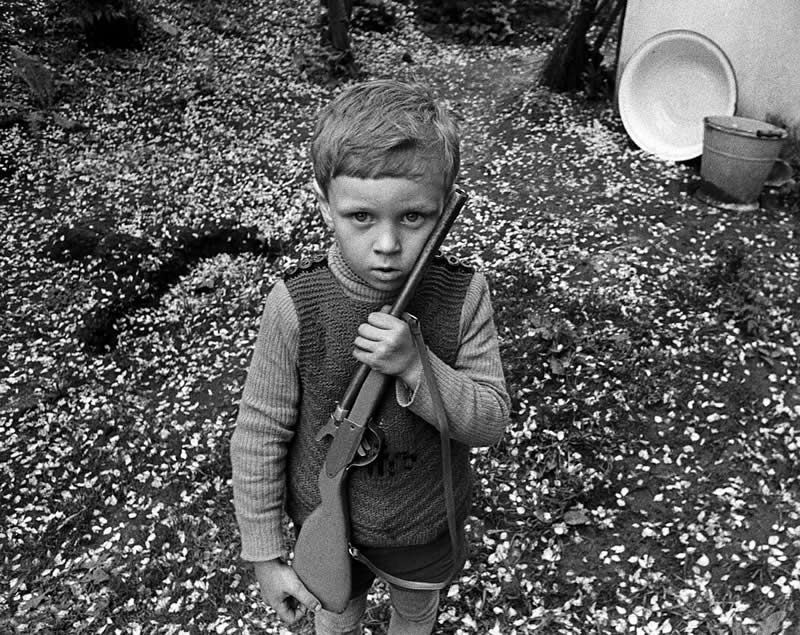
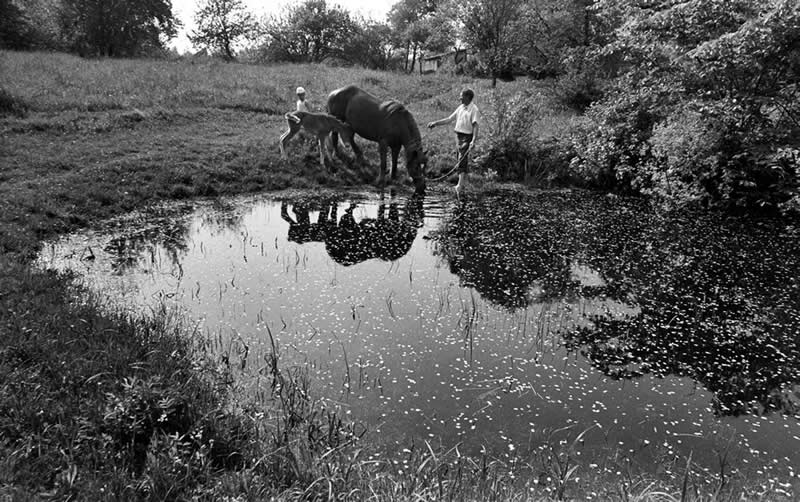
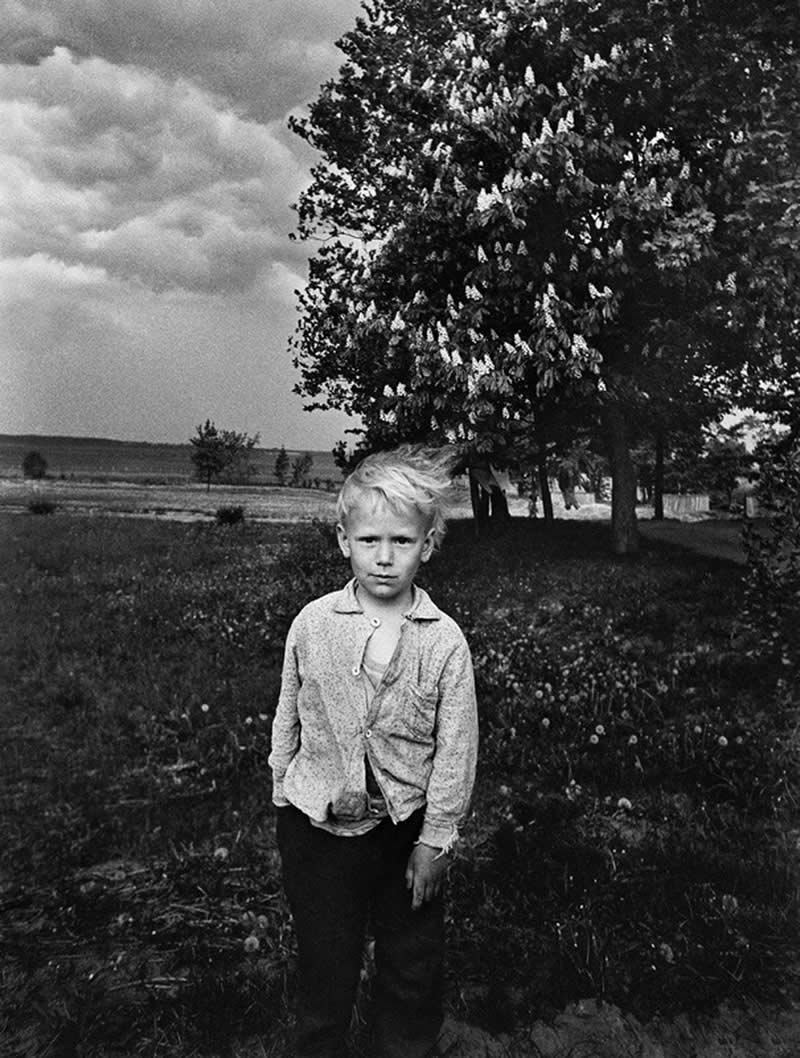
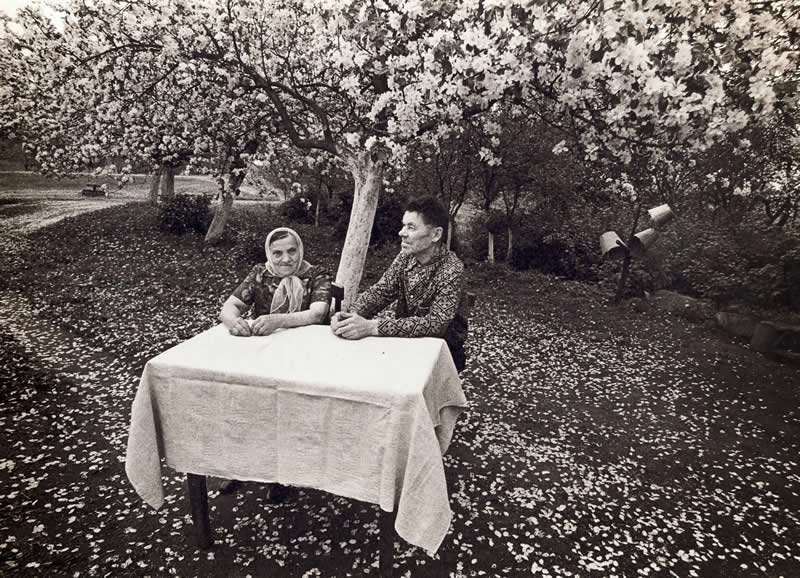
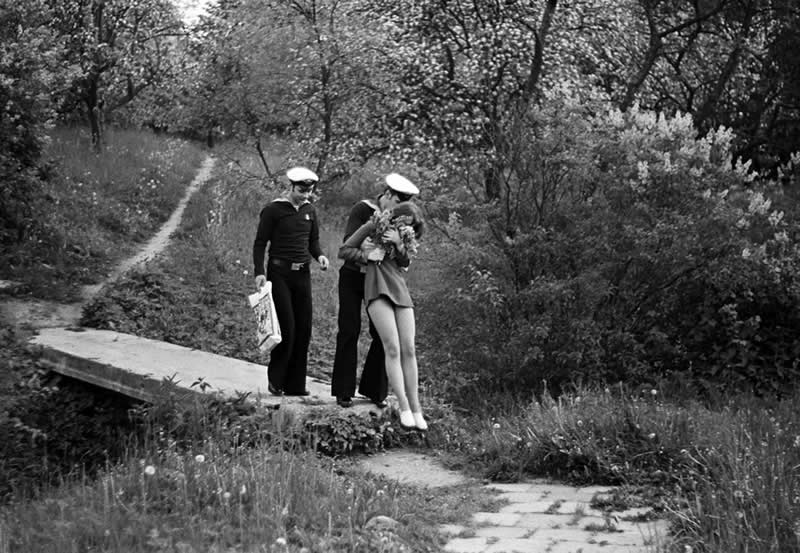
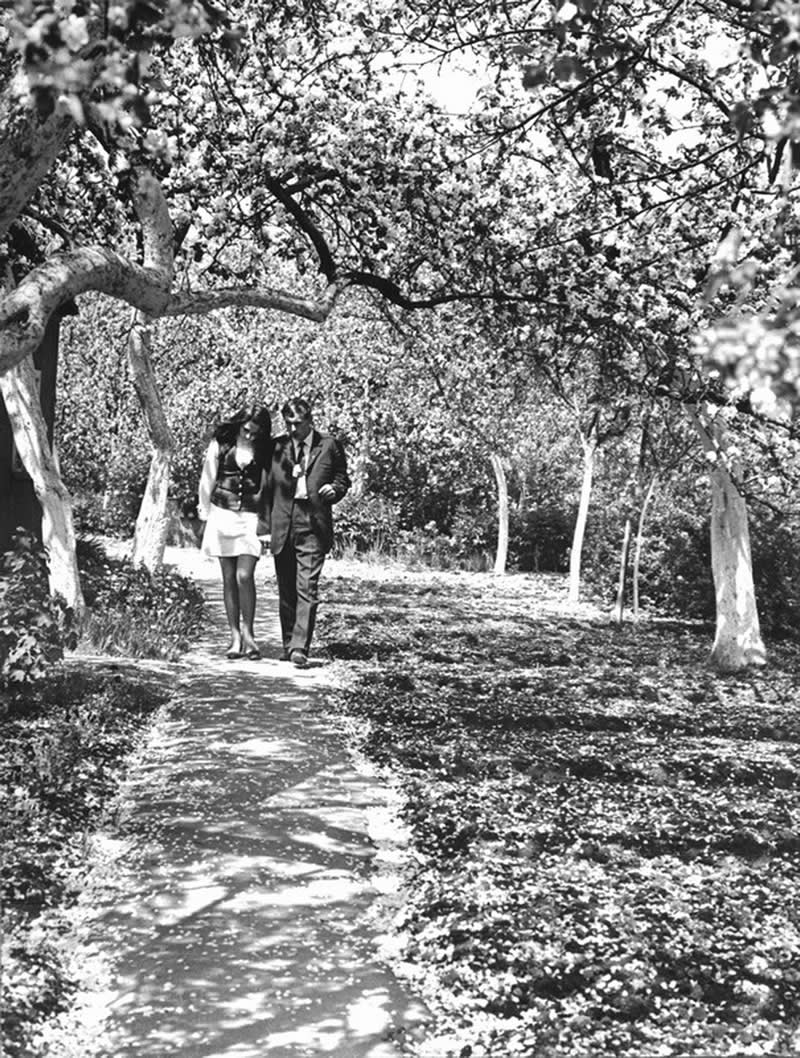
His early photos captured Lithuanian life up close: markets, streets, family gatherings, young couples, kids at play. He got close to his subjects and their emotions, never just observing from afar.
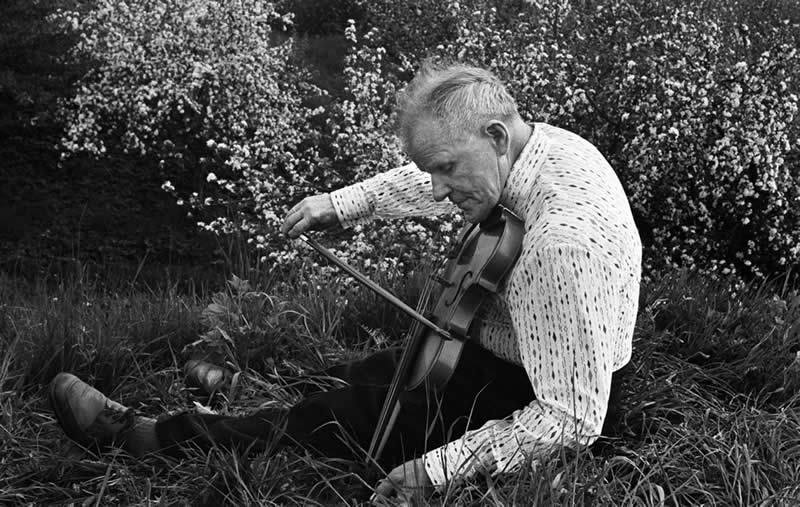
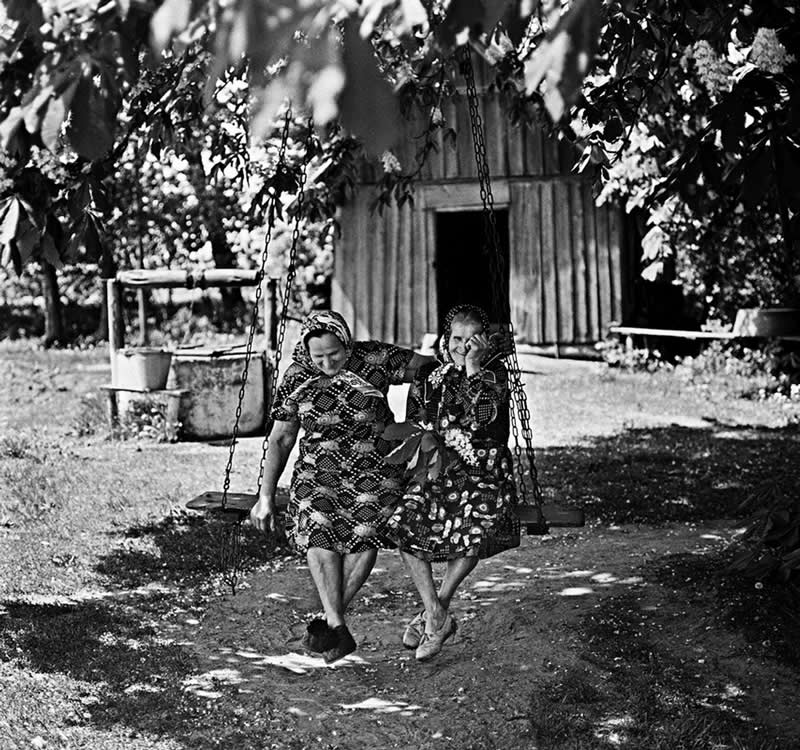
His photos stood out for their authenticity. Nothing felt staged. Smiles, glances, and gestures were real life itself performing for his camera.
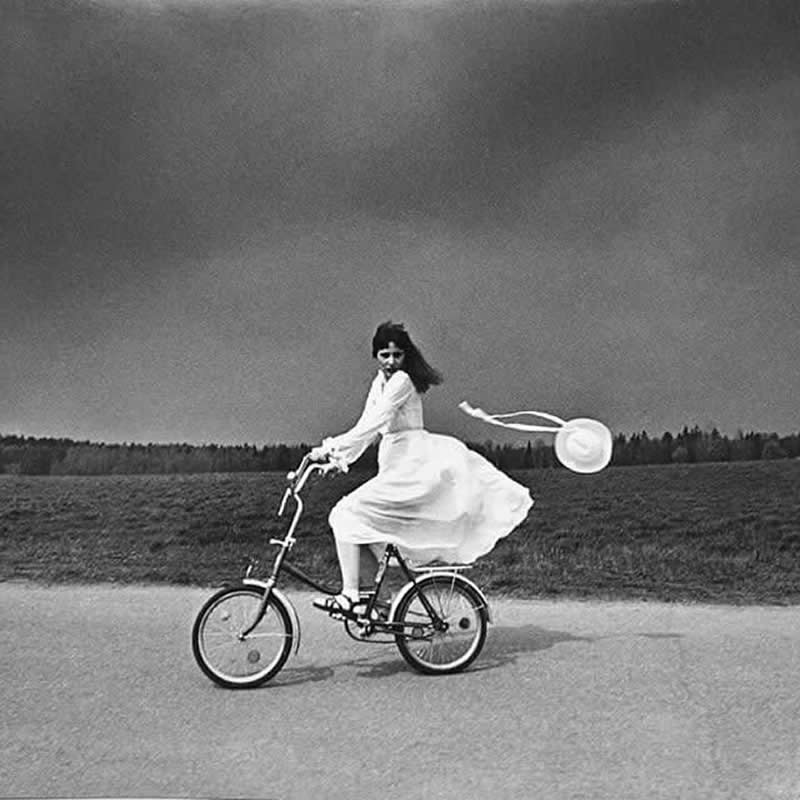
Rakauskas mixed documentary and portrait photography to create a style that felt personal and emotional. His photos didn’t just record history; they captured how people loved, dreamed, and endured. He preserved the spirit of a generation.
#6.
#7.
#8.
#9.
#10.
The Optimism That Defined His Artistic Vision
While many artists expose darkness, Rakauskas became known for illuminating it.
His optimism wasn’t blind; he knew life’s challenges. But he believed his photos could lift people up and shine a light on their goodness.
This belief shaped his art. His work grew more lyrical and emotionally rich, celebrating people’s resilience and joy instead of focusing on criticism.
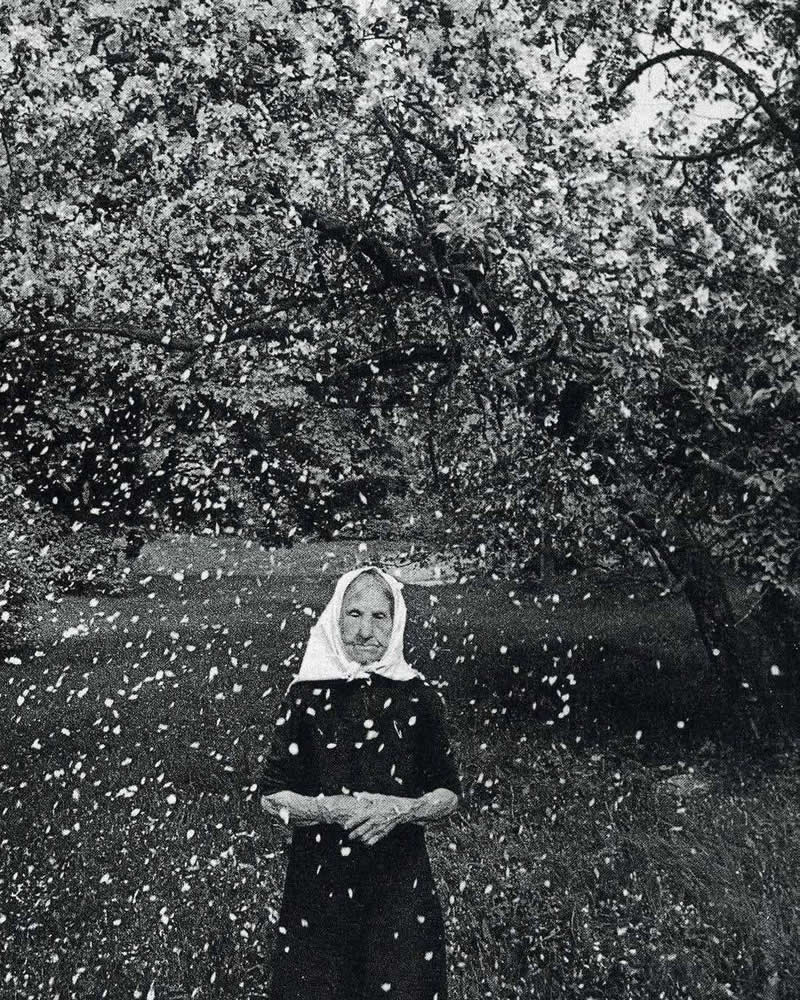
Critic Grazyna Manetskayte said his photos rise above reality and glow with tenderness and love. That’s exactly what you feel looking at his work.
Decades later, people still connect with his photos. They offer something rare, real hope. His work reminds us that kindness and connection survive even tough times.
#11.
#12.
#13.
#14.
#15.
“Flowers Among People”: A Masterpiece of Visual Symbolism
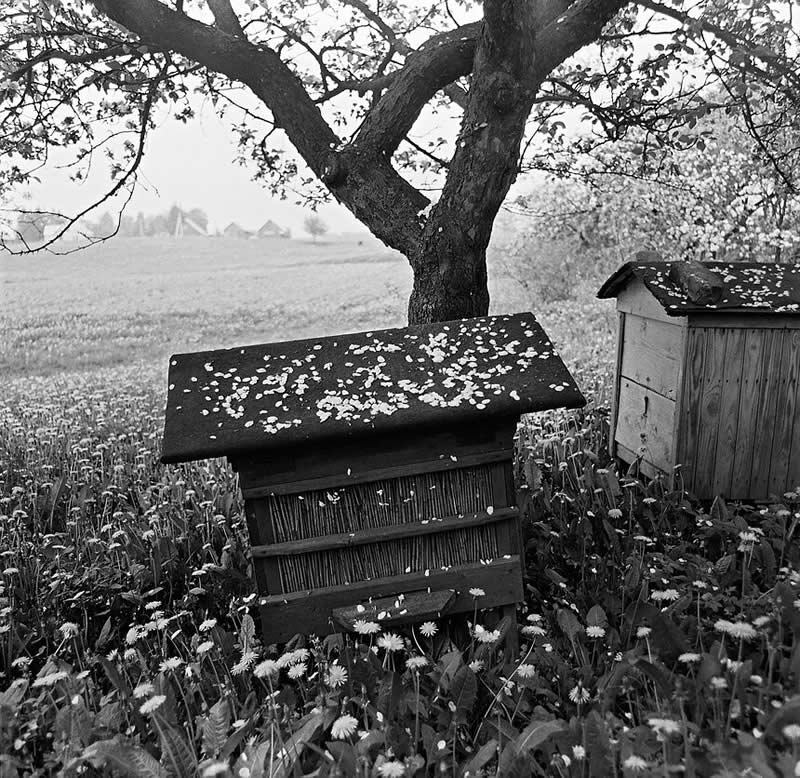
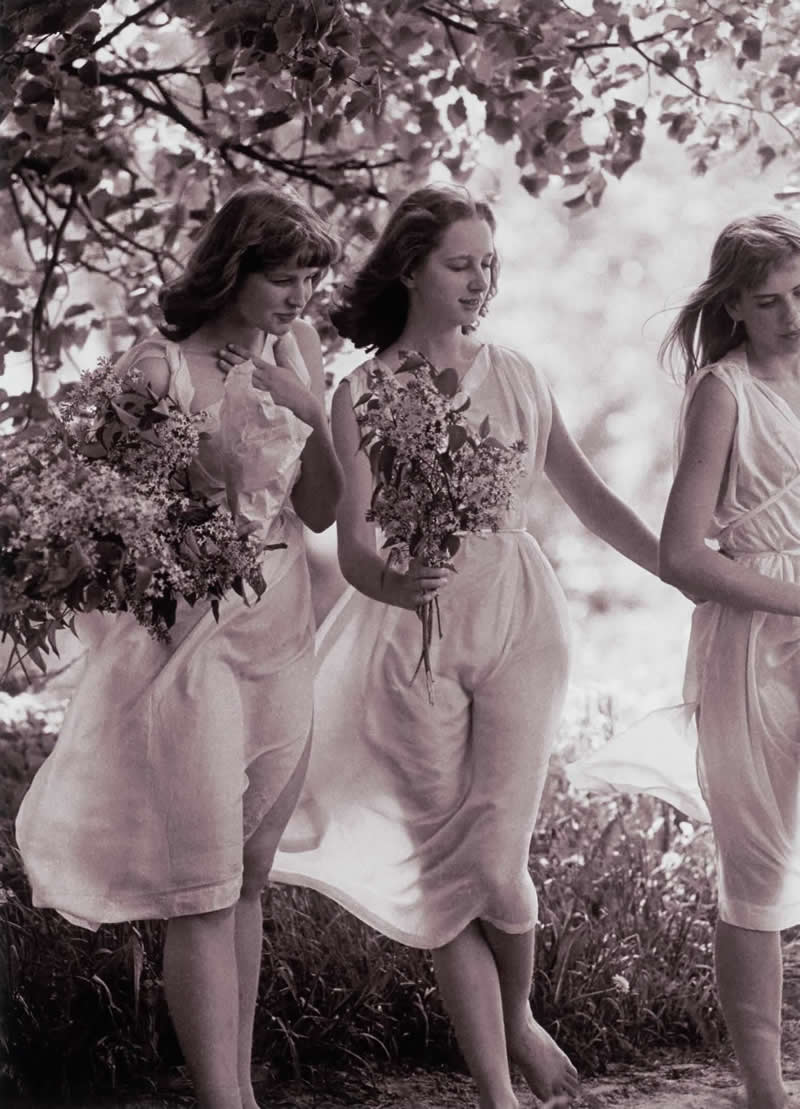
One of Rakauskas’ greatest achievements was Flowers Among People (1980), part of his Blossom project.
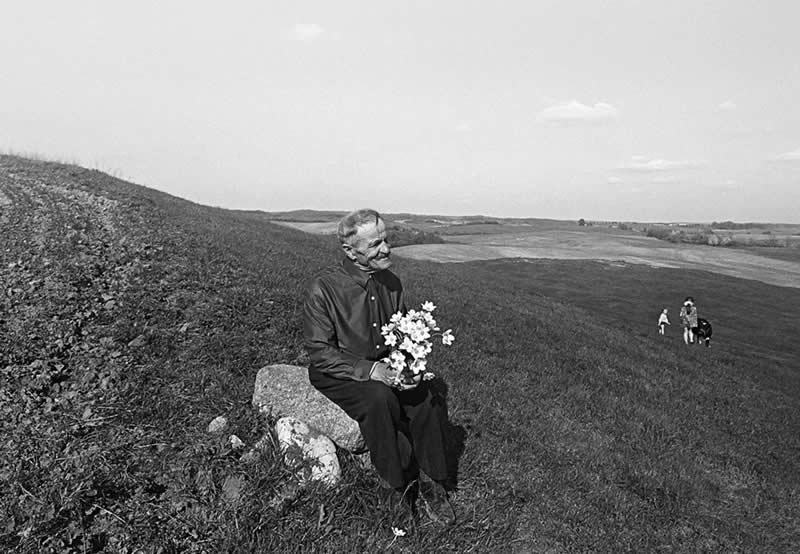
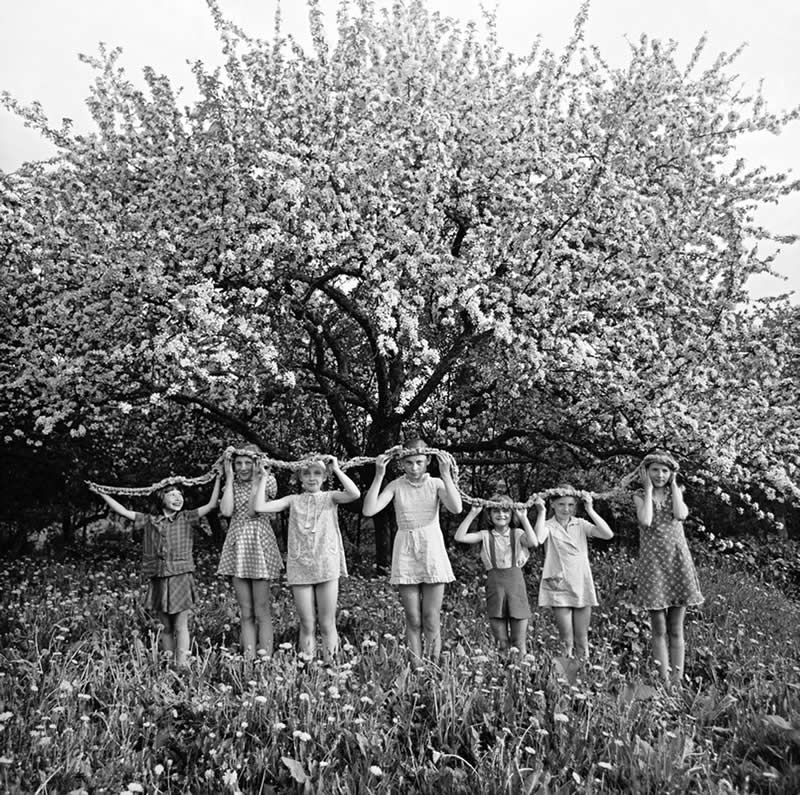
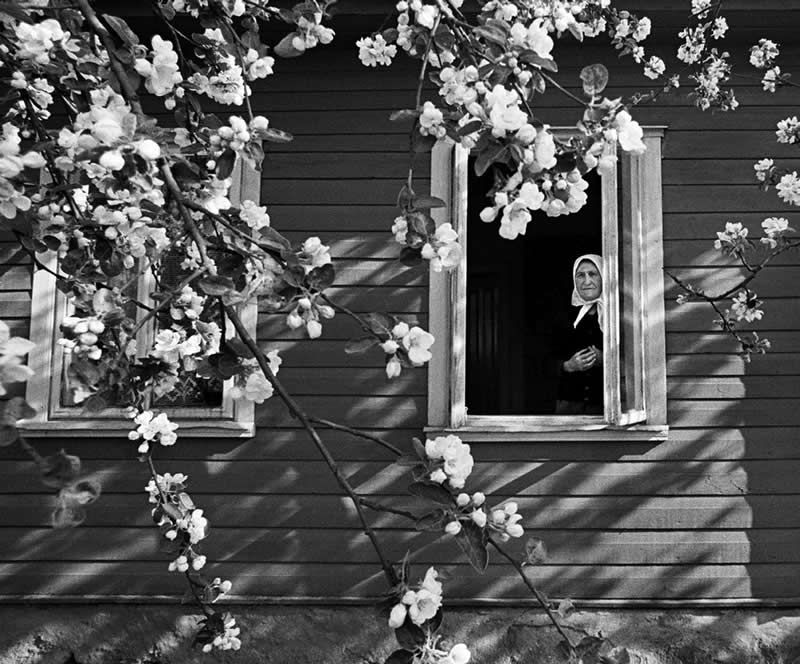
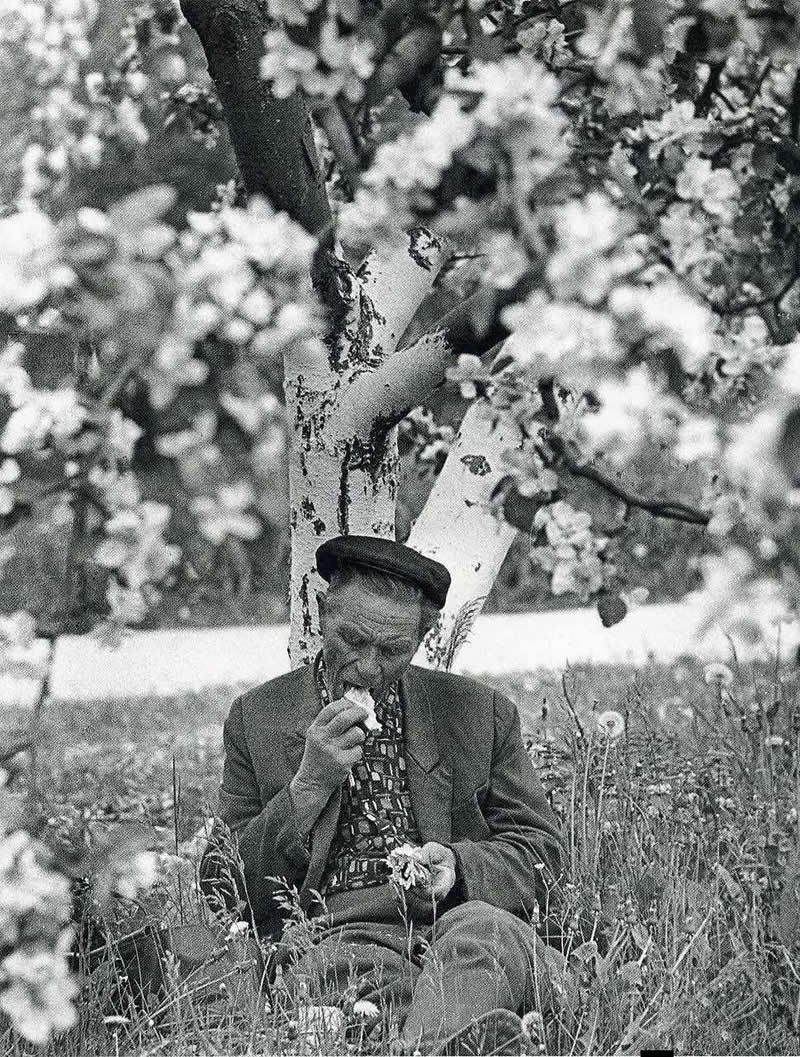
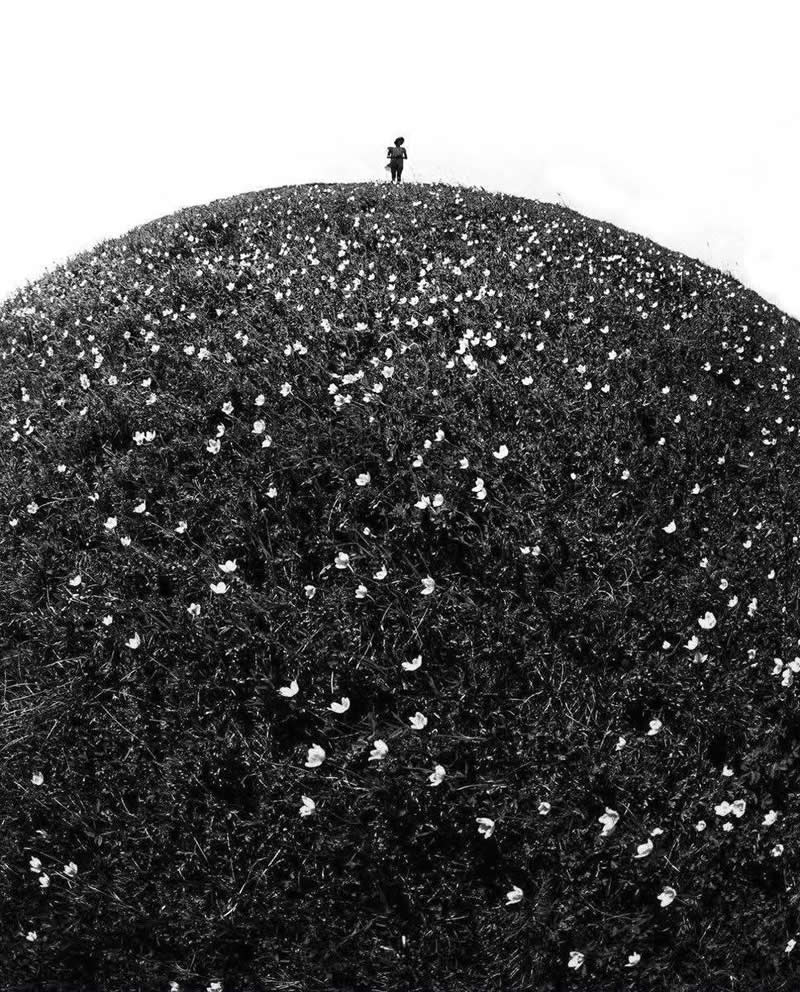
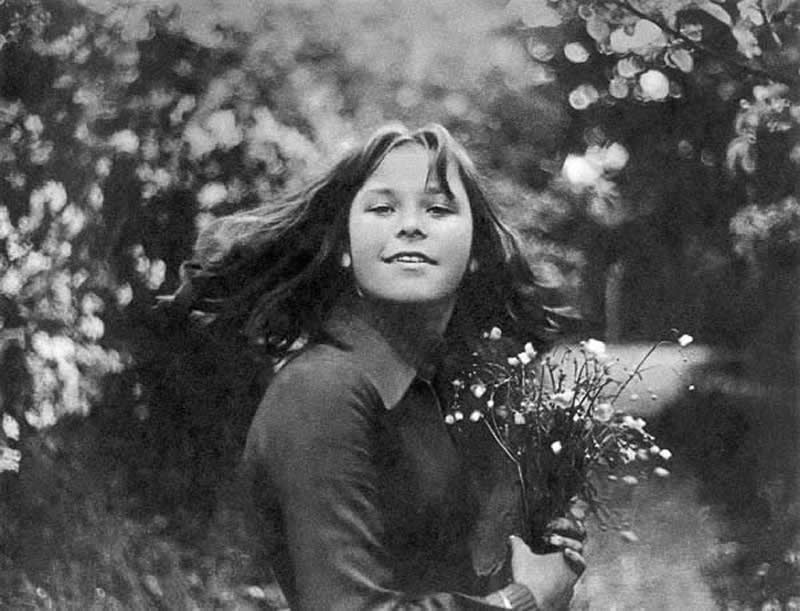
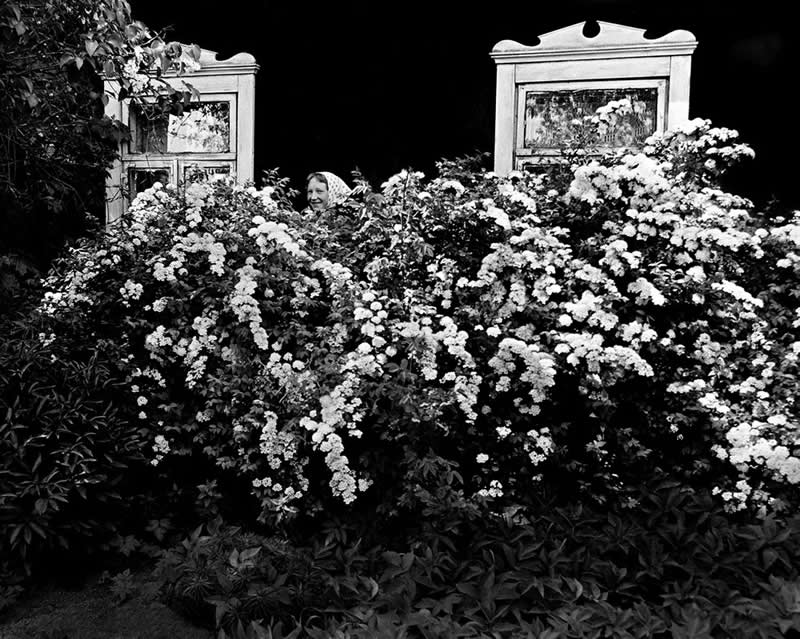
Flowers might seem odd for documentary photography, but to Rakauskas, they symbolized individuality, beauty, and freedom.
In the series, flowers appear with ordinary people, contrasting natural beauty with Soviet rigidity. A single bloom becomes a sign of hope. A smile among flowers is a celebration of the human spirit.
His symbolism was always subtle, never preachy, never political. His photos spoke through emotion, not slogans.
This project quietly challenged limits. Without slogans or confrontation, Rakauskas celebrated personal expression and humanity. Today, it’s still a landmark of Lithuanian photography.
#16.
#17.
#18.
#19.
#20.
A Lasting Influence on Lithuanian Photography
You can’t talk about Lithuanian photography without Rakauskas.
With fellow photographers, he helped shape Lithuania’s visual identity, earning recognition far beyond its borders. His work proved that documentary photos could be true and artistic.
You see his influence in today’s photographers who value emotion and storytelling over spectacle. In a world flooded with images, his work stands out for its sincerity.
Young photographers learn from him that technical skills aren’t enough. What matters is empathy, the ability to connect and notice what others miss.
His photos preserve a lost Lithuania and speak to universal human experiences. Few artists are both historically important and timeless.
#21.
#22.
#23.
#24.
#25.
Why His Photography Still Matters Today
Cameras and phones today make it easy to take sharp photos. But technical perfection doesn’t guarantee meaningful art.
That’s why Rakauskas still matters.
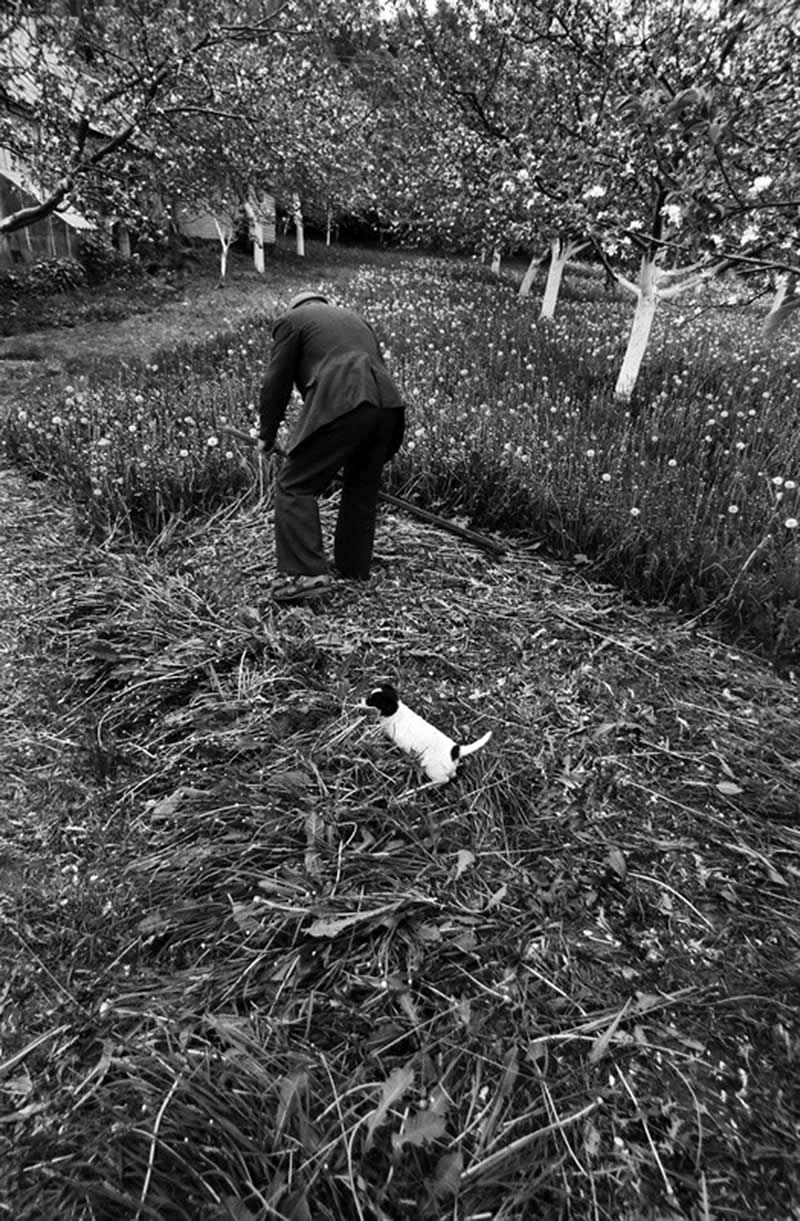
His work proves the most important thing isn’t gear, it’s how you see. He showed that beauty hides in ordinary moments, waiting to be noticed.
In today’s flood of images, Rakauskas offers the opposite. His photos invite us to slow down and appreciate quiet moments.
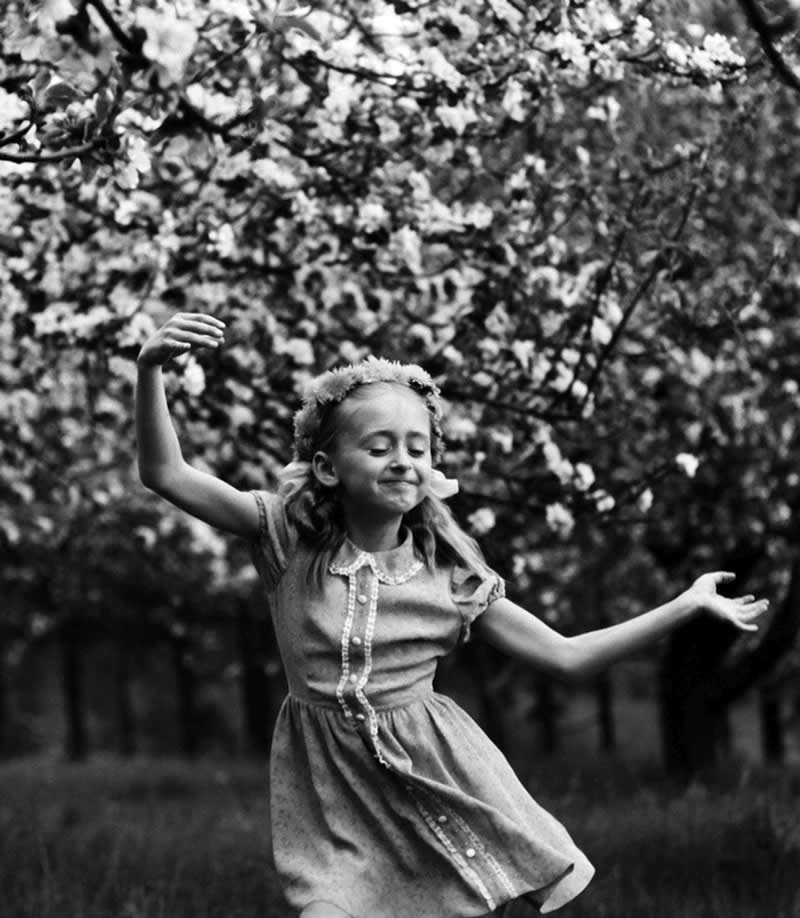
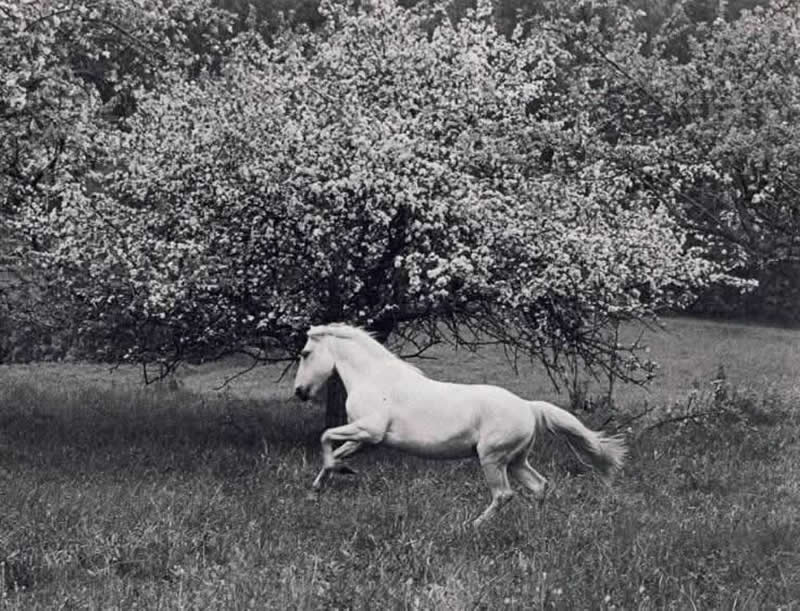
A child running, lovers glancing, flowers blooming, his photos celebrate timeless experiences. Rakauskas proved that honest, small moments can say more about humanity than any history book.
#26.
#27.
#28.
#29.
#30.
FAQs:
Who is Romualdas Rakauskas?
Romualdas Rakauskas is a renowned Lithuanian photographer born in 1941. He became famous for capturing everyday life during the Soviet era with warmth, optimism, and poetic sensitivity, creating images that celebrated human emotion and resilience.
What is Romualdas Rakauskas best known for?
He is best known for his iconic series Flowers Among People and Blossom. These projects combined human subjects with floral symbolism, creating powerful visual metaphors about individuality, beauty, hope, and personal freedom.
What makes his photography unique?
His photography stands out because of its delicate lyricism, emotional depth, and positive outlook. Rather than focusing on political conflict or hardship, he highlighted moments of joy, tenderness, love, and human connection in everyday life.
How did Rakauskas influence Lithuanian photography?
Rakauskas helped shape Lithuania’s photographic identity by blending documentary realism with artistic expression. His human-centered approach inspired generations of photographers to focus on storytelling, emotion, and the beauty found in ordinary experiences.
Why is Romualdas Rakauskas still relevant today?
His work remains relevant because it reminds modern audiences that meaningful photography is about emotion and observation, not technology. His timeless images encourage people to appreciate life’s small moments and authentic human connections.