When spring arrives across the U.S., something incredible happens: your quiet backyard transforms into a thriving, miniature ecosystem.
Flowers bloom, insects emerge, and tiny details come to life in ways most people never notice.
For photographers, this isn’t just seasonal beauty; it’s an opportunity.
Welcome to the “Backyard Macro” series, where we explore how your suburban yard can become a powerful macro photography studio, no travel required.
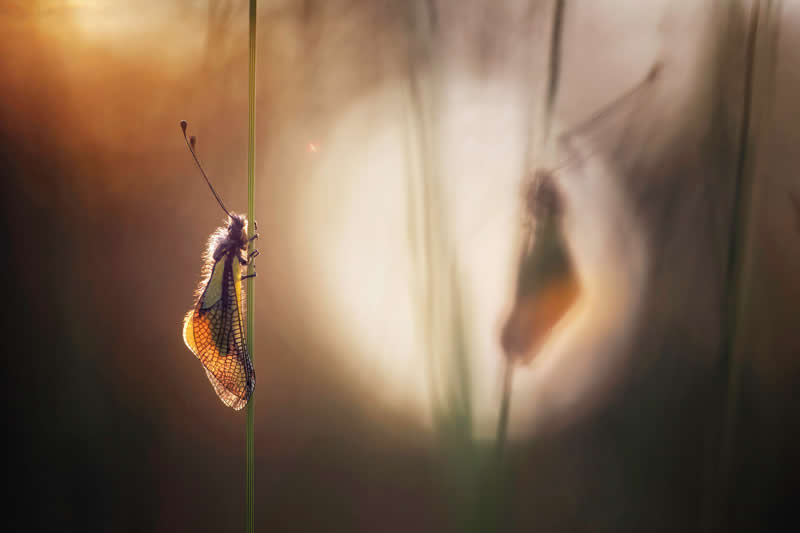
A delicate insect clings to a slender stem, glowing softly in warm backlight, with a dreamy shadow forming behind. Photo by: Nicolas Reytet
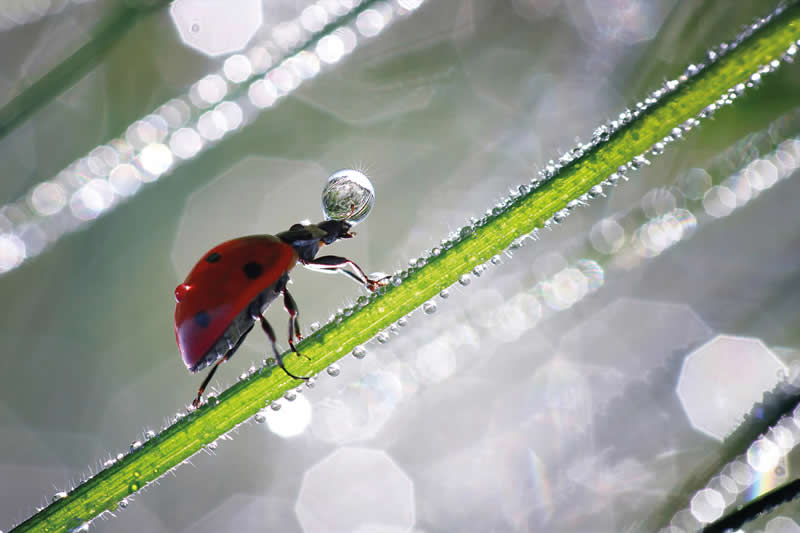
A vibrant ladybug climbs a dew-covered blade, balancing a sparkling droplet, surrounded by glowing bokeh and shimmering morning light. Photo by: Nicolas Reytet
Why Your Backyard Is a Hidden Macro Paradise
You don’t need exotic locations or rare wildlife to capture stunning macro shots. In fact, some of the most compelling subjects are right outside your door.
Here’s why:
1. Constantly Changing Subjects
Spring brings new life every day buds turning into flowers, insects appearing, and textures evolving. Your backyard offers endless variety without repetition.
2. Easy Access = More Practice
Unlike planned trips, your backyard lets you shoot anytime, morning dew, midday light, or golden hour.
Pro Tip: Consistency improves macro skills faster than occasional shoots. Even 15 minutes daily can make a big difference.
3. Less Pressure, More Creativity
No crowds. No travel stress. Just you and your subject. This relaxed environment helps you experiment with angles, lighting, and composition.
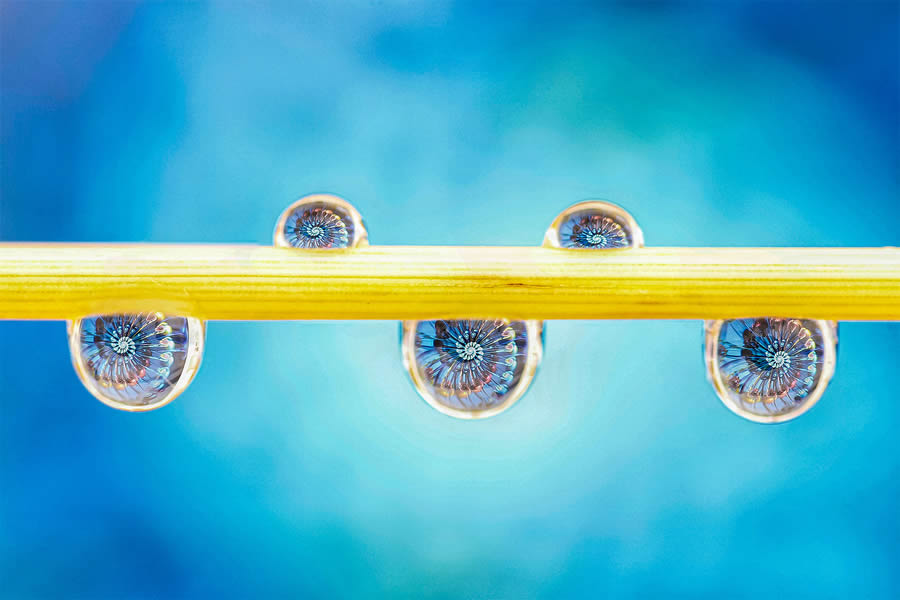
Perfect droplets line a slender stem, each reflecting intricate floral patterns, creating a mesmerizing macro scene with vibrant blue background tones. Photo by: António Pereira
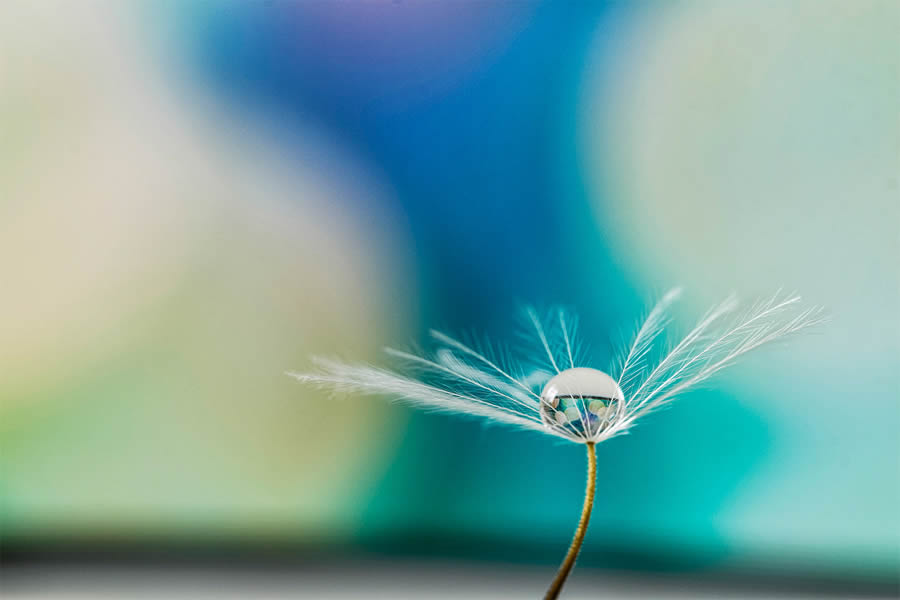
A single droplet rests on delicate dandelion strands, reflecting light beautifully, creating a minimal, dreamy macro composition with soft colorful background. Photo by: António Pereira
What to Shoot: Macro Subjects You’re Overlooking
Your backyard is filled with subjects that are perfect for macro photography; you just need to slow down and look closely.
If you need inspiration, explore examples of macro photography of flowers and insects to see how everyday subjects can turn into stunning visuals.
- Flowers and Petals: Tulips, daisies, roses, and wildflowers offer intricate textures, patterns, and colors.
- Insects and Pollinators: Bees, ants, butterflies, and ladybugs create dynamic, storytelling shots.
- Water Details: Morning dew, raindrops, or even a freshly watered plant can create stunning reflections.
- Everyday Textures: Tree bark, leaves, soil, and even garden tools can become interesting macro compositions.
Look for contrast, smooth vs. rough, light vs. shadow, to make your images stand out.
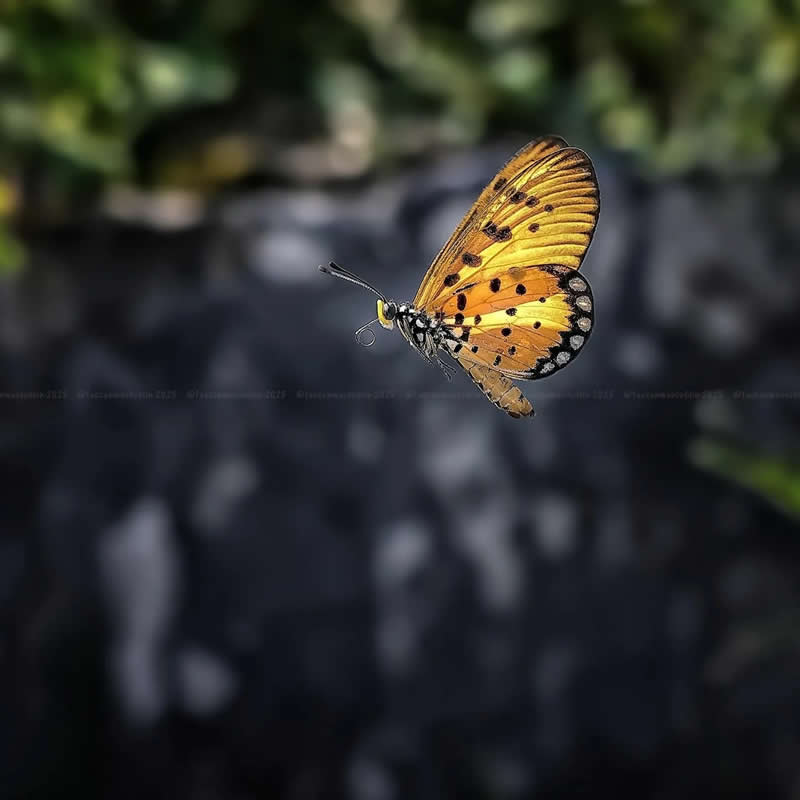
A golden butterfly hovers mid-air, wings glowing in sunlight, sharply detailed against a dark blurred background with soft natural textures. Photo by: Fauzan Maududdin
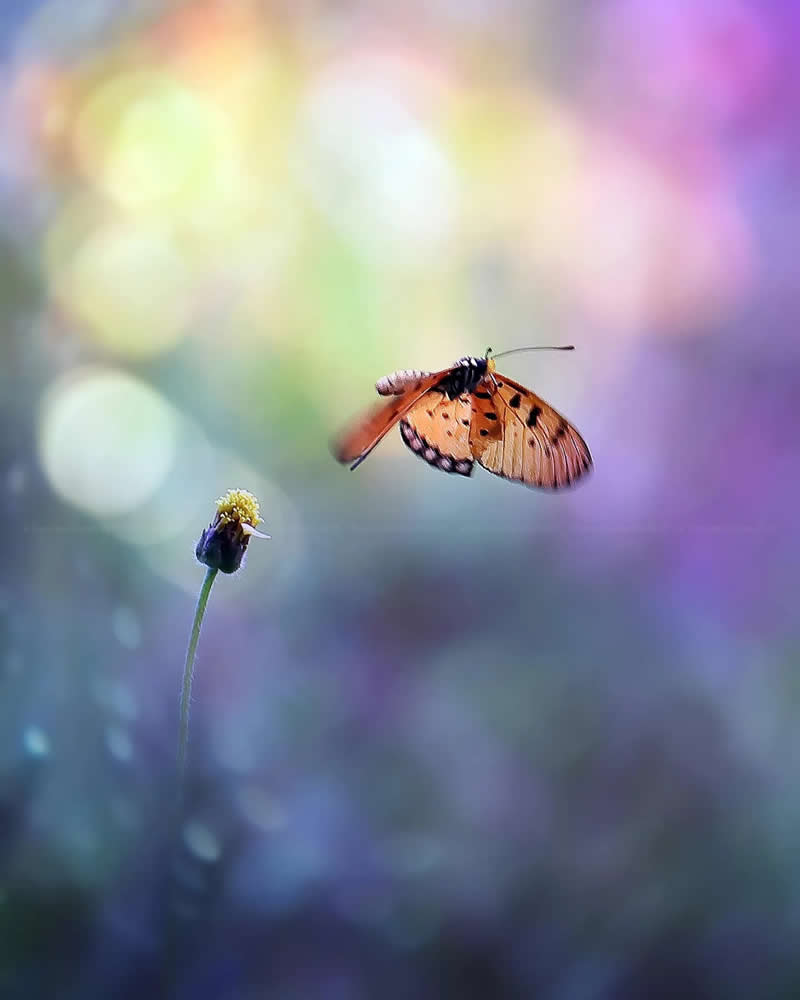
A delicate butterfly hovers near a tiny flower, surrounded by dreamy pastel bokeh, creating a soft, magical and ethereal atmosphere. Photo by: Fauzan Maududdin
The Best Time to Shoot in Your Backyard
Timing can completely change your results.
Early Morning (Golden Window for Macro)
This is the best time for macro photography:
- Dew adds sparkle and depth
- Insects are slower and easier to capture
- Soft light reduces harsh shadows
Late Afternoon:
Warm tones create a natural glow, especially on flowers and leaves.
After Rain:
Water droplets and fresh textures create dramatic visuals.
Overcast days are perfect for macro; they act like a natural softbox.
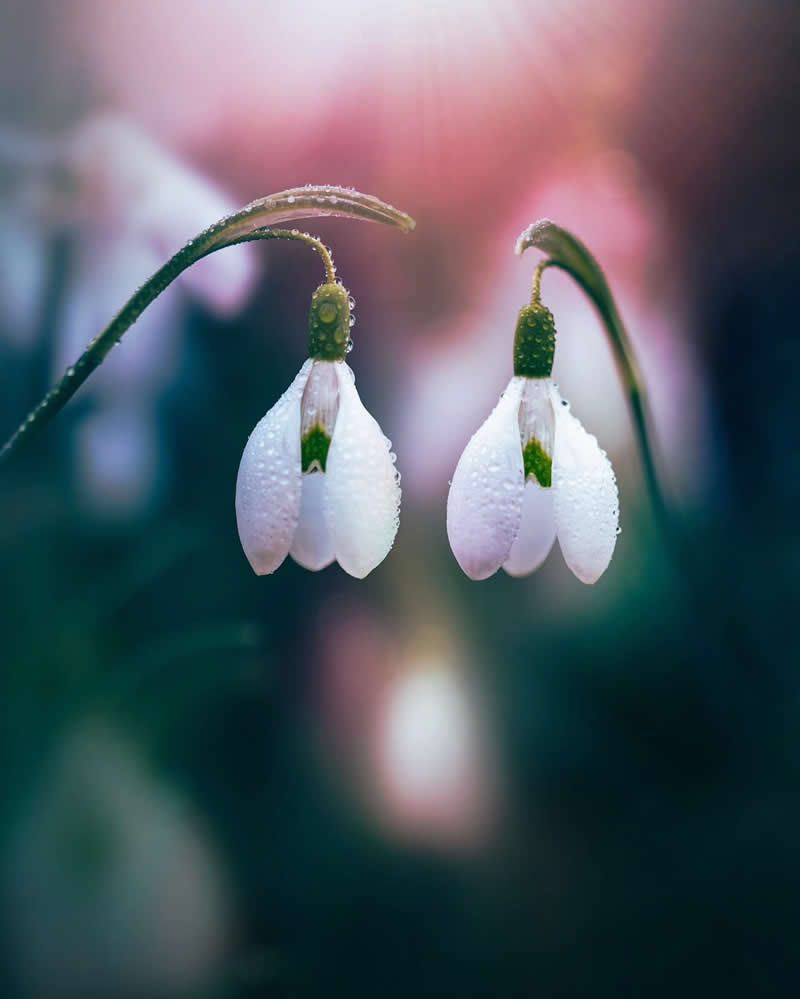
Two delicate snowdrop flowers hang gracefully, covered in dewdrops, glowing softly against a dreamy blurred background of gentle pastel colors. Photo by: Kristine
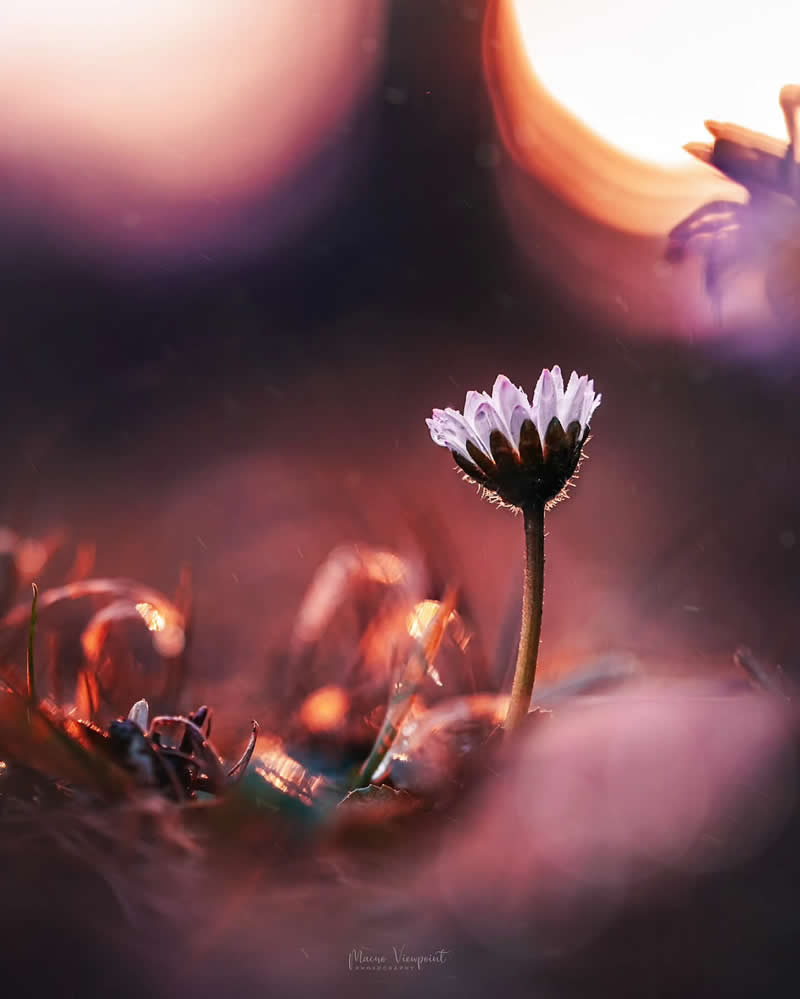
A tiny flower stands glowing in warm light, surrounded by dreamy bokeh, creating a magical and intimate macro nature scene. Photo by: Kristine
Simple Gear You Can Use (Even as a Beginner)
You don’t need expensive equipment to get started.
In fact, the growing interest in close-up photography is reflected in the market itself.
The global macro lens market was valued at around $527.3 million in 2025 and is expected to grow at a 6.5% CAGR, reaching nearly $3.5 billion by 2033, driven by demand in areas like scientific imaging, e-commerce, and mirrorless cameras.
Smartphone with Macro Mode: Modern phones can capture impressive close-ups with built-in macro features.
Entry-Level Macro Lens: If you use a DSLR or mirrorless camera, a basic macro lens can significantly improve detail and sharpness.
DIY Options
- Use a magnifying glass
- Try extension tubes
- Reverse a lens for extreme close-ups
Stability matters more than gear. Use a tripod or steady surface whenever possible.
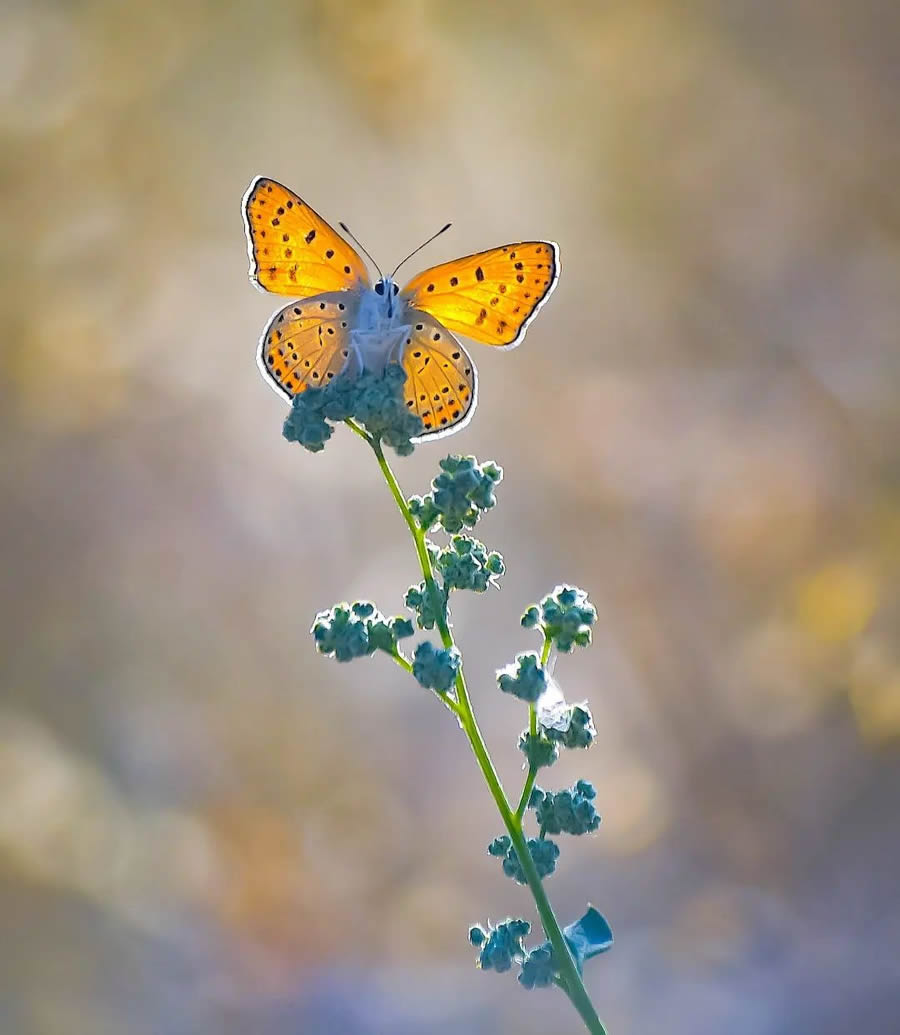
A glowing orange butterfly rests delicately on a slender plant, its wings illuminated by soft light against a dreamy background. Photo by: Soykan Said
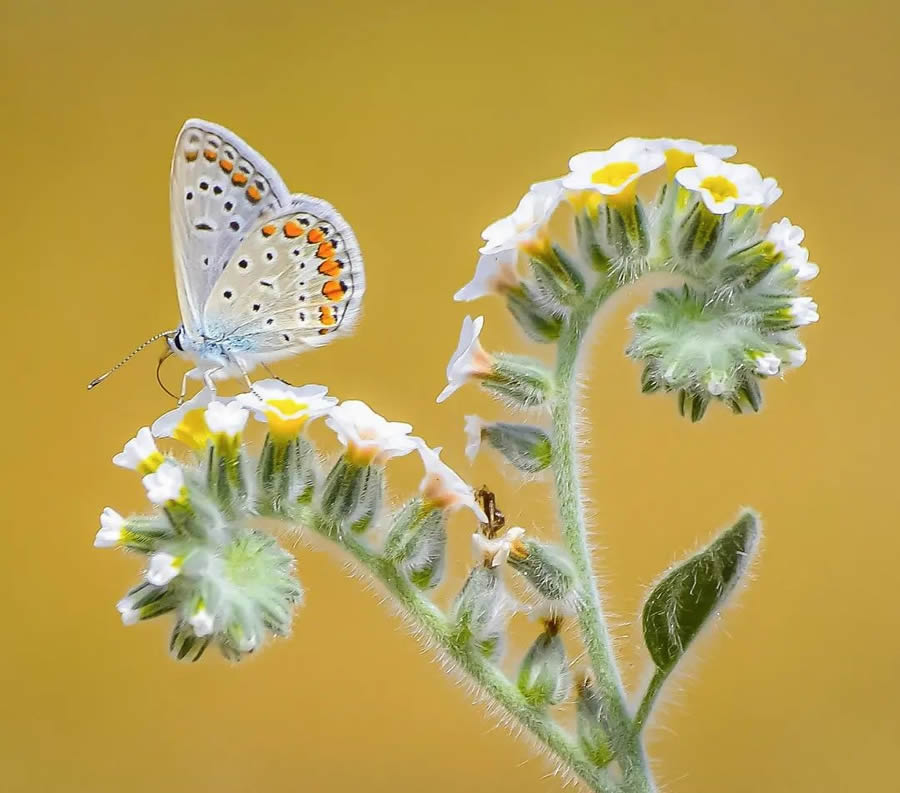
A delicate butterfly rests on tiny white flowers, its soft wings detailed beautifully against a warm, clean yellow background. Photo by: Soykan Said
Composition Tips That Make a Big Difference
Macro photography is all about detail, but composition still matters.
Focus on One Subject
Avoid clutter. A single subject creates a stronger visual impact. When you isolate one element, the viewer’s attention stays exactly where you want it, making even simple subjects look striking and intentional.
Use Depth of Field Creatively
Blur the background to isolate your subject and create a professional look. A shallow depth of field also helps hide distractions and adds a soft, dreamy feel that enhances textures and colors.
Change Your Perspective
Shoot from different angles, top-down, side, or ground level, to discover unique frames. Even a slight shift in angle can reveal patterns, shadows, or details that are completely invisible from eye level.
Play with Light
Backlighting can highlight textures and create a soft glow. You can also experiment with side lighting to bring out depth and fine details, especially in leaves, petals, and insects.
Move your feet, not just your lens. Small shifts can completely change your composition.
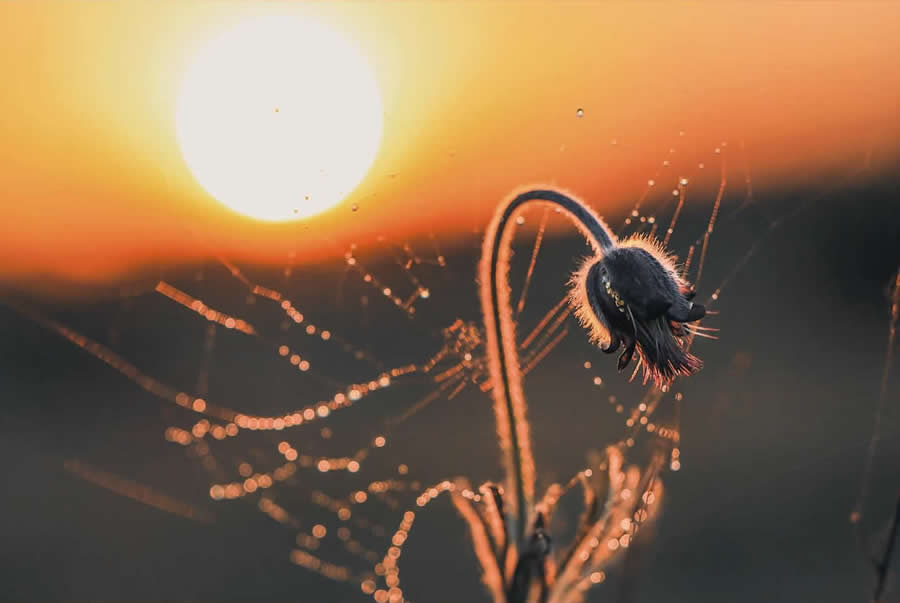
A tiny flower glows in golden sunset light, surrounded by sparkling spider webs, creating a warm, dreamy and magical macro atmosphere. Photo by: Maryna Sydorenko
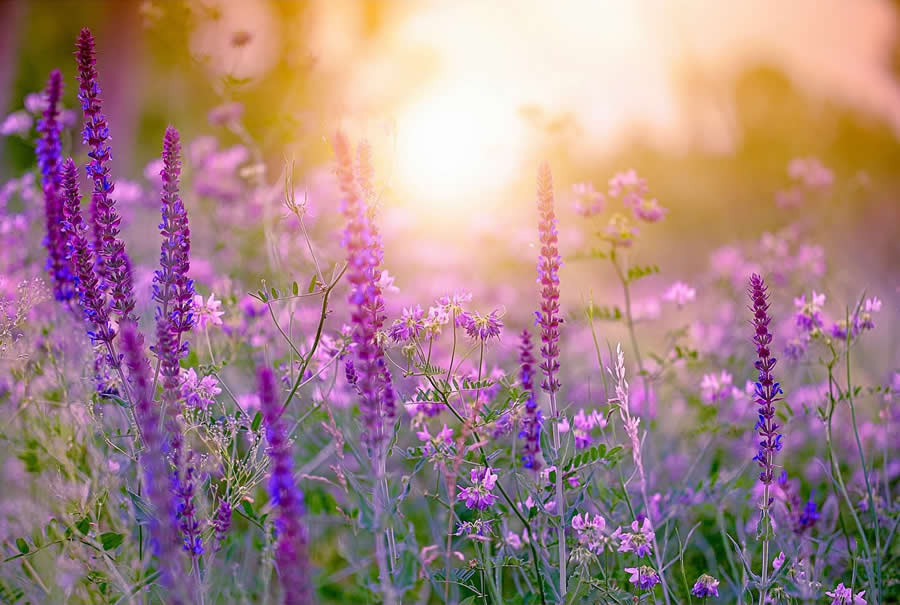
A vibrant field of purple wildflowers glows in warm sunlight, creating a soft, dreamy scene filled with color and natural beauty. Photo by: Maryna Sydorenko
Turning Everyday Scenes into Storytelling Shots
Macro photography isn’t just about detail; it’s about storytelling. Looking at award-winning macro photography examples can help you understand how small moments are turned into powerful visual stories.
Instead of just photographing a bee, capture:
- A bee collecting pollen
- An ant carrying food
- A droplet reflecting a flower
These moments create emotion and narrative, making your photos more engaging.
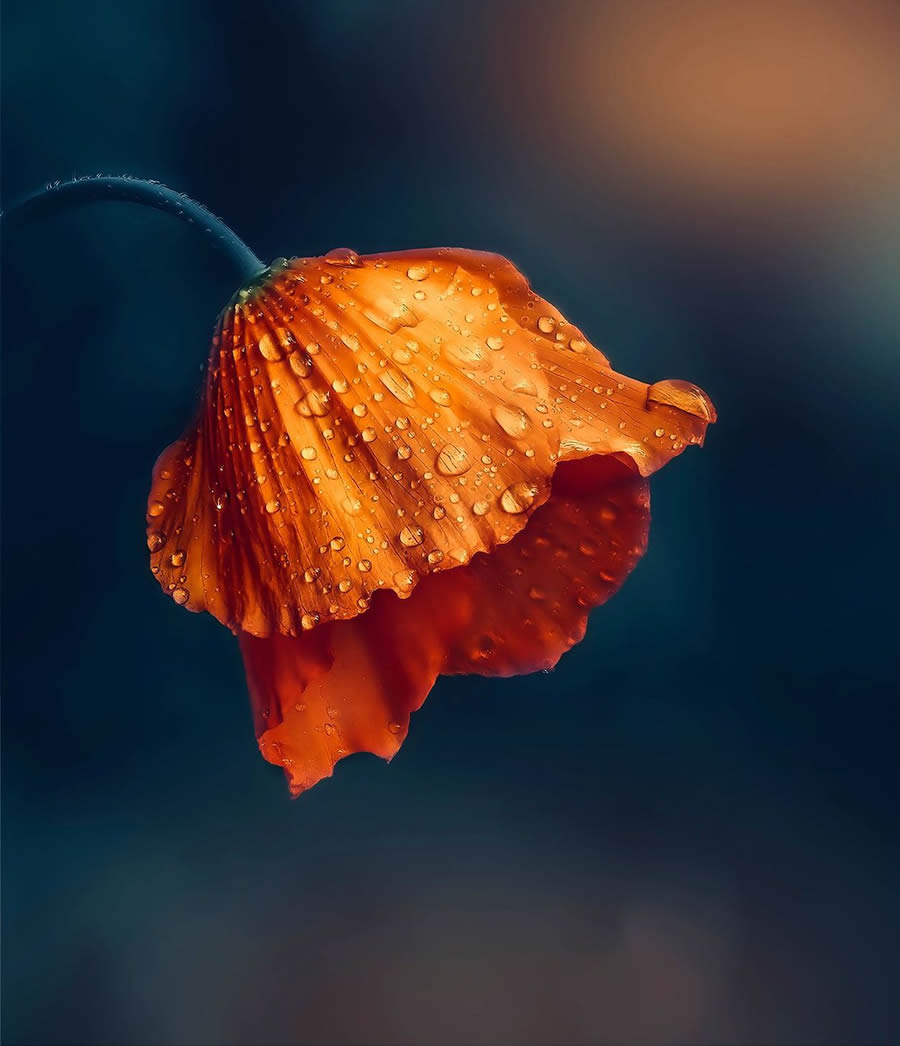
A delicate orange flower droops gracefully, covered in glistening water droplets, glowing softly against a dreamy, blurred background. Photo by: Gail
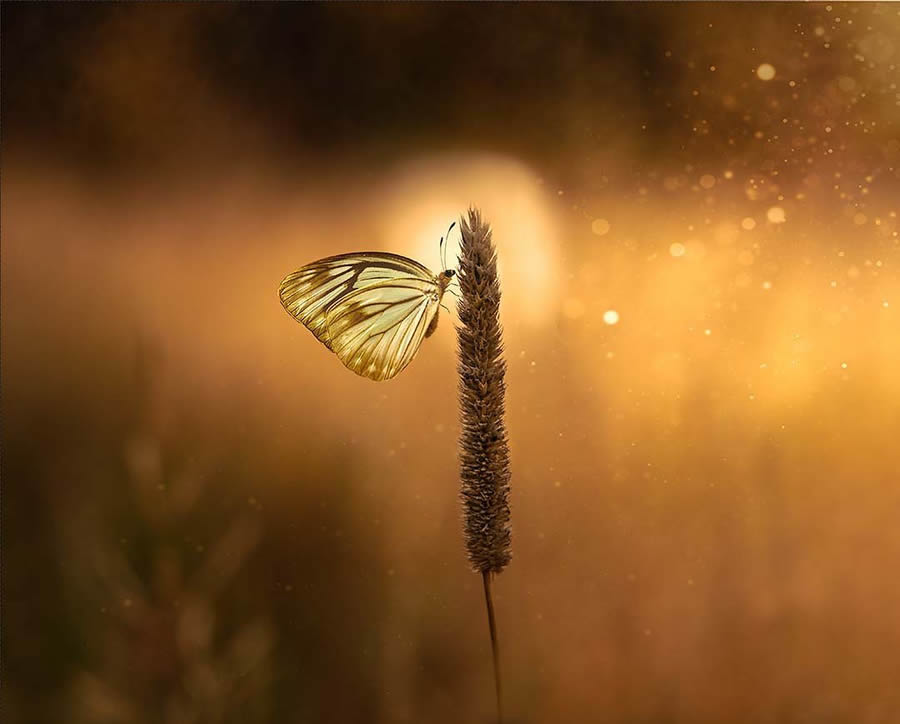
A delicate butterfly rests on a slender grass stem, glowing in warm golden light with dreamy bokeh particles floating around. Photo by: Gail
Why This Matters Right Now
With spring in full swing, millions of people are:
- Spending more time outdoors
- Looking for creative hobbies
- Searching for easy photography ideas
This makes backyard macro photography highly relevant and shareable.
Content like this performs well because it:
- Solves a seasonal need
- Requires no travel
- Feels accessible to beginners
- Offers quick, rewarding results
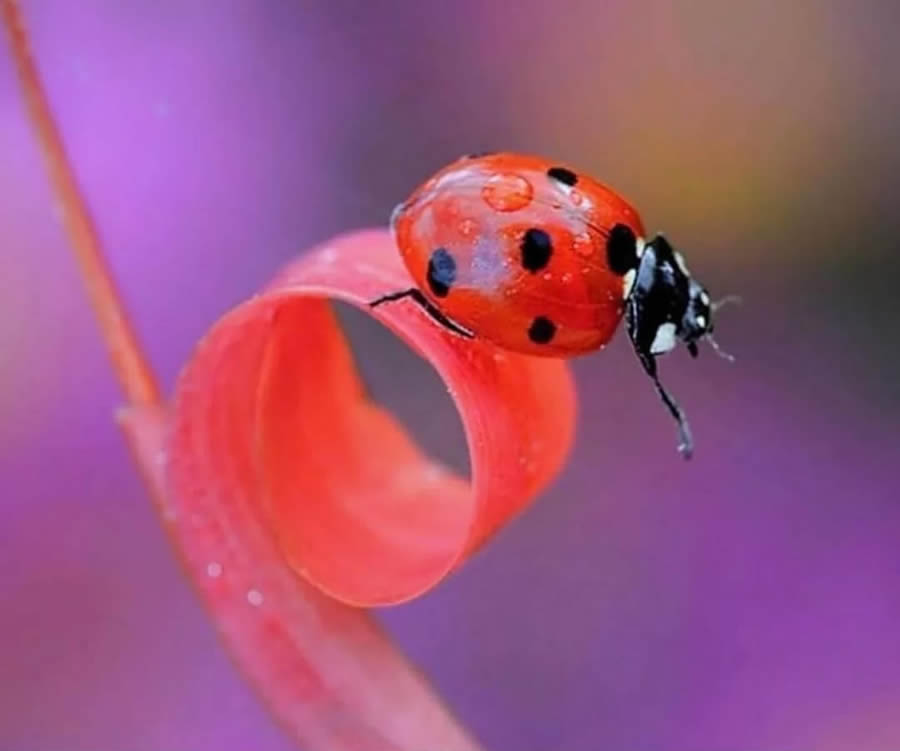
A vibrant red ladybug balances on a curled leaf, its glossy shell sparkling against a dreamy, colorful blurred background. Photo by: Yasin Mortaş
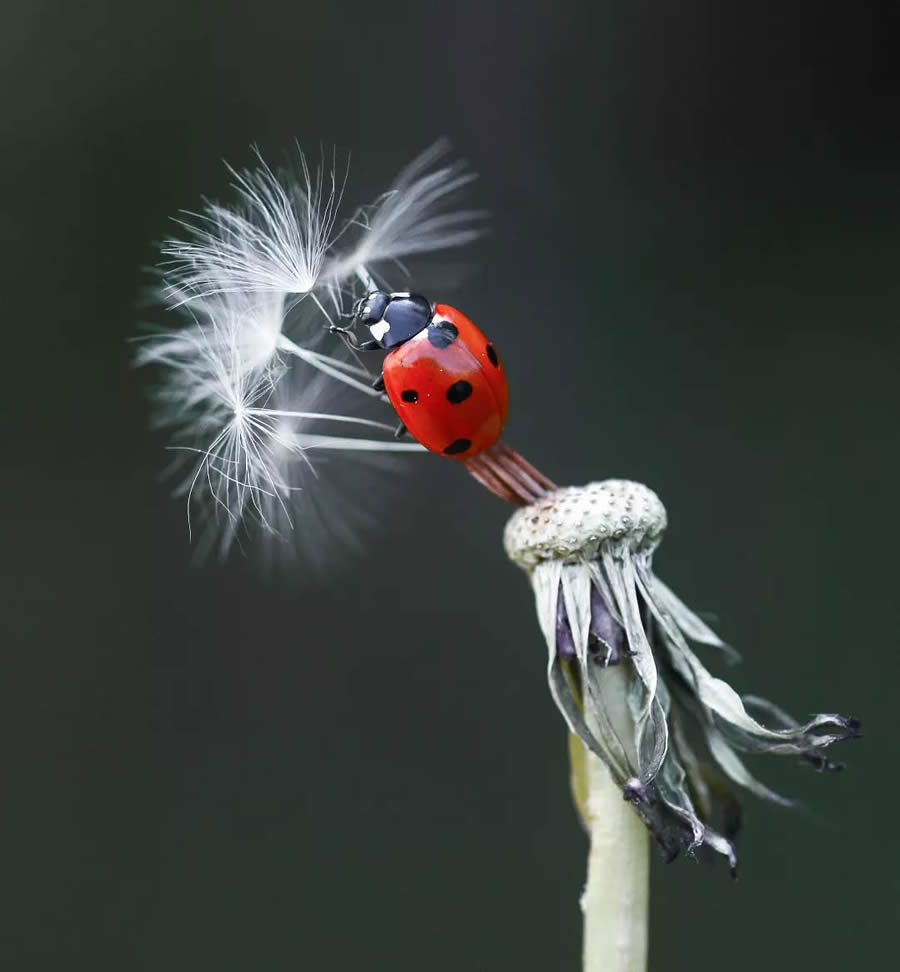
A tiny ladybug clings to delicate dandelion seeds, creating a magical moment against a soft, dark, and dreamy background. Photo by: Yasin Mortaş
Final Thoughts
You don’t need mountains, forests, or expensive trips to create stunning images.
Your backyard, no matter how small, is filled with life, detail, and endless creative potential.
All it takes is curiosity, patience, and a closer look.
Start today. Step outside, pick one subject, and shoot it from five different angles. You’ll be surprised at what you discover.
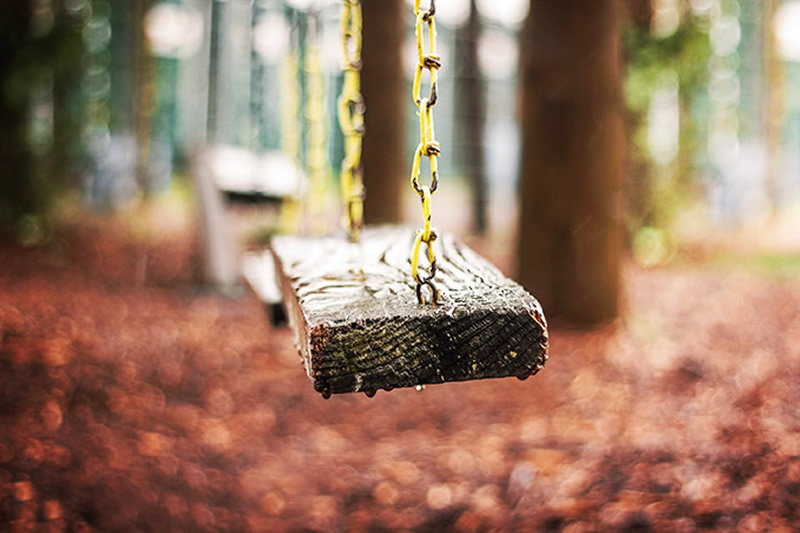
A weathered wooden swing hangs quietly, raindrops falling softly around it, surrounded by blurred autumn leaves and a peaceful atmosphere. Photo by: Gabriela Tulian
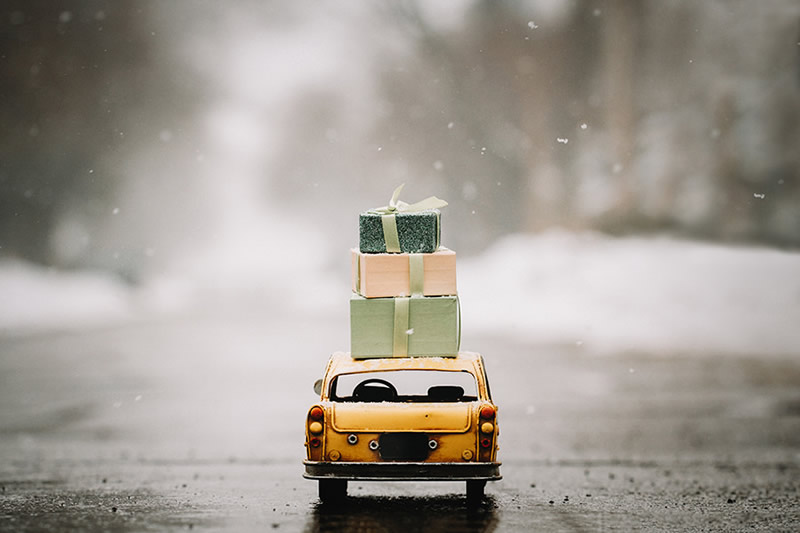
A tiny vintage car carries stacked gift boxes through a snowy road, creating a charming, festive, and whimsical holiday scene. Photo by: Gabriela Tulian
FAQs
1. What is macro photography, and how is it different from close-up photography?
Macro photography captures subjects at a true 1:1 magnification ratio or higher, which means the subject appears life-size or larger on the camera sensor. In comparison, close-up photography may zoom in on subjects but doesn’t always reveal the same level of fine detail, making macro photography more precise and detail-focused.
2. Can I do macro photography in my backyard?
Yes, your backyard can be an excellent place for macro photography because it naturally contains a variety of small subjects like insects, flowers, and textures. With a bit of patience and observation, you can find unique scenes every day without needing to travel far.
3. What is the best time of day for backyard macro photography?
Early morning is considered the best time because the light is soft, shadows are minimal, and dew adds extra visual interest to your shots. In addition, insects tend to move more slowly in cooler temperatures, making it easier to capture sharp and detailed images.
4. Do I need a macro lens to shoot macro photography?
You don’t necessarily need a macro lens to get started, as many smartphones and basic camera setups can capture decent close-up shots. However, using a dedicated macro lens or tools like extension tubes can significantly improve sharpness, magnification, and overall image quality.
5. What are the easiest macro subjects for beginners?
Beginners can start with simple and easily accessible subjects like flowers, leaves, dew drops, and slow-moving insects such as ants or ladybugs. These subjects are easier to control and allow you to practice focus, lighting, and composition without too much difficulty.